Engine oil additives are chemical compounds blended into motor oil to enhance performance, protect engine components, and extend oil life. Understanding what these additives do and whether they deliver real benefits is essential for informed vehicle maintenance decisions.
This guide explores the science behind engine oil additives, how they function, and what the automotive industry standards tell us about their effectiveness.
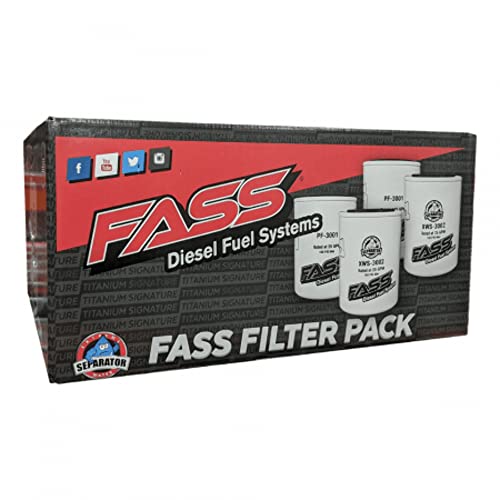
FASS Titanium Signature Series Fuel Filter Set (XWS-3002 / PF-3001)
What Are Engine Oil Additives and Why They Matter
Engine oil additives are not optional extras; they are integral components of modern motor oils. According to the American Petroleum Institute (API), additives typically comprise 10 to 15 percent of a finished motor oil formulation. The base oil alone cannot meet today’s engine protection standards without these chemical compounds.
Additives serve multiple critical functions:
- Reduce friction and wear between moving parts
- Prevent sludge and varnish buildup
- Protect against rust and corrosion
- Improve oil flow in cold temperatures
- Maintain viscosity stability across temperature ranges
- Neutralize acids produced during combustion
The Society of Automotive Engineers (SAE) and API establish rigorous testing protocols that all engine oils must pass before reaching the market. These standards directly measure additive performance through standardized engine tests.
How Detergent and Dispersant Additives Work
Detergent additives are among the most important compounds in modern engine oil. They work by suspending contaminants and combustion byproducts that would otherwise accumulate on engine surfaces, forming harmful deposits.
Dispersants function through molecular chemistry: they surround particles of sludge and carbon buildup, keeping them suspended throughout the oil rather than allowing them to settle on pistons, valves, and cylinder walls. This suspension mechanism prevents the formation of varnish and lacquer deposits that can reduce engine efficiency and increase wear.
The National Highway Traffic Safety Administration (NHTSA) has documented that proper detergent additives can extend engine life by preventing deposit-related damage. Without these additives, engines accumulate sludge that restricts oil flow and increases friction, leading to accelerated wear and potential engine failure.
Real-world effectiveness is measured through standardized tests like the Sequence IVA test, which simulates 100 hours of engine operation under controlled conditions and measures deposit formation on critical engine components.
Viscosity Modifiers and Temperature Performance
Viscosity modifier additives allow a single oil grade to perform effectively across a wide temperature range. Without these additives, oil would be too thick in cold weather and too thin in hot conditions, compromising protection in both scenarios.
These polymeric compounds expand when heated and contract when cooled, maintaining consistent oil thickness. This technology enables oils like 5W-30 to flow quickly during winter cold starts while maintaining adequate film strength at highway temperatures.
The SAE viscosity grading system (0W, 5W, 10W, etc.) directly reflects how well an oil performs in cold conditions. The ‘W’ designation indicates winter performance. An oil that achieves a lower ‘W’ rating typically contains more advanced viscosity modifiers, which improve cold-start engine cranking and reduce wear during critical startup moments.
Modern viscosity modifier technology has advanced significantly, with synthetic base oils and advanced polymer packages enabling wider performance windows. This means newer oils can protect engines better across temperature extremes than older formulations.
Anti-Wear and Antioxidant Additives: Long-Term Protection
Anti-wear additives, particularly zinc dialkyldithiophosphate (ZDDP), form protective films on metal surfaces before they make contact. This boundary lubrication layer prevents metal-to-metal contact that would cause accelerated wear and potential engine damage.
Antioxidant additives prevent the oil itself from breaking down. During combustion, heat and oxygen cause oil molecules to degrade, forming varnish and increasing viscosity. Antioxidants neutralize free radicals that trigger this degradation, extending the useful life of the oil.
The American Petroleum Institute’s engine tests, particularly the Sequence VID test, measure how well antioxidant packages protect against oil oxidation and deposit formation. Oils that pass these tests with higher margins provide extended drain intervals, reducing maintenance frequency and cost.
The effectiveness of these additives directly correlates to oil drain intervals. Premium synthetic oils with advanced anti-wear and antioxidant packages can safely extend to 10,000 miles or more between changes, while conventional oils with basic additive packages typically require 5,000-mile intervals.
Aftermarket Additives: Do They Improve Factory Formulations
Many vehicle owners consider adding aftermarket oil additives to their existing engine oil. Understanding the science behind these products requires examining what modern factory oils already contain.
Factory engine oils sold at automotive retailers already meet or exceed API performance standards, which means they contain optimal additive packages for their intended use. These oils are formulated with precise additive chemistry balanced through extensive testing.
Adding aftermarket additives to an already-complete oil formulation can create several issues:
- Additive concentration may exceed manufacturer specifications, potentially causing deposits
- Chemical interactions between different additive packages may reduce effectiveness
- Viscosity may be altered unexpectedly
- Warranty coverage may be voided if non-approved products are added
The API and vehicle manufacturers recommend using oils that meet specified performance standards rather than modifying oils post-purchase. If an engine has specific concerns (such as high mileage or heavy towing), selecting an oil formulated for those conditions is more effective than adding aftermarket treatments.
However, certain specialty products like engine flushes or fuel system cleaners address different systems and function separately from engine oil additives.
Synthetic vs. Conventional: Additive Package Differences
Synthetic and conventional engine oils differ significantly in their additive package design and effectiveness. Synthetic base oils have more consistent molecular structures, allowing for more stable and effective additive packages.
Synthetic oils typically contain:
- More advanced viscosity modifiers with wider performance windows
- Superior antioxidant packages enabling longer drain intervals
- Enhanced anti-wear protection with better film strength
- Better low-temperature flow characteristics
Conventional oils provide adequate protection for normal driving conditions but with narrower performance windows and shorter drain intervals. The additives in conventional oils work effectively, but the base oil degrades faster under heat and oxidation stress.
The choice between synthetic and conventional should align with manufacturer recommendations found in your owner’s manual. Premium synthetic oils justify their higher cost through extended drain intervals and superior protection under extreme conditions like towing, high-performance driving, or severe climates.
The Society of Automotive Engineers’ testing protocols measure both oil types against the same performance standards, but synthetic formulations typically exceed minimum requirements by larger margins.
Evaluating Oil Additives Through Standards and Testing
Understanding how to evaluate whether oil additives actually work requires familiarity with industry testing standards. These standardized tests provide objective data rather than marketing claims.
Key testing protocols include:
- API Sequence Tests (IVA, VID, VIF): Measure deposit control, oxidation resistance, and fuel economy impact under simulated engine operation
- SAE J2272: Tests viscosity retention and shear stability, directly measuring how well viscosity modifiers maintain oil thickness
- ASTM D6304: Evaluates oxidation stability at elevated temperatures
- ASTM D4172: Measures anti-wear protection through wear scar testing
Oils bearing the API Starburst certification have passed comprehensive testing demonstrating that their additive packages deliver measurable protection. This certification is the most reliable indicator of additive effectiveness available to consumers.
When selecting an engine oil, checking the API service level and reading the owner’s manual recommendations provides more reliable guidance than relying on aftermarket additive claims. The manufacturer specifies the exact additive package your engine requires based on its design and intended use.
Frequently Asked Questions
Do I need to add aftermarket oil additives if I use factory engine oil?
No. Factory engine oils sold at retailers already contain optimized additive packages that meet or exceed API standards. Adding aftermarket additives can disrupt the chemical balance and potentially cause issues. If you need better protection, switch to an oil formulated for your specific driving conditions rather than modifying existing oil.
How do I know if an engine oil's additives are actually working?
Look for the API Starburst certification on the oil bottle, which indicates the oil has passed standardized engine tests measuring additive performance. Check your owner’s manual for the recommended oil grade and specification. Monitor your oil condition through regular checks, and follow the manufacturer’s recommended drain intervals. These practices ensure additives are functioning as designed.
Can expired or old engine oil lose its additive effectiveness?
Yes. Engine oil additives degrade over time, especially when exposed to heat, air, and moisture. Stored oil can lose effectiveness within 2-3 years, and oil in your engine degrades continuously during use. Following manufacturer drain intervals ensures additives maintain effectiveness. Using oil older than the recommended drain interval means additives are no longer providing optimal protection.
Are synthetic oils worth the extra cost because of better additives?
Synthetic oils justify their higher cost through extended drain intervals (often 10,000 miles vs. 5,000 miles) and superior protection under extreme conditions. The additive packages in synthetic oils are indeed more advanced, but the cost difference is often recovered through fewer oil changes. For normal driving, quality conventional oil meeting API standards is adequate.
What happens if I use the wrong oil grade for my engine?
Using the wrong oil grade can compromise additive effectiveness. Viscosity modifiers are calibrated for specific oil grades. Using oil too thick restricts flow and reduces protection; too thin oil fails to maintain proper film strength. Always follow your owner’s manual specifications. Using the wrong grade may also void your warranty and increase engine wear.
The Bottom Line
Engine oil additives are not marketing gimmicks; they are scientifically formulated compounds that deliver measurable protection. Modern engines depend on properly balanced additive packages to meet performance standards and longevity expectations.
The most effective approach to engine oil additives is straightforward: select an oil meeting your manufacturer’s specifications and API service level, maintain the recommended drain intervals, and avoid adding aftermarket products to factory formulations. The automotive industry’s rigorous testing standards ensure that compliant oils deliver real additive benefits without guesswork.
By understanding how detergents, viscosity modifiers, anti-wear agents, and antioxidants function, you can make informed decisions about your vehicle’s maintenance rather than relying on aftermarket claims or outdated practices. Trust the standards, follow manufacturer recommendations, and your engine’s additive protection will perform as designed.
