





Brakes Buying Guide
Your brakes are your vehicle's most critical safety system, and choosing the right replacement pads, rotors, or complete brake kits directly impacts how well you can stop in emergency situations. Whether you drive a daily commuter, a truck, or a performance car, understanding brake components helps you make informed decisions that protect you, your passengers, and others on the road.
What to look for
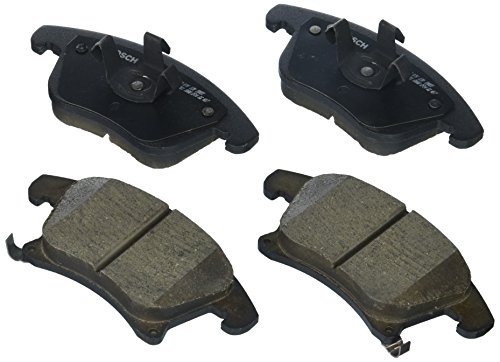
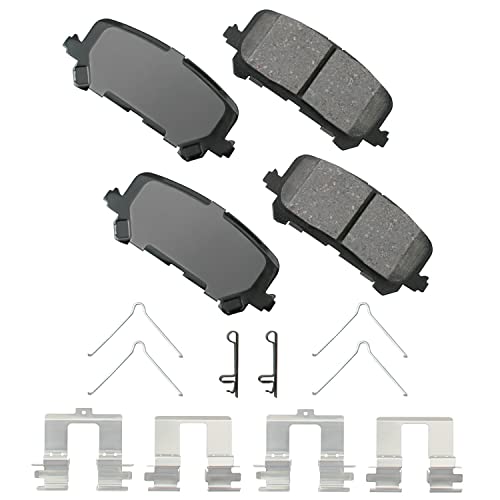
- Brake pad material: Choose between organic, semi-metallic, and ceramic compounds based on your driving style, climate, and budget. Ceramic pads offer quieter operation and less dust, while semi-metallic options provide better heat dissipation for towing or mountain driving.
- Rotor quality and design: Quality rotors prevent warping and pulsation. Look for OEM-equivalent or premium aftermarket options with proper thickness and venting patterns for your vehicle's weight and intended use.
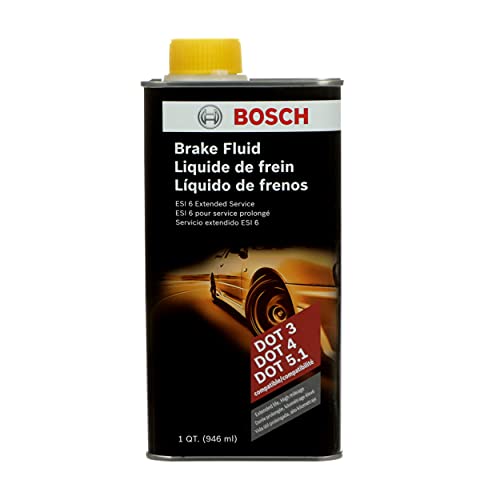
- Brake fluid compatibility: Ensure any brake system upgrades use DOT 3, DOT 4, or DOT 5.1 fluid appropriate for your vehicle. Incompatible fluids can damage seals and reduce braking effectiveness.
- Vehicle-specific fitment: Brake components vary significantly by make, model, and year. Always verify that pads, rotors, and calipers are engineered for your exact vehicle to ensure proper clearance and performance.
Safety and fit notes
All brake products sold in the US must meet FMVSS 135 standards for stopping distance and fade resistance. When replacing brakes, always replace pads and rotors as matched sets to maintain balanced stopping power and prevent uneven wear.Professional installation is recommended for brake work, especially if you're unfamiliar with your vehicle's brake system. Improper installation can compromise safety and lead to costly damage.Keeping your brakes in top condition works hand-in-hand with other vehicle maintenance. Explore our Tires and Performance sections to ensure your entire stopping and handling system works together seamlessly.