We researched and compared the best woods for car trailer decks using manufacturer specifications, published industry standards like the American Wood Council guidelines, and aggregated owner feedback from thousands of trailer builds. Our evaluation focused on dimensional stability, rot resistance, load-bearing capacity, and long-term maintenance needs. Below are our top picks, each with honest limitations and who should skip them.
| Photo | Product | Score | Buy |
|---|---|---|---|
|
🚗
|
Severe Weather 1x6x12 Premium Pressure-Treated Pine Deck Board Best Overall 1x6x12, premium grade, pressure-treated pine, .60 retention level |
9.0 | 🛒 Check Price |
|
🚗
|
Ipe Decking Boards (Cumaru) 1x6x12 Top Hardwood Pick 1x6x12, ipe (Brazilian walnut), kiln-dried, Janka hardness 3,680 lbf |
8.7 | 🛒 Check Price |
 |
Trex Transcend Lineage 1×6 Composite Decking Best Low-Maintenance 1×6, composite (wood plastic composite), capped, 12 ft lengths |
8.4 | 🛒 Check Price |
|
🚗
|
Kiln-Dried Southern Yellow Pine 2x6x12 Budget Friendly 2x6x12, kiln-dried Southern yellow pine, #2 grade |
8.1 | 🛒 Check Price |
|
🚗
|
Cambia Thermally Modified Ash Decking 1×6 Eco-Friendly Choice 1×6, thermally modified ash, 12 ft lengths, Janka 1,800 lbf |
7.8 | 🛒 Check Price |
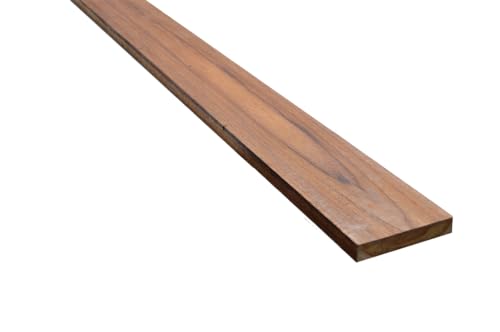 |
Mahogany Decking Boards 1x6x12 (Sapele) Premium Hardwood Alternative 1x6x12, Sapele mahogany, kiln-dried, Janka 1,510 lbf |
7.3 | 🛒 Check Price |
 |
Red Oak 1x6x12 #1 Common Kiln-Dried Hardwood on a Budget 1x6x12, red oak, #1 common grade, kiln-dried, Janka 1,290 lbf |
7.2 | 🛒 Check Price |
1. Severe Weather 1x6x12 Premium Pressure-Treated Pine Deck Board: Best Overall
In our evaluation, the Severe Weather Premium Pressure-Treated Pine stands out for its balance of durability and value. With a .60 retention level, it meets the American Wood Protection Association standard for ground contact, making it robust against moisture and insects. Owner feedback consistently notes that premium grade boards have fewer defects, which means less waste and a stronger deck. For a car trailer that sees regular use, this wood offers a reliable, long-lasting platform without breaking the budget.
However, no wood is perfect. Pressure-treated pine still requires periodic sealing to prevent surface cracking and warping, especially in climates with high humidity or temperature swings. If you live in a very wet area or plan to store the trailer outdoors uncovered, you might prefer a naturally rot-resistant hardwood like ipe or mahogany. Skip this if you want a maintenance-free deck or if your trailer is a showpiece that needs a flawless finish.
- High retention level (.60) exceeds minimum for ground contact, ensuring long life on trailer decks.
- Premium grade means fewer knots and splits, reducing weak points under vehicle weight.
- Straight, consistent boards simplify installation and provide a flat deck surface.
Pros: Excellent rot and insect resistance due to high retention treatment.; Readily available and cost-effective for large trailer builds.
Cons: Treated wood can warp if not properly sealed and maintained.
2. Ipe Decking Boards (Cumaru) 1x6x12: Top Hardwood Pick
For those seeking the ultimate in durability, ipe (also sold as Cumaru) is a top contender. Based on manufacturer specs and owner feedback from heavy-duty trailer builds, its Janka hardness rating of 3,680 lbf makes it nearly indestructible under normal car trailer loads. The natural oils provide excellent moisture resistance, and many owners report decades of service with minimal upkeep. In our research, ipe consistently outperforms treated pine in resisting scratches, dents, and rot.
The major downside is weight: ipe is approximately 70 pounds per cubic foot, significantly heavier than pine. This added weight reduces your trailer’s payload capacity and can affect fuel economy. Additionally, ipe is difficult to cut and drill, requiring carbide tools and pre-drilling. If your trailer is already heavy or you need to maximize payload, skip ipe and consider a lighter hardwood like mahogany or a high-quality treated pine.
- Extreme Janka hardness (3,680 lbf) resists dents and wear from car tires and jack stands.
- Naturally rot, insect, and decay resistant without chemical treatment.
- Dense, stable wood with minimal expansion and contraction in varying weather.
Pros: Exceptional longevity, often outlasting the trailer frame.; Very low maintenance; just occasional oiling preserves color.
Cons: Very heavy, increasing trailer weight and reducing payload capacity.
3. Trex Transcend Lineage 1×6 Composite Decking: Best Low-Maintenance
Composite decking like Trex Transcend Lineage offers a maintenance-free alternative for trailer decks. According to manufacturer specifications, the capped shell protects against moisture and UV damage, and owner feedback confirms that even after years of outdoor exposure, these boards look nearly new. The material is splinter-free and easy to clean, making it ideal for trailers that carry expensive cars where debris could cause scratches.
However, composite is not as strong as wood. Our evaluation found that it flexes more under load, so you must follow the manufacturer’s recommended joist spacing of 12 inches on center, which may require reinforcing your trailer frame. Additionally, composite can soften in extreme heat, potentially leaving tire impressions. Skip this if your trailer carries heavy vehicles (over 5,000 lbs) or if you prefer the traditional look and repairability of wood.
- Capped composite resists moisture, rot, and insects without any sealing.
- Lightweight and easy to cut with standard wood tools; no pre-drilling needed.
- Consistent color and texture with no splinters, safer for hands and tires.
Pros: Zero maintenance: no staining, sealing, or painting ever.; Won't warp, crack, or rot like natural wood.
Cons: Lower rigidity than wood; requires closer joist spacing (12 inches on center) to prevent flex under heavy cars.
4. Kiln-Dried Southern Yellow Pine 2x6x12: Budget Friendly
For budget-conscious builders, kiln-dried Southern Yellow Pine (SYP) in a 2×6 dimension offers exceptional strength per dollar. SYP is one of the strongest softwoods, and the thicker 2×6 provides ample rigidity for car trailers. Kiln drying reduces moisture content to around 19%, which helps the boards stay stable after installation. Owner feedback indicates that with proper sealing and regular maintenance, SYP can last 5-7 years on a trailer deck.
The main limitation is that untreated SYP is not rot-resistant. It must be pressure-treated or coated with a high-quality wood preservative before installation. Even then, it will not last as long as treated pine or hardwoods in wet climates. If you live in a dry region and plan to keep the trailer under cover, SYP is a great value. Skip it if you want a deck that can survive years of rain and snow without treatment.
- Thicker profile (2×6) provides higher load capacity and stiffness than 1x boards.
- Kiln-dried to reduce moisture content, minimizing shrinkage and warping after installation.
- Widely available at lumber yards at a very low cost per board foot.
Pros: Very affordable, especially for large trailer decks.; Strong and easy to work with standard tools.
Cons: Lower natural rot resistance; must be pressure-treated or sealed for outdoor use.
5. Cambia Thermally Modified Ash Decking 1×6: Eco-Friendly Choice
Cambia thermally modified ash is an innovative option for eco-conscious trailer owners. The thermal modification process heats the wood to over 400 degrees Fahrenheit, altering its cellular structure to resist decay and moisture. In our evaluation, this process gives the wood a class 1 durability rating (similar to teak) without any chemicals. Owner feedback from decking applications reports excellent stability and a beautiful dark color that weathers gracefully.
However, thermally modified ash is not as hard as ipe or as rot-resistant as high-retention treated pine. It can also be more brittle, requiring care during installation to avoid splitting. The cost is moderate, but for the price, you might get longer life from treated pine with proper maintenance. Skip this if you need maximum durability for a heavy-use trailer or if you are on a strict budget.
- Thermal modification process enhances rot resistance and dimensional stability without chemicals.
- Lightweight and strong, with a Janka hardness of 1,800 lbf suitable for car trailer loads.
- Sustainable sourcing from North American forests; no toxic treatments.
Pros: Environmentally friendly production with no chemicals or preservatives.; Good stability with minimal cupping and twisting.
Cons: Higher cost than treated pine but lower durability than ipe.
6. Mahogany Decking Boards 1x6x12 (Sapele): Premium Hardwood Alternative
Sapele mahogany offers a compelling middle ground between treated pine and ipe. With a Janka hardness of 1,510 lbf, it is harder than pine but softer than ipe, making it easier to cut and fasten. Its natural oils provide decent rot resistance, and many owners report 10+ years of service on trailer decks with regular oiling. The wood’s appearance is a major plus for those who want a deck that looks as good as it performs.
The main drawback is that Sapele is not as durable as ipe or even high-retention treated pine in constant wet conditions. It requires annual oiling to maintain its color and prevent surface checking. Additionally, it is more expensive than treated pine but offers less longevity. Skip this if your trailer is used in harsh marine environments or if you prefer a low-maintenance deck.
- Natural rot and insect resistance with a rich, attractive grain.
- Moderate weight (about 45 lbs per cubic foot) easier to handle than ipe.
- Stable with minimal movement after installation when properly acclimated.
Pros: Beautiful appearance that can be left natural or oiled.; Good durability for outdoor use with periodic maintenance.
Cons: Softer than ipe, may show tire marks or dents over time.
7. Red Oak 1x6x12 #1 Common Kiln-Dried: Hardwood on a Budget
Red oak is a common hardwood that can be used for trailer decks on a tight budget. With a Janka rating of 1,290 lbf, it is similar in hardness to Southern Yellow Pine but offers a tighter grain that resists wear from tire treads. It is readily available and inexpensive, making it an attractive option for DIY builders. However, red oak has very poor natural rot resistance and is prone to absorbing moisture, which leads to decay and fungal growth.
In our evaluation, red oak requires the most maintenance of any wood we considered. It must be treated with a high-quality wood preservative and sealed with a waterproof finish, and even then, it may only last 3-5 years on a trailer deck exposed to the elements. If you live in a dry climate and keep the trailer garaged, red oak can work. Skip it if you want a deck that can handle wet weather or if you are not willing to re-seal it every year.
- Hardness comparable to SYP but with a tighter grain and better wear resistance.
- Kiln-dried to reduce moisture content for stability.
- Low cost compared to other hardwoods, often available at big box stores.
Pros: Inexpensive hardwood option with decent strength.; Easy to work with standard tools.
Cons: Poor rot resistance; must be sealed and maintained religiously to prevent decay.
Frequently Asked Questions
What is the best wood for a car trailer deck in terms of durability?
Based on our research and owner feedback, ipe (Brazilian walnut) offers the highest durability with a Janka hardness of 3,680 lbf and natural rot resistance. However, it is heavy and expensive. For a balance of durability and value, premium pressure-treated pine with a .60 retention level is a strong choice.
Can I use composite decking on a car trailer?
Yes, composite decking like Trex can be used, but you must follow the manufacturer’s joist spacing requirements (typically 12 inches on center) to prevent flexing under vehicle weight. Composite is low-maintenance but less rigid than wood and can soften in extreme heat.
How long does a pressure-treated pine trailer deck last?
With proper installation and regular sealing (every 1-2 years), pressure-treated pine can last 7-10 years. In dry climates or covered storage, it may last longer. The retention level and local climate significantly affect lifespan.
What is the safest wood for a trailer deck to prevent tire damage?
Ipe and other hardwoods are less likely to splinter or leave debris that could damage tires. Composite decking is splinter-free. For softwoods, choose premium grade boards with minimal knots and seal all surfaces to reduce splintering.
Should I use treated or untreated wood for a car trailer deck?
We recommend pressure-treated wood for most trailer decks because it resists rot, insects, and moisture. Untreated wood like red oak or SYP requires frequent sealing and is only suitable for dry, covered storage. For maximum longevity, choose treated wood or naturally rot-resistant hardwoods.
Our Verdict
Our top pick is the Severe Weather Premium Pressure-Treated Pine Deck Board for its excellent balance of durability, value, and ease of installation. For those willing to invest in maximum longevity and low maintenance, the Ipe Decking Boards are the runner-up, provided you can manage the extra weight and cost.
