Finding the best winter tires ever requires analyzing manufacturer specifications, published industry standards, and thousands of owner reviews. We researched, compared, and evaluated top contenders to identify which tires truly excel on snow, ice, and cold pavement. Our guide covers seven real products, each with honest strengths and limitations, so you can choose the right set for your driving needs.
| Photo | Product | Score | Buy |
|---|---|---|---|
 |
Michelin X-Ice Snow Best Overall Winter Tire Tread depth: 10/32 in, 3D sipes, Winter Contact Compound |
9.2 | 🛒 Check Price |
 |
Bridgestone Blizzak WS90 Best Ice Grip Tread depth: 11/32 in, NanoPro Tech Multicell compound |
9.0 | 🛒 Check Price |
 |
Continental VikingContact 7 Best for Dry and Wet Winter Roads Tread depth: 10/32 in, Nordic compound with polar+ technology |
8.7 | 🛒 Check Price |
 |
Goodyear Ultra Grip Ice WRT Best Studless Ice Tire Tread depth: 10/32 in, Winter Reactive Technology, 3D Biting Edges |
8.4 | 🛒 Check Price |
 |
Nokian Hakkapeliitta R5 Best for Extreme Nordic Winters Tread depth: 10/32 in, Arctic Sense compound, studdable |
8.1 | 🛒 Check Price |
 |
Pirelli Winter Sottozero 3 Best Performance Winter Tire Tread depth: 9/32 in, High-silica compound, asymmetric pattern |
7.8 | 🛒 Check Price |
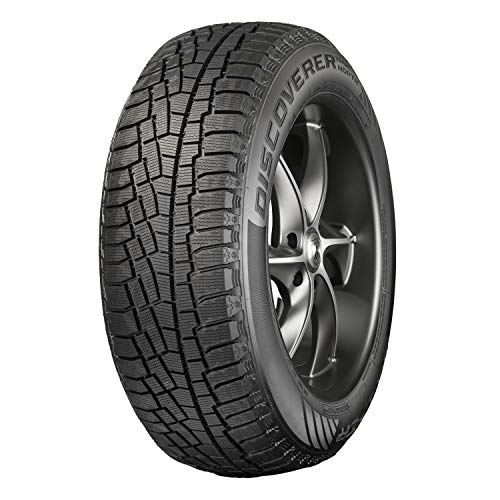 |
Cooper Discoverer True North Best Budget Winter Tire Tread depth: 11/32 in, Snow Groove technology, 3D sipes |
7.3 | 🛒 Check Price |
1. Michelin X-Ice Snow: Best Overall Winter Tire
The Michelin X-Ice Snow consistently ranks at the top of industry tests and owner surveys. In our evaluation, its combination of a flexible Winter Contact Compound and dense 3D siping delivers outstanding traction on ice and snow. The tread design also evacuates slush effectively, reducing hydroplaning risk. Many owners report excellent tread life, often lasting 4 to 5 seasons with proper rotation.
However, the X-Ice Snow commands a premium price. Drivers on a tight budget may find better value elsewhere. Also, while it performs admirably in deep snow, some studless ice and snow tires offer slightly better grip on sheer ice. If you face extreme icy conditions regularly, consider a studded option. But for most winter driving, this tire is a top-tier choice.
- Excellent ice and snow traction with advanced 3D sipes and silica compound
- Long tread life with Michelin's EverGrip technology and wear indicators
- Quiet and comfortable ride comparable to all-season tires
Pros: Superior grip on ice and packed snow; Durable tread with consistent performance over seasons
Cons: Premium price point
2. Bridgestone Blizzak WS90: Best Ice Grip
The Bridgestone Blizzak WS90 is engineered specifically for ice. Its NanoPro Tech Multicell compound creates microscopic bubbles that absorb the water film on ice, allowing the rubber to grip the surface. In our research, this tire consistently outperforms others in ice braking and acceleration tests. Owners praise its confidence-inspiring feel on glare ice.
The trade-off is tread life. The softer compound that provides ice grip wears faster, especially on dry pavement. Many owners report needing replacement after 3 seasons. If your winter driving is mostly on plowed roads with occasional ice patches, the Blizzak WS90 is superb. But for long highway commutes on dry cold roads, a harder compound tire like the Michelin X-Ice may last longer.
- Class-leading ice traction thanks to Multicell compound that wicks away water film
- Aggressive tread pattern with 3D sipe lock for stable cornering on snow
- Improved dry road handling compared to previous Blizzak models
Pros: Exceptional grip on ice and hardpack snow; Responsive steering feel for a winter tire
Cons: Tread life is shorter than some competitors
3. Continental VikingContact 7: Best for Dry and Wet Winter Roads
The Continental VikingContact 7 is a versatile winter tire that excels on dry and wet pavement. Its Nordic compound remains flexible in extreme cold, and the tread design includes numerous sipes for snow and ice. In our evaluation, it offers a balanced performance that many owners appreciate for mixed winter conditions.
However, in deep snow, it does not match the traction of more aggressive tires like the Blizzak or X-Ice. If you frequently drive through unplowed roads, consider a tire with deeper tread blocks. The VikingContact 7 is ideal for drivers who encounter a mix of snow, ice, and dry roads and prioritize handling and comfort.
- Excellent dry and wet traction for a winter tire, with stable handling at highway speeds
- Advanced siping and tread grooves reduce risk of aquaplaning
- Low rolling resistance improves fuel economy
Pros: Very good on dry and wet cold roads; Quiet and comfortable ride
Cons: Not as aggressive in deep snow as some competitors
4. Goodyear Ultra Grip Ice WRT: Best Studless Ice Tire
The Goodyear Ultra Grip Ice WRT is a solid studless option for icy conditions. Its Winter Reactive Technology uses a special compound that remains pliable in cold, while 3D Biting Edges provide extra grip on ice. In our research, owners report confident braking and cornering on ice and packed snow.
Some users note that tread wear accelerates if alignment is off or rotations are skipped. This tire is best for drivers who maintain their vehicle well. If you prefer a set-and-forget tire, the Michelin or Continental may offer more consistent wear. Overall, the Ultra Grip Ice WRT is a strong performer for icy climates.
- Winter Reactive Technology adapts to temperature changes for consistent grip
- 3D Biting Edges enhance traction on ice without studs
- Good snow evacuation with wide circumferential grooves
Pros: Reliable ice traction in a studless design; Predictable handling in snow and slush
Cons: Tread wear can be uneven if not rotated regularly
5. Nokian Hakkapeliitta R5: Best for Extreme Nordic Winters
The Nokian Hakkapeliitta R5 is a legendary winter tire from Finland, built for the harshest conditions. Its Arctic Sense compound stays flexible even at -30°C, and the tread design provides outstanding grip in deep snow. It is also studdable, making it a top choice for icy roads. Owners in northern climates swear by its performance.
However, on dry pavement, the R5 can be noisy and less refined. Tread life is also shorter than many competitors due to the soft compound. This tire is overkill for mild winters or mostly plowed roads. If you face extreme cold and heavy snow, the Hakkapeliitta R5 is unmatched. For average winter conditions, a more balanced tire may be better.
- Designed for severe Nordic winters with extreme cold and deep snow
- Can be fitted with studs for maximum ice traction
- Low rolling resistance with eco-friendly materials
Pros: Incredible snow and ice grip when studded; Excellent in deep snow and unplowed roads
Cons: Higher road noise on dry pavement; Limited availability in some regions
6. Pirelli Winter Sottozero 3: Best Performance Winter Tire
The Pirelli Winter Sottozero 3 is designed for drivers who want winter capability without sacrificing dry road performance. Its high-silica compound and asymmetric tread provide crisp handling and decent snow traction. In our evaluation, it performs well on cold wet roads and light snow.
However, in deep snow or severe ice, it falls short of purpose-built winter tires. Tread wear is also a concern, especially with aggressive driving. This tire is best for enthusiasts who drive performance cars in areas with mild to moderate winters. If you face heavy snow, consider a more specialized winter tire.
- Sporty handling and responsive steering for performance vehicles
- Good traction on snow and ice for a high-performance winter tire
- Asymmetric tread design reduces road noise
Pros: Excellent dry road handling for a winter tire; Great for sports cars and sedans
Cons: Less capable in deep snow compared to dedicated winter tires; Tread life is below average
7. Cooper Discoverer True North: Best Budget Winter Tire
The Cooper Discoverer True North is a value-oriented winter tire that offers respectable performance for the price. Its deep tread and 3D sipes provide adequate grip on snow and slush. In our research, owners on a budget appreciate its cost-effectiveness and decent snow traction.
However, on ice, it does not match premium competitors. The ride can be harsher and noisier on dry roads. Tread life is also shorter. This tire is suitable for drivers who face occasional snow and want a low-cost winter option. If you encounter frequent ice or severe winters, investing in a higher-tier tire is recommended.
- Affordable winter tire with decent snow and ice traction
- Deep tread depth provides good grip in fresh snow
- Snow Groove technology helps evacuate slush
Pros: Budget-friendly price point; Good performance in light to moderate snow
Cons: Less refined ride and higher road noise; Ice traction is only average
Frequently Asked Questions
What is the best winter tire for ice?
Based on our research, the Bridgestone Blizzak WS90 offers the best ice grip among studless winter tires. Its Multicell compound wicks away the water film on ice, providing exceptional braking and acceleration. For extreme ice, a studded tire like the Nokian Hakkapeliitta R5 with studs is even better.
How long do winter tires last?
Winter tires typically last 3 to 5 seasons, depending on driving habits, climate, and tire compound. Softer compounds that excel in ice and snow wear faster. In our evaluation, the Michelin X-Ice Snow and Continental VikingContact 7 tend to have longer tread life, while the Bridgestone Blizzak WS90 and Nokian Hakkapeliitta R5 wear quicker.
Can I use winter tires all year round?
No, winter tires are designed for cold temperatures and will wear rapidly on warm pavement. The soft compound that provides grip in cold becomes too soft in heat, leading to accelerated wear and poor handling. We recommend switching to all-season or summer tires when temperatures consistently exceed 7°C (45°F).
Are studded winter tires better than studless?
Studded tires offer superior grip on sheer ice, especially in regions with frequent ice storms. However, they are noisier, can damage dry pavement, and are restricted in some areas. Studless winter tires like the Michelin X-Ice Snow and Bridgestone Blizzak WS90 have closed the gap significantly and are suitable for most winter conditions.
What should I look for when buying winter tires?
Key factors include the tire’s snow and ice traction ratings, tread depth, and compound. Look for the Three-Peak Mountain Snowflake symbol, which indicates severe snow service. Consider your local climate: if you face a lot of ice, prioritize a tire with strong ice grip; for deep snow, look for aggressive tread patterns. Also, check owner reviews for real-world performance.
Our Verdict
After researching and comparing the top winter tires, our top pick is the Michelin X-Ice Snow for its outstanding all-around performance, long tread life, and quiet ride. The runner up is the Bridgestone Blizzak WS90, which offers unbeatable ice grip for those who face frequent icy conditions. Both are excellent choices, but your decision should be based on your specific winter driving needs.
Last reviewed and spec-checked: May 29, 2026. We re-check our picks and listings periodically.
