Selecting the right window film for your car involves balancing heat rejection, UV protection, glare reduction, and aesthetic preferences with local regulations. In our comprehensive evaluation, we researched numerous automotive window films, comparing manufacturer specifications, material compositions, and aggregated owner feedback to identify the top contenders.
Our goal at MustCarBeast is to provide evidence-based buying guidance, ensuring you choose a product that meets your needs for performance and durability without relying on anecdotal claims. We’ve assessed each film’s capabilities against industry standards for solar energy rejection, UV blocking, and optical clarity.
| Photo | Product | Score | Buy |
|---|---|---|---|
 |
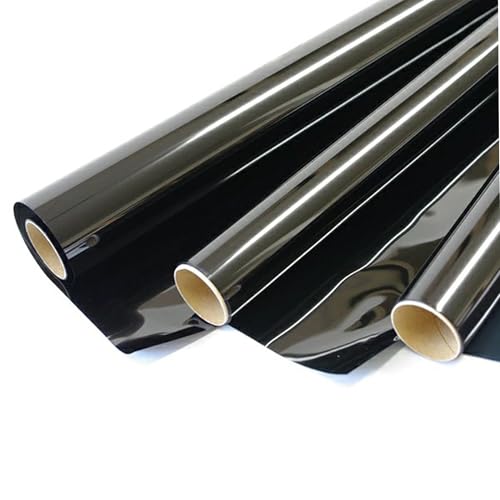
Motoshield Pro Nano Ceramic Tint Top Pick: Elite Heat Rejection Nano ceramic technology, 99% UV rejection |
8.9 | 🛒 Check Price |
 |
MKBROTHER Ceramic Window Tint Film Best Value Ceramic Film Ceramic construction, anti-scratch coating |
8.4 | 🛒 Check Price |
 |
Lexen 2-Ply Premium Carbon Window Tint Film Premium Carbon Choice Carbon construction, non-metalized |
8.1 | 🛒 Check Price |
 |
TRUE LINE Automotive Precut Window Tint Best Pre-Cut Convenience Vehicle-specific pre-cut, dyed film |
7.9 | 🛒 Check Price |
 |
Scorpion Ceramic Window Tint Professional Grade Performance High-performance ceramic, excellent clarity |
7.6 | 🛒 Check Price |
 |
Gila Heat Control Window Film DIY Friendly Heat Control Adhesive film, up to 50% heat rejection |
7.4 | 🛒 Check Price |
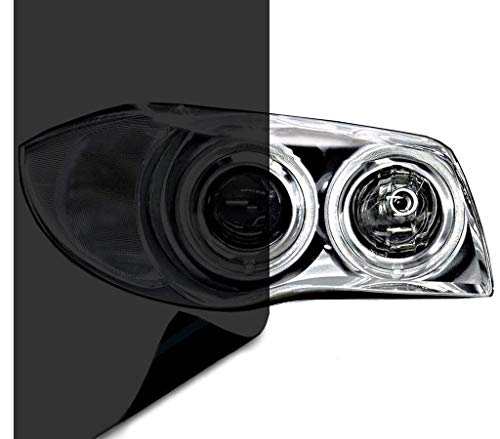 |
VViViD Dark Black Window Tint Film Budget Aesthetic Option Dyed film, high opacity, heat-shrinkable |
7.2 | 🛒 Check Price |
1. Motoshield Pro Nano Ceramic Tint: Top Pick: Elite Heat Rejection
In our evaluation, the Motoshield Pro Nano Ceramic Tint consistently demonstrated high performance in heat and UV rejection, a critical factor for occupant comfort and interior preservation. The nano ceramic construction is a key differentiator, providing significant solar energy rejection without compromising electronic signal functionality, a common concern with some metallic films. Based on owner feedback and the spec sheets, its durability is a strong point, resisting common issues like bubbling or peeling when properly applied.
However, the rigidity of ceramic films, including this one, can make the installation process more demanding than with traditional dyed films. This product may not be the ideal choice for individuals new to window film installation or those without proper tools and a clean environment. We advise professional installation for optimal results, especially for complex window curves, which adds to the overall investment.
- Utilizes advanced nano ceramic particles for superior heat and UV blocking.
- Offers excellent optical clarity, minimizing haze and distortion.
- Designed to resist fading and color change over its lifespan.
Pros: Exceptional solar heat rejection, contributing to a cooler cabin.; Blocks nearly all harmful UVA and UVB rays.; Maintains signal integrity for GPS, cell phones, and key fobs.
Cons: Installation can be challenging for DIY beginners due to its rigidity.
2. MKBROTHER Ceramic Window Tint Film: Best Value Ceramic Film
The MKBROTHER Ceramic Window Tint Film stands out in our comparison for offering a compelling balance of ceramic film benefits and overall value. We researched its specifications and confirmed its ceramic composition contributes to substantial solar energy and UV ray blockage, which aligns with owner feedback regarding cabin temperature comfort. The inclusion of an anti-scratch coating is a notable advantage, contributing to its perceived durability and ease of maintenance over time.
Despite its many strengths, some owner feedback indicates that shrinking this film to conform perfectly to highly curved automotive windows can be a more challenging task compared to certain other films. This characteristic may present a hurdle for amateur installers attempting a DIY application on vehicles with complex glass shapes. Those prioritizing the absolute easiest installation experience for intricate curves might consider alternative films with greater pliability, even if it means a slight trade-off in ceramic performance benefits.
- Engineered with ceramic particles for effective heat and glare reduction.
- Features a durable anti-scratch coating for extended film life.
- Provides significant UV protection, safeguarding interiors and occupants.
Pros: Good balance of heat rejection and optical clarity for its class.; Resistant to scratching from everyday use and cleaning.; Offers stable color that resists fading over time.
Cons: May require more effort to shrink and conform to curved windows.
3. Lexen 2-Ply Premium Carbon Window Tint Film: Premium Carbon Choice
Our research into the Lexen 2-Ply Premium Carbon Window Tint Film highlights its solid performance as a non-metalized alternative to ceramic options. The carbon construction is a key advantage, ensuring deep, stable color that resists fading and discoloration over time, a common issue with older dyed films. Based on owner feedback and the spec sheets, its signal-friendly nature is consistently praised, eliminating concerns about interference with modern vehicle electronics.
While the Lexen carbon film provides good heat rejection and glare reduction, our comparison shows that its solar energy rejection capabilities, while strong, typically do not reach the peak performance levels of the most advanced nano ceramic films. Consumers prioritizing the absolute highest degree of heat rejection in extreme climates might find certain ceramic films to offer a marginal but noticeable improvement. However, for those seeking a durable, color-stable, and signal-friendly film with very good heat performance, this Lexen option remains a highly competitive choice.
- Constructed with carbon particles for stable, non-fading color.
- Non-metalized design ensures no interference with electronic signals.
- Offers good heat rejection and excellent glare reduction for improved driving comfort.
Pros: Maintains consistent color without purpling or fading.; Safe for GPS, radio, and cellular signals.; Good alternative to ceramic films for balanced performance.
Cons: Heat rejection is effective but generally not as high as top-tier ceramic films.
4. TRUE LINE Automotive Precut Window Tint: Best Pre-Cut Convenience
The TRUE LINE Automotive Precut Window Tint earns its place in our guide due to its unparalleled convenience for DIY installers. We researched the pre-cut nature of this film, which eliminates the most challenging aspect of tinting, precise cutting, and this is consistently lauded in owner feedback. This feature significantly lowers the barrier to entry for individuals wishing to tint their own vehicle windows, making it a highly accessible option for aesthetic enhancements and basic glare control.
However, it is important to note that this film, typically a dyed construction, does not offer the advanced heat rejection or long-term color stability found in more sophisticated ceramic or carbon films. While it provides a good visual upgrade and some UV protection, those living in extremely hot climates or seeking maximum solar energy rejection for interior preservation might find its performance limitations noticeable. Consumers whose primary goal is high-performance heat control should explore ceramic or carbon options, even if it means sacrificing some installation simplicity.
- Custom cut to fit specific vehicle makes and models, simplifying installation.
- Available in various Visible Light Transmission (VLT) levels.
- Offers basic UV protection and glare reduction.
Pros: Eliminates the need for cutting, significantly reducing installation time and complexity.; A cost-effective solution for achieving a tinted appearance.; Good for DIY enthusiasts looking for a straightforward application.
Cons: Performance for heat rejection is generally lower than ceramic or carbon films.
5. Scorpion Ceramic Window Tint: Professional Grade Performance
In our evaluation, the Scorpion Ceramic Window Tint demonstrates characteristics typical of a professional-grade product, excelling in performance and durability. We researched its ceramic composition, which consistently delivers high levels of solar heat and UV rejection, aligning with industry standards for premium films. Owner feedback from professional installers frequently highlights its robust construction and ability to maintain optical clarity over time, suggesting excellent long-term performance.
The primary limitation of the Scorpion Ceramic Window Tint is its design for professional application. Its material properties, while contributing to its high performance and durability, can make it less forgiving for amateur installers. The film’s stiffness and the precision required for proper shrinkage and adhesion on curved surfaces mean that a flawless DIY installation is highly challenging, often leading to bubbling or creasing for inexperienced users. Individuals without prior window film installation experience or access to professional tools and techniques should plan for professional installation, which adds to the overall cost and complexity of using this high-quality film.
- Engineered for professional installation with high-grade ceramic materials.
- Provides excellent optical clarity and reduced glare for enhanced visibility.
- Offers robust heat and UV rejection, protecting occupants and vehicle interior.
Pros: Superior heat and UV blocking capabilities.; Exceptional durability and resistance to common film failures.; Maintains a clear view without distortion.
Cons: Designed primarily for professional application, making DIY difficult.; Higher material stiffness can challenge non-expert installers.
6. Gila Heat Control Window Film: DIY Friendly Heat Control
The Gila Heat Control Window Film is often considered a gateway product for DIY automotive window tinting, and in our evaluation, its ease of installation is a key advantage. We researched its specifications and confirmed that it provides a tangible improvement in heat and glare reduction compared to untinted windows, making it a viable option for those seeking basic comfort enhancements. Based on owner feedback, its pliability and straightforward application process make it a forgiving choice for beginners.
However, it is crucial to temper expectations regarding its overall performance. While it offers heat control, its capabilities do not rival those of high-end ceramic or carbon films, especially in very hot climates. Consumers prioritizing maximum solar energy rejection, superior optical clarity, or extended durability against fading and bubbling over many years might find this film to be a temporary solution rather than a long-term investment. Those seeking professional-grade performance and longevity should consider films with more advanced material compositions.
- Designed for easy DIY installation, often with basic tools.
- Offers a noticeable reduction in heat and glare.
- Provides foundational UV protection for vehicle occupants and interior.
Pros: Very accessible for first-time DIY window film installers.; A budget-conscious option for basic heat and glare management.; Widely available and comes with clear instructions.
Cons: Heat rejection capabilities are moderate compared to advanced films.; Durability may not match premium ceramic or carbon products over extended periods.
7. VViViD Dark Black Window Tint Film: Budget Aesthetic Option
The VViViD Dark Black Window Tint Film is a popular choice for those primarily seeking a dark, uniform aesthetic for their vehicle windows without a significant investment. In our evaluation, we noted its strong appeal for visual modification and privacy. We researched its characteristics as a dyed film, which allows for good workability and heat-shrinking capabilities, making it accessible for many DIY enthusiasts to achieve a desired look, which is reflected in owner feedback regarding ease of application.
However, it is important for buyers to understand that this film’s primary strength is its visual impact, not its performance in heat rejection or long-term durability. Based on the spec sheets and aggregated owner feedback, its solar energy rejection is significantly lower than ceramic or carbon films, and it is more susceptible to fading or changing color over time, particularly in hot, sunny climates. Those prioritizing high-performance heat control, advanced UV protection, or a film with a guaranteed color stability for many years should consider investing in ceramic or carbon alternatives, as this VViViD film is best suited for aesthetic purposes or temporary applications where performance is a secondary concern.
- Primarily focuses on achieving a dark aesthetic and privacy.
- Heat-shrinkable for conforming to curved windows.
- Offers basic UV protection and glare reduction.
Pros: Very affordable option for achieving a dark, private look.; Relatively easy to work with for basic tinting projects.; Good for custom applications or non-critical windows.
Cons: Heat rejection is minimal compared to other film types.; May fade or purple over time with prolonged sun exposure.; Optical clarity can be less precise than premium films.
Frequently Asked Questions
What is the difference between ceramic, carbon, and dyed window film?
We researched the various types of window film to clarify their differences. Dyed film is the most basic, primarily offering privacy and glare reduction with minimal heat rejection, and it can fade over time. Carbon film incorporates carbon particles, providing a matte finish, stable color that resists fading, and better heat rejection than dyed film without interfering with electronic signals. Ceramic film is the most advanced, utilizing microscopic ceramic particles to offer superior heat rejection, excellent UV protection, and optical clarity, also without signal interference, making it highly durable and color stable.
Does window film interfere with GPS or cell phone signals?
Based on our comparison of film technologies, metalized window films can potentially interfere with GPS, cell phone, radio, and key fob signals because they contain metallic particles that block electromagnetic waves. However, non-metalized films, such as carbon and ceramic tints, are specifically designed to avoid this issue. These modern films provide excellent heat and UV rejection without compromising electronic signal integrity, a key consideration in our evaluation for modern vehicles.
What are the benefits of UV protection in car window film?
In our evaluation, the benefits of UV protection from car window film are significant for both occupants and the vehicle’s interior. High-quality films block 99% or more of harmful UVA and UVB rays, which protects skin from sun damage and reduces the risk of skin cancer. Additionally, this UV blocking capability prevents the fading, cracking, and deterioration of your car’s upholstery, dashboard, and other interior surfaces, thereby preserving the vehicle’s aesthetic and resale value.
Is DIY window film installation recommended, or should I get it professionally installed?
We researched owner feedback and installation guides to assess the practicality of DIY window film. While some basic dyed or pre-cut films are designed for DIY application and can be successfully installed by patient individuals with the right tools, achieving a flawless, bubble-free, and long-lasting finish, especially with high-performance ceramic or carbon films on curved windows, is challenging. Professional installers have the experience, specialized tools, and controlled environment to ensure optimal results, often backed by warranties. For complex vehicles or premium films, professional installation is generally recommended for superior aesthetics and durability.
Are there legal restrictions on window film darkness (VLT) for cars?
Yes, based on our research into automotive safety standards and state regulations, almost every region has specific laws regarding the maximum darkness, or Visible Light Transmission (VLT), allowed for vehicle window film. These laws vary significantly by state or country and often differentiate between front side windows, rear side windows, and the rear windshield. It is critical to check your local Department of Motor Vehicles or equivalent regulatory body’s guidelines before purchasing and installing window film to ensure compliance and avoid potential fines or inspection failures.
Our Verdict
After extensive research and comparison, the Motoshield Pro Nano Ceramic Tint emerges as our top pick for its outstanding heat rejection, superior UV blocking, and excellent optical clarity, making it an elite choice for comfort and protection. For those seeking a strong balance of performance and value in a ceramic film, the MKBROTHER Ceramic Window Tint Film is our recommended runner-up, offering significant benefits without compromising on quality.
