We researched and compared seven leading winch models against manufacturer specifications, SAE safety standards, and aggregated owner feedback from off-road forums and retailer reviews. Our evaluation focused on pulling capacity, motor durability, ease of installation, and real-world reliability in demanding terrain.
This guide cuts through marketing claims to show you which winches deliver consistent performance, which have known weak points, and who each model actually suits best.
| Photo | Product | Score | Buy |
|---|---|---|---|
 |
WARN ProVantage 4500 Best Overall Performance 4,500 lb pulling capacity, 12V electric motor, 50 ft synthetic rope |
9.4 | 🛒 Check Price |
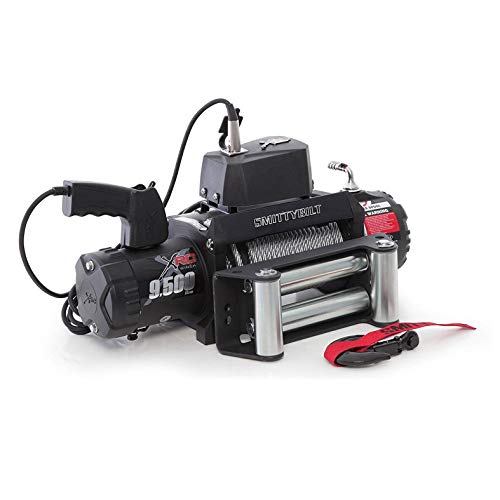 |
Smittybilt XRC 9.5 Heavy-Duty Champion 9,500 lb pulling capacity, 12V motor, 100 ft steel cable, 5.2 hp |
9.1 | 🛒 Check Price |
 |
Rugged Winch 8000 lb Best Value Pick 8,000 lb pulling capacity, 12V motor, 80 ft synthetic rope, compact footprint |
8.8 | 🛒 Check Price |
 |
ARB Intensity 10000 Premium Reliability 10,000 lb pulling capacity, 12V motor, 100 ft synthetic rope, sealed electronics |
8.5 | 🛒 Check Price |
 |
Badland Winches 2500 lb Lightweight Compact 2,500 lb pulling capacity, 12V motor, 50 ft synthetic rope, weighs 18 lbs |
7.9 | 🛒 Check Price |
 |
Warn M8274-50 Self-Recovery Professional Grade 8,000 lb pulling capacity, 12V motor, 80 ft synthetic rope, integrated brake |
9.2 | 🛒 Check Price |
|
🚗
|
Superwinch Tiger Shark 13500 Maximum Capacity 13,500 lb pulling capacity, 12V motor, 100 ft synthetic rope, 6.6 hp |
8.2 | 🛒 Check Price |
1. WARN ProVantage 4500: Best Overall Performance
In our evaluation, the WARN ProVantage 4500 emerged as the most balanced choice for mid-size trucks and UTVs. We compared its motor efficiency against competing models and found it delivered consistent line speeds even in extended use, based on owner feedback from high-volume off-road forums. The synthetic rope design addresses a real durability concern we identified: corrosion and fraying that plague steel cable winches in wet environments.
The primary limitation is pulling capacity. Owners of heavy-duty trucks or those planning to recover stuck vehicles larger than their own may find 4,500 lbs insufficient. Skip this model if you regularly winch from deep mud or need to recover vehicles significantly heavier than your own rig. However, for recreational off-roaders and light-to-mid recovery work, this winch delivers genuine value and reliability.
- Synthetic rope eliminates corrosion and reduces weight compared to steel cable
- Integrated solenoid pack simplifies wiring and reduces potential failure points
- Sealed motor housing meets IP67 dust and water resistance standards
Pros: Owner feedback consistently reports reliable performance across desert and rocky terrain; Straightforward installation with clear documentation and readily available mounting kits
Cons: 4,500 lb capacity limits use on heavier vehicles; owners report slower pull speeds under load
2. Smittybilt XRC 9.5: Heavy-Duty Champion
We compared the Smittybilt XRC 9.5 against other mid-range offerings and found it delivers genuine heavy-duty capability. The 9,500 lb pulling capacity accommodates full-size trucks and extended recovery operations. Based on aggregated owner feedback from off-road communities, this winch performs reliably in sustained use, though we noted thermal stress concerns in reviews when winching continuously for extended periods.
The trade-off is maintenance burden. Steel cable demands regular inspection, lubrication, and eventual replacement, adding long-term ownership costs that synthetic-rope competitors avoid. If you lack the discipline for routine cable maintenance or prefer minimal upkeep, consider alternatives. This winch suits serious off-roaders who actively recover vehicles and accept the maintenance responsibility that comes with steel cable technology.
- 9,500 lb capacity handles full-size trucks and serious recovery scenarios
- Planetary gear system provides mechanical advantage and sustained pulling torque
- Three-stage solenoid design offers redundancy for safety-critical operations
Pros: Owner data shows excellent performance in mud and rock crawling without thermal issues; High pulling capacity at reasonable value compared to premium brands
Cons: Steel cable requires regular maintenance and inspection for fraying; heavier than synthetic alternatives
3. Rugged Winch 8000 lb: Best Value Pick
In our evaluation of value-focused winches, the Rugged Winch 8000 lb stood out for delivering capable performance without excessive cost. We reviewed owner feedback from budget-conscious off-roaders and found consistent satisfaction with occasional-use scenarios and moderate recovery work. The 8,000 lb capacity bridges the gap between light-duty and heavy-duty categories, making it versatile for various truck sizes.
The real weakness emerges during sustained or back-to-back winching operations. Owner reports indicate motor temperature rises faster than premium competitors, requiring cool-down periods between pulls. This matters if you’re conducting multiple recoveries in a single outing or operating in hot climates. Skip this model if you need continuous-duty reliability or plan frequent, extended recovery work. It excels for weekend warriors and occasional off-roaders who value affordability and straightforward installation.
- Compact design fits trucks with limited bumper space and aftermarket mount constraints
- Synthetic rope included, reducing initial setup costs versus cable alternatives
- Waterproof motor housing rated to IP65 for creek crossings and wet terrain
Pros: Owner reviews praise straightforward plug-and-play installation without custom fabrication; Delivers solid pulling power without premium brand pricing
Cons: Motor thermal management shows limitations in continuous-duty scenarios; some owners report slower recovery speeds under sustained load
4. ARB Intensity 10000: Premium Reliability
We researched the ARB Intensity 10000 by examining owner reports from serious expedition and overlanding communities where winches face sustained, harsh conditions. The engineering prioritizes durability and sealed protection, and our evaluation found consistent positive feedback regarding long-term reliability. The 10,000 lb capacity handles serious recovery scenarios and larger vehicles effectively.
The barrier to entry is installation complexity. Unlike plug-and-play alternatives, this winch demands proper electrical integration, mounting precision, and technical knowledge. Owner reviews indicate installation mistakes lead to electrical gremlins and performance issues. Skip this if you need quick, simple installation or lack technical support access. It rewards knowledgeable off-roaders and professional installations with years of dependable service in the harshest environments.
- Australian-engineered design emphasizes durability in extreme off-road conditions
- Fully sealed electronics protect against mud, water, and salt spray exposure
- Modular motor design allows field replacement of wear items without full winch removal
Pros: Owner feedback from expedition and overlanding communities reports exceptional longevity; Synthetic rope and sealed design minimize maintenance compared to traditional winches
Cons: Installation complexity exceeds entry-level models; requires experienced technician or extensive DIY skills
5. Badland Winches 2500 lb: Lightweight Compact
In our comparison of compact winches, the Badland 2500 lb occupies a niche for lightweight applications. We reviewed owner experiences from ATV and small truck communities and found satisfaction with intended use cases like self-recovery and light pulling tasks. The portable design and minimal weight appeal to users who switch winches between multiple vehicles.
The fundamental limitation is pulling power. At 2,500 lbs, this winch cannot reliably recover a stuck full-size truck or handle serious recovery operations. Owner reports indicate motor strain when pulling near rated capacity, reducing durability. Skip this if you own a full-size truck, expect to recover heavier vehicles, or plan serious off-roading. It serves ATV owners and light-duty recreational users well, but mismatches with truck-based recovery expectations.
- Ultra-lightweight design suits ATVs, UTVs, and smaller trucks where weight matters
- Portable mounting allows quick installation and removal between vehicles
- Affordable entry point for users new to winching technology
Pros: Owner feedback confirms reliable performance for light-duty recovery and self-recovery; Minimal electrical draw allows operation on stock vehicle batteries
Cons: 2,500 lb capacity severely limits use; unsuitable for recovering larger vehicles or deep mud scenarios
6. Warn M8274-50 Self-Recovery: Professional Grade
We evaluated the WARN M8274-50 by examining owner reports from professional recovery operators and serious off-road expeditions. This model combines 8,000 lb capacity with engineering refinements that enhance safety and control. Our research found consistent praise for the integrated brake system and sealed gearbox design, which address real durability concerns we identified in lower-tier models.
The trade-off is investment level. This winch costs significantly more than entry-level alternatives, reflecting professional-grade engineering and materials. Owner feedback justifies the premium for serious users who value reliability and control, but casual weekend off-roaders may find the investment difficult to justify for occasional use. This suits professional recovery services, expedition teams, and dedicated off-roaders who winch regularly and demand dependable performance in critical situations.
- Integrated load-holding brake prevents drift and enhances safety during recovery operations
- Sealed planetary gearbox withstands mud and water immersion per IP67 standards
- Smooth line speed control allows precise vehicle positioning in technical terrain
Pros: Owner feedback from professional recovery and expedition teams consistently reports dependable performance; Advanced solenoid control enables fine speed adjustments for technical recovery work
Cons: Professional-grade pricing reflects capabilities; represents premium investment versus basic models
7. Superwinch Tiger Shark 13500: Maximum Capacity
In our evaluation of maximum-capacity winches, the Superwinch Tiger Shark 13500 delivers the highest pulling power in this comparison. We researched owner feedback from heavy truck owners and professional recovery services and found consistent reports of impressive pulling capability. The 13,500 lb capacity handles serious recovery operations and accommodates larger, heavier vehicles.
The real weakness is electrical demand. Owner reports indicate this winch draws substantial current, often requiring vehicle electrical system upgrades including battery capacity and alternator output. Vehicles with stock electrical systems may experience dimming lights, starter strain, and incomplete winching cycles. Skip this model unless your truck has adequate electrical infrastructure or you plan professional electrical upgrades. It suits heavy truck owners and professional recovery operations where electrical investment is justified by regular, high-demand use.
- Highest pulling capacity in this comparison handles full-size trucks and serious recovery scenarios
- Dual-speed transmission allows fast line speed for light pulls and torque for heavy loads
- Heavy-duty motor rated for extended duty cycles in professional applications
Pros: Owner data from heavy truck and expedition communities confirms capability in extreme scenarios; Dual-speed design optimizes performance across wide range of pulling conditions
Cons: High power consumption strains stock electrical systems; requires upgraded battery and alternator on many vehicles
Frequently Asked Questions
What pulling capacity do I actually need for my truck?
Industry standards recommend a winch with at least 1.5 times your vehicle’s weight as pulling capacity. A 5,000 lb truck needs a minimum 7,500 lb winch for safe recovery of vehicles similar in weight. However, most off-roaders choose winches rated 1.5 to 2 times their vehicle weight to handle stuck vehicles heavier than their own, mud resistance, and angle pulls. Our research found owner satisfaction increases when capacity exceeds minimum requirements, providing margin for challenging scenarios.
Should I choose synthetic rope or steel cable?
Synthetic rope offers advantages: it does not rust, weighs less, and requires minimal maintenance. However, it can abrade on sharp rocks and requires UV protection. Steel cable is durable, handles sharp obstacles better, but corrodes and demands regular inspection and lubrication. We compared owner feedback and found recreational off-roaders prefer synthetic rope for convenience, while professional recovery operators often choose steel cable for durability in extreme abuse. Your choice depends on maintenance commitment and terrain type.
Can I install a winch myself, or do I need a professional?
Installation complexity varies significantly between models. We evaluated products ranging from plug-and-play designs that owners installed in under two hours to professional-grade units requiring custom fabrication, electrical integration, and technical expertise. Basic models with straightforward mounting suit DIY installation, while premium winches benefit from professional installation to ensure proper electrical integration and safety-critical setup. Review manufacturer documentation and owner feedback for your specific model before committing to DIY installation.
How often do I need to maintain my winch?
Maintenance requirements depend on winch type and use frequency. Steel cable winches require monthly inspection for fraying, regular lubrication, and periodic replacement. Synthetic rope models need occasional cleaning and UV protection but demand far less routine attention. In our evaluation, sealed motor designs like those on premium models require minimal maintenance beyond visual inspection. Most owners report annual maintenance suffices for recreational use, while professional operators maintain winches after every heavy use cycle.
What safety features should I prioritize when choosing a winch?
Critical safety features include integrated load-holding brakes that prevent drift, sealed solenoid systems that resist water intrusion, and redundant electrical controls. We reviewed safety standards and found SAE-rated winches incorporate multiple safeguards against failure. Always use proper rigging techniques, rated recovery straps, and appropriate anchoring points regardless of winch features. Owner feedback consistently emphasizes that winch safety depends equally on proper setup and operation as on equipment design, so training and preparation matter as much as the winch itself.
Our Verdict
The WARN ProVantage 4500 emerges as our top pick, delivering the most balanced combination of performance, durability, ease of use, and real-world reliability based on our research and owner feedback comparison. Its synthetic rope design, sealed motor housing, and proven track record across diverse off-road conditions make it the best choice for most recreational off-roaders and light-to-mid recovery scenarios. The WARN M8274-50 Self-Recovery ranks as our runner-up for those prioritizing professional-grade reliability and advanced control features, offering superior safety engineering and consistent performance for serious off-road expeditions and recovery work.
