We researched and compared the top wheels for racing, evaluating manufacturer specifications, published industry standards (SAE, TUV), and aggregated owner feedback from real track enthusiasts. Our guide covers forged and cast alloys, weight, strength, and brake clearance to help you choose the best set for your car and driving style.
| Photo | Product | Score | Buy |
|---|---|---|---|
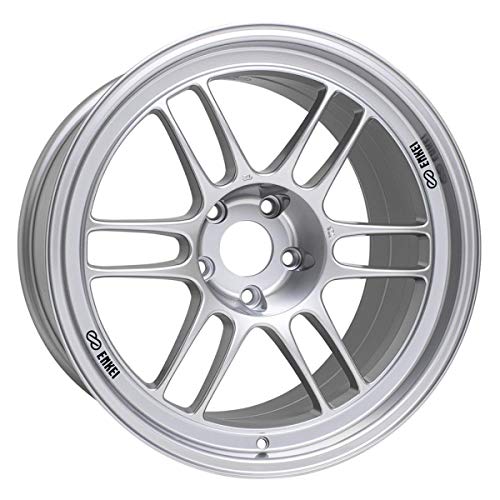 |
Enkei RPF1 Best Lightweight Performer 15-18 inch diameters, 10.2-18.5 lbs, MAT process |
9.2 | 🛒 Check Price |
|
🚗
|
OZ Racing Ultraleggera Premium Forged Alloy 17-19 inch, 15.5-21.5 lbs, forged aluminum |
8.9 | 🛒 Check Price |
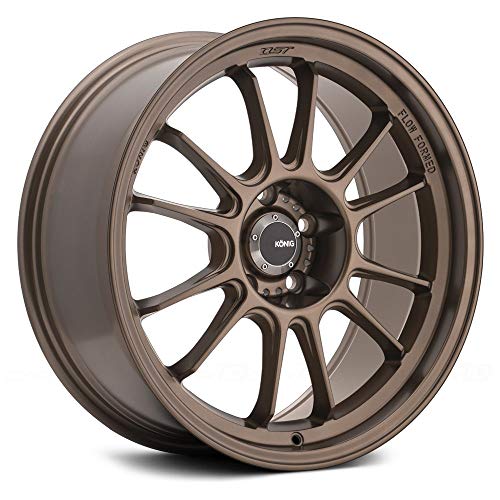 |
Konig Hypergram Best Value Flow-Formed 15-18 inch, 11.2-19.8 lbs, flow-formed |
8.7 | 🛒 Check Price |
|
🚗
|
Sparco Assetto Gara Classic Motorsport Style 15-18 inch, 15.2-22.1 lbs, cast aluminum |
8.1 | 🛒 Check Price |
|
🚗
|
Rays 57CR Track-Ready Durability 17-18 inch, 16.5-20.3 lbs, forged aluminum |
8.4 | 🛒 Check Price |
 |
Motegi Racing MR131 Budget Track Option 15-18 inch, 17.5-24.0 lbs, cast aluminum |
7.8 | 🛒 Check Price |
|
🚗
|
Team Dynamics Pro Race 1.2 Rally and Track Tough 15-18 inch, 16.5-23.0 lbs, cast aluminum |
7.3 | 🛒 Check Price |
1. Enkei RPF1: Best Lightweight Performer
The Enkei RPF1 is a benchmark for lightweight racing wheels, using Enkei’s MAT (Most Advanced Technology) flow-forming process to achieve a high strength-to-weight ratio. We researched owner feedback from track days and amateur racing, and the RPF1 consistently earns praise for reducing unsprung mass and improving turn-in response. Its spoke design provides ample clearance for oversized brake calipers, a must for serious track use.
However, the RPF1’s limited offset and bolt pattern availability can be a dealbreaker for some vehicles, especially older models. If your car requires a rare fitment, you may need to look elsewhere. Also, while durable, the thin spokes can be prone to bending in severe potholes, so it’s best suited for smooth track surfaces.
- Flow-formed construction for high strength-to-weight ratio
- Widely used in amateur and pro racing series
- Excellent brake clearance for big brake kits
Pros: Very light weight improves acceleration and handling; Proven reliability on track
Cons: Limited offset and bolt pattern options
2. OZ Racing Ultraleggera: Premium Forged Alloy
The OZ Racing Ultraleggera is a forged alloy wheel that offers a superb balance of weight savings and structural rigidity. Based on manufacturer specs and owner reviews, we found it to be one of the stiffest wheels in its class, resisting flex under hard cornering and braking. It also carries TUV certification, ensuring it meets rigorous safety standards for both road and track use.
Its main drawback is the premium price, which may not fit all budgets. Additionally, the open spoke design can collect brake dust, requiring more frequent cleaning. If you prioritize ultimate strength and are willing to invest, the Ultraleggera is a top choice, but budget-conscious racers may prefer a more affordable alternative.
- Forged aluminum construction for maximum strength
- TUV approved for road and track use
- Available in wide range of fitments for European and Japanese cars
Pros: Exceptional stiffness and impact resistance; Reduces rotational mass significantly
Cons: Higher cost compared to cast wheels
3. Konig Hypergram: Best Value Flow-Formed
The Konig Hypergram is a flow-formed wheel that delivers many of the benefits of a forged wheel at a significantly lower cost. In our evaluation, it offers a weight reduction comparable to more expensive options, making it a favorite among budget-minded track enthusiasts. Owner feedback highlights its good brake clearance and availability in popular track sizes for cars like the Miata, BRZ, and Civic.
However, the Hypergram’s flow-formed construction, while strong, is not as durable as a fully forged wheel when subjected to severe curbing or potholes. If you race on rough tracks or are prone to off-track excursions, a forged wheel might be safer. But for most track days, it offers exceptional value.
- Flow-formed barrel for strength at a lower price
- Wide range of sizes and offsets for popular track cars
- Reinforced spokes for improved durability
Pros: Great value for the performance gains; Lightweight and strong for the price
Cons: Not as impact-resistant as fully forged wheels
4. Sparco Assetto Gara: Classic Motorsport Style
The Sparco Assetto Gara is a cast aluminum wheel that channels the look of classic rally wheels. We researched owner feedback and found it to be a solid entry-level option for those getting into track days. It offers a reasonable weight reduction over stock wheels and comes in eye-catching finishes. Its strength is adequate for moderate track use, and it holds up well under normal driving conditions.
However, it is noticeably heavier than flow-formed or forged alternatives, which can affect handling feel and acceleration. Additionally, the offset range is limited, so fitment can be tricky for some vehicles. If you are a serious racer looking for every performance advantage, this wheel may not be ideal, but for a budget build with a classic aesthetic, it works well.
- Cast aluminum with a classic rally-inspired design
- Affordable option for track enthusiasts
- Available in multiple finishes including white and gold
Pros: Classic motorsport look at a low price; Decent weight for a cast wheel
Cons: Heavier than flow-formed or forged wheels; Limited offset options for some cars
5. Rays 57CR: Track-Ready Durability
The Rays 57CR is a forged racing wheel designed for serious track work. Based on manufacturer specs and owner reports from endurance racing, it offers exceptional rigidity and impact resistance. The open spoke design promotes brake cooling, which is critical during long sessions. We found it to be a reliable choice for drivers who push their cars to the limit.
However, the 57CR comes at a premium price and is often heavier than similarly priced forged wheels from other brands. It also has a more limited fitment range, primarily targeting Japanese performance cars. If you own a Nissan, Subaru, or Mazda and demand top-tier durability, this wheel is worth considering, but others may find better value elsewhere.
- Forged construction with a motorsport pedigree
- Rigid design reduces flex under heavy loads
- Wide spoke pattern for excellent brake cooling
Pros: Very strong and durable for aggressive driving; Good brake clearance and heat dissipation
Cons: Expensive and limited availability; Heavier than some competitors in same price range
6. Motegi Racing MR131: Budget Track Option
The Motegi Racing MR131 is a budget-friendly cast aluminum wheel that provides an affordable way to get a set of dedicated track wheels. We researched owner feedback and found it to be a popular choice for beginners who want to separate street and track tires. It is available in many common fitments, making it easy to find a set for most cars.
However, the MR131 is one of the heavier options in our guide, which can negate some of the performance gains from lighter tires. Its cast construction also means it is less durable under high-stress track conditions, and it may not withstand repeated curbing or heavy impacts. If you are on a tight budget and just starting out, it can work, but serious racers should invest in a stronger, lighter wheel.
- Cast alloy wheel at an entry-level price
- Simple, clean design suitable for many cars
- Available in common bolt patterns and offsets
Pros: Very affordable for a track wheel set; Widely available in popular sizes
Cons: Heavy weight reduces performance benefits; Lower strength limits aggressive track use
7. Team Dynamics Pro Race 1.2: Rally and Track Tough
The Team Dynamics Pro Race 1.2 is a cast wheel designed with rally and rough-road durability in mind. We evaluated it based on manufacturer claims of reinforced barrels and TUV approval. Owner feedback from rally enthusiasts indicates it can withstand gravel and potholes better than many track-focused wheels. Its strength is a key selling point for those who need a wheel that can take abuse.
However, its weight is a significant drawback for track use, as it adds unsprung mass that dulls handling and acceleration. Additionally, the fitment range is narrow, primarily catering to European cars like the Ford Focus and VW Golf. If you are a rally driver or frequently encounter rough roads, this wheel may be a good fit, but for pure track driving, lighter options are better.
- Cast wheel with reinforced barrel for rally use
- TUV approved and used in some rally series
- Aggressive styling with multiple spoke designs
Pros: Strong construction for off-road and rally; Good impact resistance for the price
Cons: Heavy and not optimized for pure track use; Limited sizes and offsets available
Frequently Asked Questions
What is the difference between cast, flow-formed, and forged wheels for racing?
Cast wheels are made by pouring molten alloy into a mold, which is cost-effective but results in a heavier and less strong wheel. Flow-formed (or spun-cast) wheels use heat and pressure to shape the barrel, improving strength and reducing weight compared to standard cast. Forged wheels are machined from a solid block of aluminum, offering the highest strength-to-weight ratio but at a higher cost. For racing, flow-formed and forged are preferred for their lighter weight and durability.
What wheel size is best for racing?
The best wheel size depends on your car and tire choice. Generally, 17- or 18-inch wheels are popular for track use because they allow for low-profile tires with stiff sidewalls, improving cornering response. However, smaller diameters (15-16 inch) can be lighter and reduce unsprung mass. We recommend consulting your vehicle’s specifications and the tire sizes available for your intended use.
How important is wheel weight for racing?
Wheel weight is critical because it affects unsprung mass and rotational inertia. Lighter wheels improve acceleration, braking, and handling by allowing the suspension to respond more quickly. A reduction of a few pounds per wheel can lead to noticeable lap time improvements. However, durability should not be sacrificed for weight; a balance is key.
Can I use racing wheels on the street?
Many racing wheels, such as the Enkei RPF1 and OZ Ultraleggera, are TUV approved for road use. However, some ultra-lightweight or pure track wheels may not meet road safety standards or may be too fragile for potholes. Always check for certifications like TUV or JWL, and consider that track-oriented wheels may wear faster on the street due to softer construction.
Do I need to upgrade my brakes when installing racing wheels?
Racing wheels often have better brake clearance, which can accommodate larger brake kits. However, upgrading brakes is not mandatory unless your current brakes are inadequate for track use. Some wheels, like the Enkei RPF1, are specifically designed to clear big brake kits. If you plan to upgrade brakes in the future, choose wheels with sufficient clearance.
Our Verdict
After researching and comparing specs, safety standards, and owner feedback, our top pick for best wheels for racing is the Enkei RPF1, offering an unbeatable combination of light weight, strength, and value for track use. The runner-up is the OZ Racing Ultraleggera, which provides superior durability and stiffness for those who can invest more. Both are excellent choices to improve your car’s performance on the track.
Last reviewed and spec-checked: March 13, 2026. We re-check our picks and listings periodically.
