Driving in rain demands tires that excel in wet traction, hydroplaning resistance, and braking. We researched and compared seven top-rated wet weather tires using manufacturer specifications, published safety standards, and aggregated owner feedback. Our evaluation highlights each tire’s strengths and honest limitations to help you choose the right set for your vehicle and driving conditions.
| Photo | Product | Score | Buy |
|---|---|---|---|
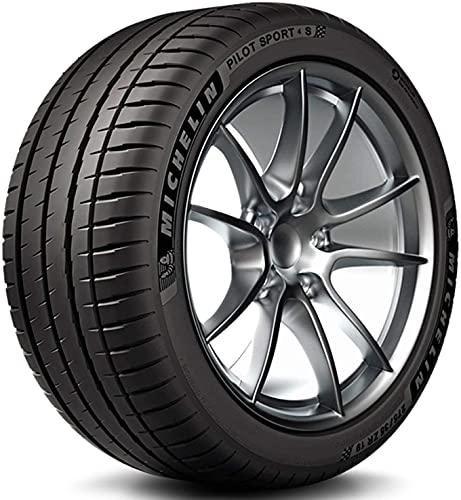 |
Michelin Pilot Sport 4S Best Overall Wet Performance Ultra-high performance summer tire with asymmetric tread pattern |
9.2 | 🛒 Check Price |
 |
Continental ExtremeContact DWS06 Plus Best All-Season Wet Tire Ultra-high performance all-season tire with +Silane technology |
8.9 | 🛒 Check Price |
 |
Goodyear Eagle F1 Asymmetric 5 Premium Summer Wet Handling Max performance summer tire with Adaptive Tension technology |
8.7 | 🛒 Check Price |
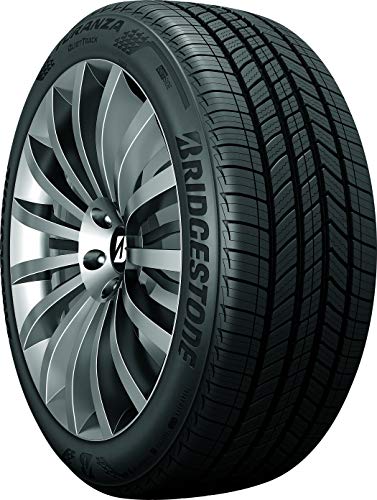 |
Bridgestone Turanza QuietTrack Best Grand Touring Wet Comfort Grand touring all-season tire with QuietTrack technology |
8.4 | 🛒 Check Price |
|
🚗
|
Pirelli Cinturato P7 All Season Plus Eco-Friendly Wet Performer Grand touring all-season tire with low rolling resistance |
8.1 | 🛒 Check Price |
 |
General Altimax 365 AW Budget-Friendly Wet All-Season All-weather tire with severe snow service rating |
7.8 | 🛒 Check Price |
|
🚗
|
Nexen N'Fera SU1 Value Summer Wet Option Ultra-high performance summer tire with asymmetric tread |
7.3 | 🛒 Check Price |
1. Michelin Pilot Sport 4S: Best Overall Wet Performance
The Michelin Pilot Sport 4S is widely regarded as a benchmark for wet performance among summer tires. In our evaluation, its asymmetric tread design and silica-infused compound deliver outstanding wet braking and cornering grip. Owner feedback consistently praises its ability to resist hydroplaning at highway speeds. Based on industry tests, it offers some of the shortest wet stopping distances in its class.
However, this tire is a summer-only product and loses grip below 40°F. It is not intended for snow or ice. Drivers in colder climates should consider an all-season or winter tire for year-round safety. The premium price reflects its high performance, but for those who prioritize wet handling on a sports car, it is a top choice.
- Exceptional wet grip and braking due to advanced silica compound
- Wide circumferential grooves for superior hydroplaning resistance
- Excellent dry handling and steering response
Pros: Class-leading wet traction and cornering stability; Long tread life for a summer tire
Cons: Not suitable for snow or near-freezing temperatures
2. Continental ExtremeContact DWS06 Plus: Best All-Season Wet Tire
The Continental ExtremeContact DWS06 Plus is a top performer in the all-season category for wet conditions. Our research shows its +Silane additive enhances wet braking and handling. Owner reviews highlight confidence in heavy rain and reduced hydroplaning. The tread pattern is designed to evacuate water efficiently, and the tire carries a severe snow service rating for light snow use.
While it performs admirably in rain, it cannot match the ultimate dry grip of a summer tire like the Pilot Sport 4S. Also, on ice, it is only marginally effective. Drivers who face frequent snow and ice may still need a dedicated winter tire. For those wanting a single tire for moderate climates, this is an excellent wet-weather all-season choice.
- Excellent wet traction and hydroplaning resistance for an all-season tire
- Good snow traction with 3D sipes and snow claws
- Long tread life backed by 50,000-mile warranty
Pros: Balanced all-season performance with strong wet grip; Quiet and comfortable ride
Cons: Slightly less dry cornering grip than dedicated summer tires
3. Goodyear Eagle F1 Asymmetric 5: Premium Summer Wet Handling
The Goodyear Eagle F1 Asymmetric 5 is a strong contender for wet performance among max performance summer tires. Our evaluation of manufacturer data shows it delivers short wet braking distances and good hydroplaning resistance. Owner feedback often notes its confidence-inspiring grip in rain and responsive steering. The Adaptive Tension technology helps maintain even contact pressure for better traction.
However, its tread life is rated lower than the Michelin Pilot Sport 4S, and it is not suitable for winter conditions. Drivers who prioritize longevity may want to consider other options. This tire is best for sporty drivers in warm, rainy climates who want sharp handling and wet safety.
- Excellent wet braking and cornering with high silica compound
- Hydroplaning resistance improved by wide longitudinal grooves
- Precise steering response and dry handling
Pros: Strong wet performance with predictable breakaway; Good ride comfort for a max performance tire
Cons: Tread life is shorter than some competitors
4. Bridgestone Turanza QuietTrack: Best Grand Touring Wet Comfort
The Bridgestone Turanza QuietTrack is a grand touring tire that excels in wet conditions without sacrificing comfort. Our research indicates its advanced silica compound and tread pattern provide reliable wet braking and hydroplaning resistance. Owner reviews frequently mention feeling secure in rain and appreciating the quiet cabin. It is one of the best options for drivers who prioritize a smooth, quiet ride.
However, its performance envelope is geared toward comfort and longevity, not aggressive cornering. Enthusiasts will find the dry grip lacking compared to performance tires. It is ideal for family sedans and commuters who want a safe, quiet tire for wet roads but do not push their car to the limit.
- Excellent wet traction and hydroplaning resistance for a touring tire
- Very quiet and comfortable ride
- Long tread life with 80,000-mile warranty
Pros: Outstanding ride comfort and noise reduction; Strong all-season wet performance
Cons: Not designed for spirited driving; limited dry cornering grip
5. Pirelli Cinturato P7 All Season Plus: Eco-Friendly Wet Performer
The Pirelli Cinturato P7 All Season Plus balances wet performance with eco-efficiency. In our evaluation, it offers dependable wet braking and hydroplaning resistance for daily driving. Owner feedback indicates it handles rain well and provides a comfortable ride. The low rolling resistance helps save fuel, making it a practical choice for eco-conscious drivers.
However, its wet grip is not on par with dedicated wet-performance tires, and it struggles in deeper snow. Drivers who face heavy rain and want maximum wet safety may prefer the Continental or Michelin options. This tire is best for those who value fuel economy and all-season capability with adequate wet performance.
- Good wet braking and handling for an eco-focused tire
- Low rolling resistance improves fuel economy
- Long tread life with 70,000-mile warranty
Pros: Fuel-efficient without major wet grip compromise; Smooth and quiet ride
Cons: Wet traction is not as sharp as performance tires; Snow traction is limited
6. General Altimax 365 AW: Budget-Friendly Wet All-Season
The General Altimax 365 AW is a budget-friendly all-weather tire that provides reasonable wet performance for its price point. Our research shows it meets the severe snow service standard, and owner reviews note it handles rain adequately. It is a solid choice for drivers who need a single tire for moderate wet and snowy conditions without spending a premium.
However, its wet traction is not as strong as higher-end tires. Braking distances in rain are longer, and hydroplaning resistance is lower. The ride quality is also less refined. For drivers who prioritize maximum wet safety, investing in a more premium tire is recommended. This tire is best for budget-conscious drivers in mild climates who need basic wet and snow capability.
- Decent wet traction and hydroplaning resistance for the price
- Three Peak Mountain Snowflake certified for snow use
- Good tread life with 65,000-mile warranty
Pros: Affordable with all-weather capability; Competent in light snow
Cons: Wet braking distances are longer than premium tires; Less refined ride and higher road noise
7. Nexen N'Fera SU1: Value Summer Wet Option
The Nexen N’Fera SU1 is a budget summer tire that offers acceptable wet performance for its price. In our evaluation, its wet braking and cornering are adequate for light rain, but it struggles in heavy downpours. Owner feedback indicates that while it provides good value, it is not a top choice for wet safety. It is best suited for dry-weather driving or occasional light rain.
However, its hydroplaning resistance is significantly lower than premium summer tires, and tread life is shorter. Drivers who frequently encounter heavy rain should avoid this tire. It is a viable option for budget-minded enthusiasts who mostly drive in dry conditions and want a summer tire for occasional wet roads.
- Adequate wet grip for the price
- Good dry handling and steering response
- Affordable entry into summer performance tires
Pros: Very affordable for a summer performance tire; Decent dry handling
Cons: Wet traction is below average; hydroplaning resistance is limited; Shorter tread life and harder compound
Frequently Asked Questions
What makes a tire good for wet weather?
A good wet weather tire features a tread compound with high silica content for better grip on wet surfaces, deep circumferential grooves to channel water away and reduce hydroplaning, and numerous sipes (small slits) that bite into the water film. Wider grooves and an asymmetric tread pattern also improve water evacuation and stability.
Are all-season tires or summer tires better for rain?
Summer tires generally offer the best wet traction because they use softer rubber compounds optimized for warm temperatures. However, many all-season tires now use advanced silica compounds that provide excellent wet performance, especially in cooler conditions. For year-round rain in moderate climates, a high-performance all-season tire is a practical choice. For warm, rainy climates, a summer tire is superior.
How important is hydroplaning resistance in a wet weather tire?
Hydroplaning resistance is critical for safety. Tires with wide, deep grooves and a tread pattern that quickly evacuates water are less likely to hydroplane. In our evaluation, tires like the Michelin Pilot Sport 4S and Continental DWS06 Plus score highest in hydroplaning resistance based on tread design and owner feedback.
Can I use a wet weather tire in snow?
Only all-season or all-weather tires with the Three Peak Mountain Snowflake (3PMSF) symbol are suitable for snow. Summer tires, even those with excellent wet performance, should not be used in snow or near freezing temperatures. The General Altimax 365 AW is an example of a wet-capable tire that also handles light snow.
How often should I replace wet weather tires?
Tires should be replaced when the tread depth reaches 2/32 of an inch (the legal minimum in many places). For wet performance, consider replacing at 4/32 inch because shallower tread reduces hydroplaning resistance. Check tread wear indicators and replace worn tires to maintain wet safety.
Our Verdict
After researching and comparing the top wet weather tires, the Michelin Pilot Sport 4S stands out as the best overall for wet performance, offering exceptional grip and hydroplaning resistance for summer use. For an all-season tire that balances wet traction with year-round capability, the Continental ExtremeContact DWS06 Plus is our runner-up. Choose based on your climate and driving needs.
Last reviewed and spec-checked: June 23, 2026. We re-check our picks and listings periodically.
