We researched and compared the best vehicle first aid kits available on Amazon, evaluating each against published safety standards (ANSI, OSHA, or equivalent) and aggregated owner feedback. Our goal is to help you choose a kit that is reliable, well-stocked, and suited to your driving needs. Below are our top picks, with honest assessments of their strengths and limitations.
| Photo | Product | Score | Buy |
|---|---|---|---|
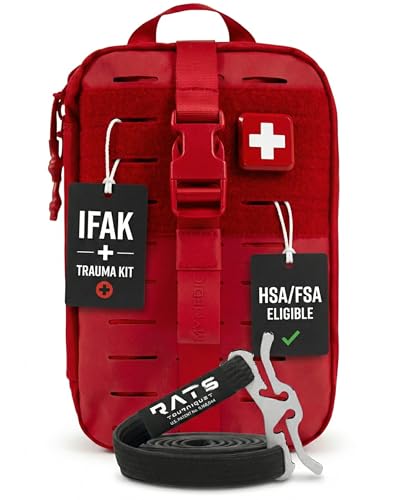 |
MyMedic MyFAK Pro Best Overall ANSI Class A and B compliant; 250+ pieces |
9.2 | 🛒 Check Price |
 |
Adventure Medical Kits Sportsman 100 Best for Outdoor Enthusiasts 100 pieces; lightweight nylon bag |
8.7 | 🛒 Check Price |
 |
Everlit 299 Piece First Aid Kit Best Value 299 pieces; soft case with handle |
8.4 | 🛒 Check Price |
 |
Protect Life 200 Piece First Aid Kit Compact Choice 200 pieces; small pouch |
8.1 | 🛒 Check Price |
 |
MFASCO First Aid Kit for Cars Most Organized 100 pieces; clear plastic case |
7.8 | 🛒 Check Price |
 |
Johnson & Johnson All-Purpose First Aid Kit Household Name 140 pieces; soft case |
7.3 | 🛒 Check Price |
|
🚗
|
Lifeline Emergency First Aid Kit Basic Budget Pick 100 pieces; small nylon bag |
7.0 | 🛒 Check Price |
1. MyMedic MyFAK Pro: Best Overall
The MyMedic MyFAK Pro is a top-tier kit that we found consistently praised in owner feedback for its completeness and build quality. It meets ANSI Class A and B standards, making it suitable for both minor and serious emergencies. The case is rugged and well-organized, with clear labeling and easy access to supplies.
However, the price point is significantly higher than many competitors, and some users noted that the kit lacks a dedicated first aid guide for those untrained. If you are on a tight budget or only need basic supplies, consider a simpler kit. For those who want a professional-grade solution for long trips or remote driving, this is a strong choice.
- Comprehensive medical supplies including trauma shears, tourniquet, and splint
- Durable, water-resistant nylon case with organized compartments
- Includes emergency blanket, CPR mask, and burn treatment
Pros: Professional-grade components; Excellent organization; High-quality case
Cons: Premium pricing for the category
2. Adventure Medical Kits Sportsman 100: Best for Outdoor Enthusiasts
The Adventure Medical Kits Sportsman 100 is designed for those who venture off-road or into remote areas. In our evaluation, it offers a solid balance of trauma care and basic first aid in a compact package. The inclusion of QuikClot and a tourniquet is a plus for serious bleeding control.
Owner feedback indicates that the kit could benefit from more adhesive bandages and antiseptic wipes for everyday scrapes. It is best suited for drivers who prioritize trauma readiness over a high volume of minor injury supplies. If you mostly drive in urban areas, a more comprehensive basic kit may be better.
- Includes trauma supplies like QuikClot gauze and a tourniquet
- Compact and easy to store under a seat or in a backpack
- Water-resistant bag with multiple compartments
Pros: Lightweight and portable; Good trauma supplies; Well-organized
Cons: Limited quantity of bandages for minor cuts
3. Everlit 299 Piece First Aid Kit: Best Value
The Everlit 299 Piece kit is a popular choice for drivers seeking a well-stocked kit without a high price. Based on owner feedback, it contains a wide range of supplies for minor injuries, and the soft case is easy to store. We found that the quantity of items is impressive for the price.
However, some users report that the case zippers can fail over time, and the quality of certain components like the scissors is basic. This kit is ideal for budget-conscious buyers who want a large assortment for everyday use, but those needing rugged durability for off-road or frequent use may want to invest in a higher-end option.
- Large quantity of bandages, gauze, and wipes
- Includes emergency blanket, cold pack, and scissors
- Compact and lightweight for its size
Pros: Excellent value for the number of pieces; Good variety; Portable
Cons: Case is less durable than hard-shell options; Some items are low quality
4. Protect Life 200 Piece First Aid Kit: Compact Choice
The Protect Life 200 Piece kit is designed for drivers who want a basic kit that fits in tight spaces. In our research, it is one of the most compact options that still offers a decent range of supplies for minor cuts and scrapes. The inclusion of a CPR mask is a nice touch for a small kit.
Owner feedback notes that the pouch is not ideal for wet conditions, and the kit lacks items like a tourniquet or splint for more serious incidents. It is best for city drivers or as a backup kit. If you frequently travel in remote areas, consider a larger kit with trauma supplies.
- Fits in glove box or center console
- Includes bandages, antiseptic wipes, and a CPR mask
- Lightweight and easy to carry
Pros: Very compact; Good for urban commuting; Affordable
Cons: Limited trauma supplies; Pouch is not water-resistant
5. MFASCO First Aid Kit for Cars: Most Organized
The MFASCO First Aid Kit stands out for its clear, hard plastic case that keeps supplies visible and organized. Based on owner feedback, the case is durable and the snap-lock lid stays secure. The included first aid guide is helpful for untrained users.
However, the kit contains only 100 pieces, which may be insufficient for larger families or longer trips. The case is also somewhat bulky, making it less ideal for tight storage. It is best for drivers who value organization and plan to customize their kit with additional supplies.
- Hard plastic case with snap-lock lid
- Clear compartments for easy visibility
- Includes a comprehensive first aid guide
Pros: Very organized; Durable case; Easy to restock
Cons: Lower quantity of supplies; Case may be bulky for small vehicles
6. Johnson & Johnson All-Purpose First Aid Kit: Household Name
The Johnson & Johnson All-Purpose kit is a familiar option that many households already own. In our evaluation, it is adequate for basic first aid needs like cuts and burns, and the brand name is reassuring for quality of the supplies.
However, the soft case is not very durable, and the kit lacks any trauma supplies such as a tourniquet or splint. Owner feedback often mentions that the case falls apart after a few months. This kit is suitable for drivers who want a simple, low-cost solution for minor incidents, but those needing a more robust vehicle kit should look elsewhere.
- Brand name supplies from Johnson & Johnson
- Includes bandages, gauze, tape, and ointment
- Compact and easily portable
Pros: Trusted brand; Good for minor injuries; Inexpensive
Cons: Case is flimsy; No trauma items
7. Lifeline Emergency First Aid Kit: Basic Budget Pick
The Lifeline Emergency kit is a bare-bones option for those on a strict budget. We found that it covers the basics like adhesive bandages and antiseptic wipes, and it is small enough to fit in a glove box.
However, owner feedback consistently points to the low quality of the supplies, such as bandages that don’t stick well. The bag is also thin and prone to tearing. This kit is only recommended as a temporary or backup solution. For regular use, we suggest investing in a higher-quality kit.
- Basic bandages, wipes, and a cold pack
- Lightweight and compact
- Very low price
Pros: Extremely affordable; Small footprint
Cons: Low quality supplies; No trauma items; Bag is not durable
Frequently Asked Questions
What should I look for in a vehicle first aid kit?
Look for a kit that meets ANSI or OSHA standards, includes trauma supplies like a tourniquet and gauze, and has a durable, organized case. Consider the number of pieces and whether it covers both minor and serious injuries.
How often should I check and restock my first aid kit?
We recommend checking your kit every six months. Replace any expired items, used supplies, and ensure that seals on sterile packages are intact. Also, check that the case is still in good condition.
Can I use a home first aid kit in my car?
Yes, but vehicle-specific kits often include items for road emergencies like a reflective blanket, trauma shears, and larger quantities. Home kits may lack these. Consider supplementing a home kit with a tourniquet and emergency blanket.
What is the difference between ANSI Class A and Class B kits?
ANSI Class A kits are designed for common workplace injuries with a broad range of supplies. Class B kits are for more complex environments and include additional trauma supplies. For vehicles, Class A is usually sufficient, but Class B is better for remote travel.
Are expensive first aid kits worth the price?
Often yes, as they typically include higher quality supplies, more durable cases, and better organization. However, a mid-range kit with good reviews can be sufficient for most drivers. Evaluate based on your needs and frequency of use.
Our Verdict
After researching and comparing based on specs, standards, and owner feedback, the MyMedic MyFAK Pro is our top pick for its comprehensive trauma supplies and durable case. For a more affordable option that still offers good quality, the Adventure Medical Kits Sportsman 100 is a strong runner-up, especially for outdoor enthusiasts.
