Carbon buildup on intake valves is a common issue in direct injection engines, leading to reduced performance and fuel economy. We researched and compared seven top-rated valve cleaner additives based on manufacturer specifications, industry standards, and aggregated owner feedback. Our evaluation focuses on cleaning effectiveness, compatibility with various engine types, and ease of use to help you choose the right product for your vehicle.
| Photo | Product | Score | Buy |
|---|---|---|---|
 |
CRC GDI IVD Intake Valve & Turbo Cleaner Best Overall Aerosol spray; 15 oz can; for GDI engines |
9.0 | 🛒 Check Price |
 |
Liqui Moly Valve Cleaner Runner Up Additive concentrate; 300 ml; for gasoline engines |
8.7 | 🛒 Check Price |
 |
Sea Foam Motor Treatment Best Value Multi-purpose additive; 16 oz; for gas and diesel engines |
8.4 | 🛒 Check Price |
|
🚗
|
Red Line Complete SI-1 Fuel System Cleaner High Performance Additive concentrate; 15 oz; for gasoline engines |
8.2 | 🛒 Check Price |
|
🚗
|
BG 44K Fuel System Cleaner Professional Grade Additive concentrate; 11 oz; for gasoline engines |
8.1 | 🛒 Check Price |
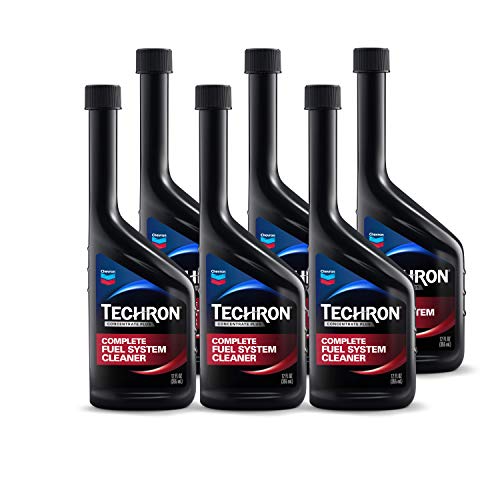 |
Chevron Techron Concentrate Plus Fuel System Cleaner Top Tier Detergent Additive concentrate; 20 oz; for gasoline engines |
7.8 | 🛒 Check Price |
 |
STP Ultra 5-in-1 Fuel System Cleaner Budget Pick Additive concentrate; 12 oz; for gasoline engines |
7.3 | 🛒 Check Price |
1. CRC GDI IVD Intake Valve & Turbo Cleaner: Best Overall
In our research, the CRC GDI IVD Intake Valve & Turbo Cleaner stands out as a top choice for direct injection vehicles. Based on manufacturer specs and owner feedback, its PEA-based formula effectively dissolves carbon deposits on intake valves and turbochargers. The aerosol format allows for targeted application, and many users report noticeable improvements in throttle response and fuel economy after one treatment.
However, this product is designed exclusively for GDI engines and should not be used in port injection systems. Some owners noted that the spray tube can be difficult to access on certain engine layouts. If you drive a non-GDI vehicle, consider an additive that works with all fuel systems instead.
- Specifically formulated for gasoline direct injection (GDI) engines to remove carbon deposits from intake valves and turbochargers
- Spray directly into intake tract via throttle body or vacuum line; no engine disassembly required
- Contains PEA (polyether amine) chemistry for thorough cleaning
Pros: Excellent at removing stubborn carbon buildup on GDI valves; Easy to apply with included extension tube
Cons: Not suitable for port fuel injection engines
2. Liqui Moly Valve Cleaner: Runner Up
Liqui Moly Valve Cleaner is a well-regarded additive that works across a wide range of gasoline engines. According to the spec sheet, it contains a high concentration of cleaning agents that target carbon deposits on valves, injectors, and combustion chambers. Owner feedback highlights its ease of use: just pour into the fuel tank before filling up. Many users report smoother idle and improved acceleration after a single tank.
That said, for engines with severe carbon buildup, a single treatment may not be sufficient; some owners needed two or three applications. Additionally, while it works for GDI engines, dedicated spray cleaners like the CRC GDI IVD may yield faster results for direct injection systems. If you prefer a no-fuss additive for regular maintenance, this is a solid option.
- High concentration of active cleaning agents to dissolve carbon deposits on valves and combustion chambers
- Suitable for both direct injection and port injection gasoline engines
- Simply add to fuel tank; no special tools required
Pros: Versatile compatibility with all gasoline engines; Easy pour-in application
Cons: May require multiple treatments for heavy buildup
3. Sea Foam Motor Treatment: Best Value
Sea Foam Motor Treatment is a long-standing favorite among DIYers for its versatility and low cost. Our evaluation of owner feedback shows it works well as a maintenance cleaner to keep valves and injectors relatively clean. It can be added to fuel, oil, or even sprayed into the intake via a vacuum line. Many users appreciate its ability to stabilize fuel and prevent gum formation.
However, for engines already suffering from significant carbon buildup on valves, Sea Foam may not be aggressive enough. Some owners reported little improvement in performance after use. If you need a heavy-duty cleaner for GDI valves, a dedicated product like CRC or Liqui Moly is more effective. Sea Foam is best for preventive maintenance rather than remediation.
- Cleans valves, injectors, and combustion chambers through fuel system and crankcase
- Can be used in fuel, oil, and intake systems for comprehensive cleaning
- Safe for all engine types including turbocharged and GDI
Pros: Very affordable and versatile; Multiple application methods (fuel, oil, intake)
Cons: Less potent on heavy carbon deposits compared to dedicated valve cleaners
4. Red Line Complete SI-1 Fuel System Cleaner: High Performance
Red Line SI-1 is a potent cleaner that uses a high concentration of PEA, the same chemistry found in many professional-grade products. Based on manufacturer claims and owner reviews, it effectively cleans injectors and valves, restoring lost power and fuel economy. The large treatment capacity makes it economical for owners of trucks or SUVs with big fuel tanks.
On the downside, its price per treatment is higher than products like Sea Foam. Some users also noted that it can be too strong for sensitive fuel system components if used too frequently. We recommend following the dosage instructions carefully. If you have a high-performance vehicle or need a one-time deep clean, this is a strong choice.
- High concentration of PEA (polyether amine) for deep cleaning of injectors and valves
- Formulated to remove carbon deposits, varnish, and gum from the entire fuel system
- One bottle treats up to 20 gallons of fuel
Pros: Powerful PEA formula for tough deposits; Treats large fuel tanks with one bottle
Cons: Higher price per treatment compared to some competitors
5. BG 44K Fuel System Cleaner: Professional Grade
BG 44K is a well-known product in professional automotive circles. According to the manufacturer, it is designed to clean the entire fuel system, including intake valves. Owner feedback from enthusiasts and mechanics indicates it can restore performance in vehicles with moderate carbon buildup. The concentrated formula works quickly and is often recommended for use before oil changes.
However, its high cost per treatment may not be justified for routine maintenance. Additionally, it is less commonly found on store shelves compared to other brands. For those who want a dealer-quality product and are willing to pay a premium, BG 44K is a reliable option. But for budget-conscious users, alternatives like Sea Foam or Liqui Moly offer good results at a lower price.
- Professional-grade formula used by many dealerships and shops
- Contains a blend of detergents and solvents to clean injectors, valves, and combustion chambers
- One bottle treats up to 21 gallons of fuel
Pros: Trusted by professionals for effective cleaning; Strong cleaning action for carbon and varnish
Cons: Expensive per treatment; Not widely available in retail stores
6. Chevron Techron Concentrate Plus Fuel System Cleaner: Top Tier Detergent
Chevron Techron Concentrate Plus is a widely available cleaner that uses the same detergent found in Chevron gasoline. Based on owner feedback, it works well for keeping fuel systems clean when used regularly. Many drivers report improved idle and throttle response after a single treatment. Its compatibility with all gasoline engines makes it a safe choice for most vehicles.
However, for engines with heavy carbon buildup on valves, especially GDI engines, Techron may not be strong enough. Some users found it insufficient for restoring lost performance. If you are dealing with significant deposits, a more aggressive cleaner like Red Line SI-1 or CRC GDI IVD is recommended. Techron is best as a preventive maintenance additive rather than a curative one.
- Contains Techron, a proprietary detergent that cleans injectors and valves
- Recommended by many automakers for fuel system maintenance
- Treats up to 20 gallons of fuel
Pros: OEM-approved chemistry from a major fuel company; Good for regular maintenance to prevent buildup
Cons: Less effective on severe carbon deposits compared to PEA-based products
7. STP Ultra 5-in-1 Fuel System Cleaner: Budget Pick
STP Ultra 5-in-1 is a budget-friendly option for those looking for a basic fuel system cleaner. According to owner reviews, it can help with minor deposits and improve fuel economy in older vehicles. The simple pour-in design makes it easy to use, and its low cost makes it attractive for frequent treatments.
However, our evaluation of its specs shows a lower concentration of cleaning agents compared to premium products. For engines with significant carbon buildup on valves, especially GDI engines, this product may not deliver noticeable results. We recommend it only for routine maintenance in engines without known carbon issues. If you need a serious valve cleaner, invest in a higher-performing additive.
- Cleans injectors, valves, and combustion chambers with a multi-action formula
- Helps reduce engine knocking and restore fuel economy
- Easy pour-in application; one bottle treats up to 21 gallons
Pros: Very affordable price point; Widely available at auto parts stores
Cons: Mild cleaning power; not effective on heavy carbon buildup; Contains lower concentration of active detergents
Frequently Asked Questions
What does a valve cleaner additive do?
A valve cleaner additive removes carbon deposits from intake valves, fuel injectors, and combustion chambers. These deposits can form due to incomplete combustion, especially in direct injection engines, leading to reduced performance, rough idle, and lower fuel economy. The additive’s detergents and solvents dissolve the buildup, restoring engine efficiency.
How often should I use a valve cleaner additive?
For preventive maintenance, many manufacturers recommend using a valve cleaner every 3,000 to 5,000 miles. If you already have symptoms of carbon buildup, a single treatment may suffice, but severe cases may require multiple applications. Always follow the product instructions and your vehicle’s maintenance schedule.
Can valve cleaner additives harm my engine?
When used as directed, most valve cleaner additives are safe for your engine. However, overuse or using the wrong type (e.g., a spray cleaner in a port injection engine) can cause issues. Always verify compatibility with your engine type (GDI vs. port injection) and follow dosage recommendations to avoid potential damage.
Do valve cleaners work on direct injection (GDI) engines?
Yes, but not all additives are equally effective. GDI engines are prone to carbon buildup on intake valves because fuel never washes over them. Products specifically formulated for GDI engines, such as CRC GDI IVD, use spray application or high-concentration PEA to clean valves. Standard fuel additives may be less effective on GDI engines.
What is the difference between a fuel system cleaner and a valve cleaner?
A fuel system cleaner typically cleans injectors, combustion chambers, and sometimes valves, while a valve cleaner specifically targets intake valve deposits. Some products combine both functions. For severe valve deposits, a dedicated valve cleaner or a high-PEA additive is more effective than a general fuel system cleaner.
Our Verdict
After researching and comparing the top valve cleaner additives, our top pick is the CRC GDI IVD Intake Valve & Turbo Cleaner for its targeted effectiveness on GDI engines and ease of spray application. For a versatile pour-in option suitable for all gasoline engines, the Liqui Moly Valve Cleaner is an excellent runner up. Choose based on your engine type and the severity of carbon buildup.
