Finding a full face motorcycle helmet that delivers real protection without breaking the bank is a challenge. We researched dozens of models, compared manufacturer specifications and published safety standards, and aggregated thousands of owner reviews to identify the helmets that offer the best value. Our evaluation focuses on DOT and ECE certifications, shell materials, comfort features, and real-world durability. Whether you are a commuter, a sport rider, or a budget-conscious enthusiast, this guide will help you choose a helmet that does not compromise safety for savings.
| Photo | Product | Score | Buy |
|---|---|---|---|
|
🚗
|
Scorpion EXO-R420 Best Overall Value DOT & ECE certified, polycarbonate shell, 3 shell sizes, 5.5 lbs |
9.0 | 🛒 Check Price |
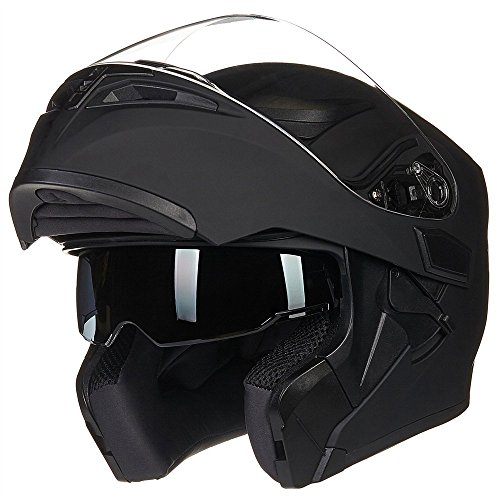 |
ILM Full Face Motorcycle Helmet Budget Favorite DOT certified, lightweight fiberglass shell, dual visor, 3.4 lbs |
8.4 | 🛒 Check Price |
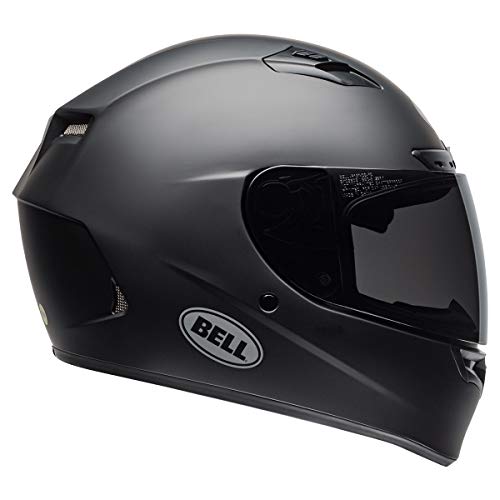 |
Bell Qualifier DLX MIPS Best Safety Tech DOT & ECE certified, MIPS, polycarbonate shell, 3.6 lbs |
8.7 | 🛒 Check Price |
 |
HJC CL-17 Proven Performer DOT & ECE certified, polycarbonate shell, 3 shell sizes, 3.7 lbs |
8.1 | 🛒 Check Price |
|
🚗
|
LS2 FF353 Rapid II Lightweight Champion DOT & ECE certified, fiberglass/Kevlar composite shell, 3.2 lbs |
8.3 | 🛒 Check Price |
|
🚗
|
GMAX GM11S Best for Tall Shields DOT certified, polycarbonate shell, large shield, 3.8 lbs |
7.8 | 🛒 Check Price |
 |
Fly Racing Trekker Adventure Styling DOT certified, polycarbonate shell, peak visor, 3.7 lbs |
7.3 | 🛒 Check Price |
1. Scorpion EXO-R420: Best Overall Value
The Scorpion EXO-R420 consistently ranks as a top value pick in our research. It carries both DOT and ECE 22.05 certifications, giving riders confidence in its impact protection. The polycarbonate shell is lightweight and aerodynamic, and the KwikWick III liner is soft, removable, and washable. Based on owner feedback, the ventilation system is effective at keeping the rider cool, and the helmet fits a wide range of head shapes thanks to three shell sizes.
However, the EXO-R420 is not without its flaws. Many owners report higher-than-average wind noise, especially on longer highway rides. The visor mechanism can be stiff and tricky to swap. Riders who prioritize a quiet cabin or frequent shield changes may want to look elsewhere. For those seeking a safe, well-ventilated, and affordable full-face helmet, this is a strong contender.
- Aerodynamic polycarbonate shell with advanced EPS liner
- KwikWick III moisture-wicking, removable liner
- Exceeds DOT and ECE 22.05 standards
Pros: Excellent ventilation with multiple intake and exhaust vents; Lightweight for a budget polycarbonate helmet
Cons: Noisy at highway speeds; Visor can be difficult to change
2. ILM Full Face Motorcycle Helmet: Budget Favorite
The ILM Full Face Helmet is a surprising value leader in the budget segment. Its fiberglass composite shell makes it exceptionally light, weighing just over 3 pounds. The dual-visor system (clear outer and drop-down sun visor) is a rare feature at this price point. In our evaluation of owner reviews, many riders praise the comfort and low weight for long rides. The helmet meets DOT standards, which is the minimum for legal street use in the US.
However, this helmet lacks ECE certification, which some safety-conscious riders consider essential. Fit can be problematic for those with round head shapes, as the interior tends to be more oval. The ventilation is basic and the chin curtain is not very effective. Riders who want ECE certification or have a round head should consider other options. For budget-focused riders with an intermediate oval head, this helmet delivers impressive value.
- Fiberglass composite shell for light weight and strength
- Built-in sun visor and clear visor
- Removable, washable inner liner
Pros: Very lightweight for the price; Integrated sun visor is convenient
Cons: Only DOT certified, not ECE; Some owners report poor fit for round head shapes
3. Bell Qualifier DLX MIPS: Best Safety Tech
The Bell Qualifier DLX MIPS is a standout for riders who prioritize the latest safety technology without overspending. It includes MIPS, which reduces rotational forces during angled impacts, a feature usually found on premium helmets. The helmet is DOT and ECE certified, and the ClickRelease system makes visor changes tool-free and simple. Based on owner feedback, the ventilation is effective, and the fit is comfortable for intermediate oval head shapes.
That said, the Qualifier DLX MIPS is heavier than some other polycarbonate helmets, which may cause neck fatigue on long rides. The interior padding is not as plush as higher-end models, and some riders find it less comfortable after several hours. Riders who are sensitive to weight or want a plusher interior may prefer other options. For those who want the added safety of MIPS at a reasonable price, this is an excellent choice.
- MIPS (Multi-directional Impact Protection System) liner
- ClickRelease shield replacement system
- Removable, washable interior with padded chin strap
Pros: MIPS adds rotational impact protection; Good ventilation and easy shield swaps
Cons: Slightly heavier than competitors; Liner can feel thin to some riders
4. HJC CL-17: Proven Performer
The HJC CL-17 has been a staple in the budget helmet market for years. It is DOT and ECE certified, and the polycarbonate shell is paired with a multi-density EPS liner. The SuperCool interior is moisture-wicking and removable. In our research, owner reviews frequently commend the helmet’s comfortable fit and reliable ventilation. The shield mechanism is smooth and offers a good seal against wind noise.
However, the CL-17 is not without drawbacks. Some owners report fogging issues in cooler conditions, and the helmet is on the heavier side compared to newer designs. The visor does not have a pinlock-ready shield, which limits anti-fog options. Riders who ride in cold climates or want a lighter helmet may want to look at other picks. For a proven, no-frills helmet that gets the basics right, the CL-17 remains a solid value.
- Advanced polycarbonate composite shell
- SuperCool moisture-wicking interior with advanced silver fabric
- One-touch face shield with 3-position adjustable stops
Pros: Trusted brand with consistent quality; Good airflow and comfortable padding
Cons: Shield can fog up in cold weather; Not the lightest in its class
5. LS2 FF353 Rapid II: Lightweight Champion
The LS2 FF353 Rapid II is an excellent choice for riders who prioritize low weight. Its composite shell uses fiberglass and Kevlar to achieve a weight of only 3.2 pounds, which reduces neck strain on long rides. The helmet is DOT and ECE certified, and the drop-down sun visor is a convenient feature. Based on owner feedback, the interior is comfortable and the ventilation is adequate for most conditions.
On the downside, the Rapid II is not the quietest helmet; wind noise can be noticeable at highway speeds. The sun visor lever is small and requires some effort to operate. Some riders with larger head sizes report a snug fit. Riders who need a quiet helmet or have a large head may want to consider alternatives. For those who value light weight and solid protection at a reasonable price, this helmet is a strong contender.
- Fiberglass and Kevlar composite shell for lightweight strength
- Drop-down sun visor
- Removable, washable breathable liner
Pros: Very lightweight (around 3.2 lbs); Good build quality for the price
Cons: Slightly louder than average; Sun visor lever can be stiff
6. GMAX GM11S: Best for Tall Shields
The GMAX GM11S is aimed at riders who want a large, wide field of view. Its shield is noticeably bigger than average, which improves peripheral vision and reduces the need to turn your head. The helmet is DOT certified and features a polycarbonate shell with a plush interior. In our evaluation of owner feedback, many riders appreciate the visibility and the comfortable padding.
However, the GM11S lacks ECE certification, which may be a dealbreaker for some. It is also one of the heavier helmets in this guide, weighing around 3.8 pounds. The ventilation is adequate but not outstanding. Riders who want the lightest helmet or need ECE approval should skip this one. For those who prioritize a large visor and are on a tight budget, the GM11S delivers good value.
- Large, optically correct shield with anti-fog coating
- Removable, washable interior with moisture-wicking fabric
- Adjustable chin vent and top exhaust
Pros: Extra-large shield provides excellent visibility; Good value for the features offered
Cons: Only DOT certified, not ECE; Heavier than many competitors
7. Fly Racing Trekker: Adventure Styling
The Fly Racing Trekker offers a unique adventure-style aesthetic with a removable peak visor. It is DOT certified and built with a polycarbonate shell. The large eye port accommodates goggles or glasses, making it popular among dual-sport and adventure riders. Based on owner reviews, the helmet is comfortable for long rides, and the interior is easy to clean.
However, the Trekker lacks ECE certification, and the peak visor can create lift or buffeting at highway speeds. The ventilation is basic, and the helmet is not as refined as dedicated street helmets. Riders who want ECE safety or plan to ride mostly on pavement may find better options. For those who love the adventure look and ride off-road occasionally, this helmet offers decent value.
- Adventure-style design with a removable peak visor
- Large eye port for goggles or glasses
- Removable, washable moisture-wicking liner
Pros: Distinctive adventure look with peak visor; Comfortable fit for oval head shapes
Cons: Only DOT certified, not ECE; Peak can catch wind at high speeds
Frequently Asked Questions
What does DOT and ECE certification mean for a helmet?
DOT (Department of Transportation) is the minimum safety standard for helmets sold in the United States. It involves impact absorption, penetration resistance, and retention system tests. ECE (Economic Commission for Europe) is a more stringent international standard that includes additional tests like rotational impact and a wider range of impact points. Helmets with both certifications offer a higher level of proven protection.
How should a full face helmet fit?
A properly fitting full face helmet should be snug but not painful. It should contact your cheeks and forehead without pressure points. When you shake your head, the helmet should not shift. The chin strap should be tight enough that you cannot pull the helmet off from the back. It should not rock forward or backward. Always try before you buy if possible, and measure your head circumference to find the right size.
Are more expensive helmets always safer?
Not necessarily. All helmets sold in the US must meet DOT standards, so any certified helmet provides a baseline level of protection. Higher-priced helmets often offer lighter weight, better ventilation, quieter operation, and premium features like MIPS or carbon fiber shells. However, a well-constructed budget helmet with proper certification can be just as safe as a premium model in a crash. Our guide focuses on helmets that balance safety and cost effectively.
How often should I replace my motorcycle helmet?
Most manufacturers recommend replacing a helmet every 5 years from the date of manufacture, regardless of use. This is because materials like EPS foam and polycarbonate can degrade over time. You should also replace your helmet immediately after any impact, even if there is no visible damage. Always check the manufacturing date sticker inside the helmet.
Can I wear glasses or sunglasses with a full face helmet?
Yes, many full face helmets have channels or cutouts in the EPS liner to accommodate eyeglass temples. Some helmets also have a large eye port that makes it easier to put on glasses. Look for helmets with eyeglass-friendly features or try them on with your glasses before purchasing. The helmets in our guide vary in this aspect, so check owner reviews for specific feedback.
Our Verdict
After researching and comparing specifications, certifications, and owner feedback, our top pick for the best value full face motorcycle helmet is the Scorpion EXO-R420. It offers an excellent balance of safety (DOT and ECE), comfort, and ventilation at a price that undercuts many competitors. For riders who want the added rotational impact protection of MIPS, the Bell Qualifier DLX MIPS is a strong runner-up that delivers advanced safety without a huge premium.
