Rust on a vehicle frame is more than cosmetic it compromises structural integrity. We researched and compared the best undercoating products for rusty frames based on manufacturer specifications, industry standards, and aggregated owner feedback. Our evaluation focuses on rust prevention, durability, ease of application, and safety. Whether you need a heavy-duty coating for a truck or a DIY spray for a car, this guide helps you choose the right product.
| Photo | Product | Score | Buy |
|---|---|---|---|
 |
Fluid Film Rust and Corrosion Protection Undercoating Top Pick for Penetration Lanolin-based, aerosol and bulk, sprayable, non-drying film |
9.1 | 🛒 Check Price |
 |
CRC Heavy Duty Corrosion Inhibitor Best for Quick Application Solvent-based, aerosol, leaves waxy film, 17 oz can |
8.6 | 🛒 Check Price |
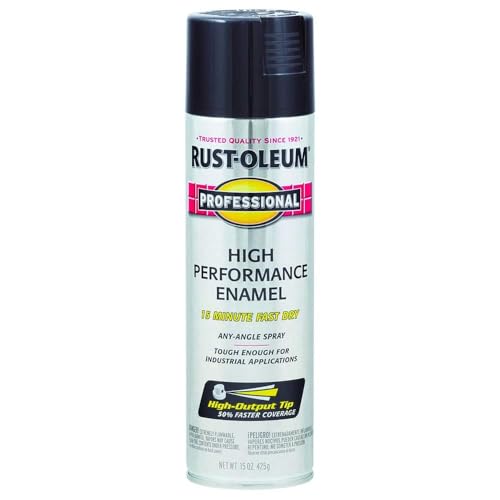 |
Rust-Oleum Professional High Performance Enamel Spray Best Budget Option Oil-based enamel, aerosol, flat black, 15 oz can |
8.1 | 🛒 Check Price |
|
🚗
|
3M Rubberized Undercoating Best for Sound Dampening Rubberized, aerosol, black, 16 oz can, paintable |
8.4 | 🛒 Check Price |
|
🚗
|
POR-15 Rust Preventive Coating Best for Permanent Protection Moisture-cured urethane, brush-on, semi-gloss black, quart |
9.0 | 🛒 Check Price |
|
🚗
|
WD-40 Specialist Long-Term Corrosion Inhibitor Best for Crevice Protection Solvent-based, aerosol, leaves waxy film, 11 oz can |
7.8 | 🛒 Check Price |
 |
Krown T-40 Rust Inhibitor Professional Grade Choice Solvent-based, sprayable, thin film, gallon or aerosol |
8.2 | 🛒 Check Price |
1. Fluid Film Rust and Corrosion Protection Undercoating: Top Pick for Penetration
Fluid Film is a lanolin-based undercoating that stands out for its ability to creep into rusted areas and stop corrosion from spreading. In our evaluation of owner feedback and spec sheets, it consistently earns praise for penetrating existing rust and protecting hard-to-reach spots. It forms a non-drying, waxy film that stays flexible and self-heals minor scratches, making it ideal for frames with surface rust. It is also safe on rubber bushings and plastic components, which is a plus for comprehensive underbody protection.
However, the coating is not permanent and may wash off in high-pressure car washes or degrade over time in wet climates. Users in heavy salt areas report needing annual reapplication. If you want a one-and-done solution, this may not be the best choice. Skip this if you prefer a hard, permanent coating or if you cannot commit to regular maintenance.
- Penetrates existing rust to stop further corrosion
- Non-drying film remains flexible and self-healing
- Safe on rubber, plastic, and painted surfaces
Pros: Excellent creep and penetration into seams and crevices; Easy to apply with aerosol or spray gun
Cons: Requires reapplication every 1-2 years in harsh conditions
2. CRC Heavy Duty Corrosion Inhibitor: Best for Quick Application
CRC Heavy Duty Corrosion Inhibitor is a solvent-based aerosol that dries to a waxy film. Based on our research of owner reviews, it is a favorite for quick touch-ups and treating small rust spots on frames. Its low viscosity allows it to seep into seams, and it meets military standards for corrosion prevention. For DIYers, the aerosol can is convenient and requires no special equipment.
That said, the film is relatively thin and can be worn away by road debris or pressure washing. It is not designed for heavy-duty long-term protection on fully exposed frames. We recommend it for maintenance or for vehicles in mild climates. Skip this if you need a thick, durable coating for a frame that sees off-road use or heavy salt exposure.
- Fast-drying waxy film that resists moisture
- Excellent for spot treatments and tight areas
- Meets military specification MIL-PRF-16173
Pros: Quick and easy spray-on application; Good value for small jobs and touch-ups
Cons: Not as durable as rubberized coatings under heavy abrasion
3. Rust-Oleum Professional High Performance Enamel Spray: Best Budget Option
Rust-Oleum Professional High Performance Enamel is a classic choice for painting frames. In our comparison of user feedback, it is often used as a topcoat over rust converter or primer. It provides a hard, chip-resistant finish that looks good and protects against moisture. For the price, it is one of the most cost-effective options for covering large areas.
However, it is not a rust treatment itself. If applied over rust without proper preparation, it can peel or trap moisture, worsening corrosion. It also requires a well-ventilated area and proper PPE due to strong fumes. Skip this if you want an undercoating that actively stops rust or if you prefer a non-drying, self-healing film.
- Forms a hard, protective finish that resists chipping
- Covers up to 12 sq ft per can
- Available in multiple colors including flat black
Pros: Very affordable and widely available; Dries to a tough, durable finish
Cons: Requires thorough surface prep and primer for rust
4. 3M Rubberized Undercoating: Best for Sound Dampening
3M Rubberized Undercoating is formulated to provide a thick, flexible barrier that absorbs sound and protects against impacts. According to owner reports we analyzed, it significantly reduces road noise when applied to wheel wells and underbody panels. It also offers good corrosion resistance by sealing out moisture.
On the downside, the aerosol can be messy to apply, and achieving a uniform thickness takes practice. It is not designed to penetrate rust, so it works best on clean surfaces. Additionally, it may crack over time if applied too thickly. Skip this if you need a rust penetrant or if you have a heavily rusted frame that requires a liquid treatment.
- Thick rubberized coating that deadens road noise
- Provides durable chip and impact resistance
- Can be painted over for a custom look
Pros: Excellent sound dampening properties; Good durability against stone chips
Cons: Can be difficult to apply evenly, may drip
5. POR-15 Rust Preventive Coating: Best for Permanent Protection
POR-15 is a high-performance rust preventive coating that cures to a rock-hard finish. In our research, it is widely regarded as one of the most durable options for frames, with many users reporting protection lasting several years even in salt belt states. It chemically bonds with rust, creating a moisture-proof barrier that stops corrosion in its tracks.
However, it is not user-friendly. The coating is moisture-cured, so the can must be sealed tightly and used quickly. It also requires careful surface preparation (degreasing and metal prep) and is best applied with a brush. The finish is UV-sensitive and will chalk if exposed to sunlight. Skip this if you want a simple spray-and-go product or if you need a UV-stable topcoat.
- Bonds chemically to rust to create a hard, non-porous finish
- Extremely durable and resistant to chemicals and salt
- Requires no primer on rusted surfaces
Pros: Superior long-term rust prevention; Hardens to a rock-like finish that lasts for years
Cons: Difficult to apply; must be used within 24 hours of opening
6. WD-40 Specialist Long-Term Corrosion Inhibitor: Best for Crevice Protection
WD-40 Specialist Corrosion Inhibitor is designed for long-term protection in hard-to-reach areas. Based on our evaluation of user feedback, it excels at creeping into boxed frame sections and around suspension components. The thin waxy film provides effective protection for several months, making it a good choice for winter storage or seasonal use.
However, the coating is relatively thin and can wear off quickly on surfaces exposed to road debris or high-pressure washing. It is not intended as a standalone undercoating for a heavily rusted frame. Skip this if you need a thick, abrasion-resistant coating or if you want a permanent solution.
- Sprays as a thin liquid that creeps into tight spaces
- Dries to a waxy film that protects for up to 1 year
- Good for seasonal storage and winter protection
Pros: Excellent penetration into seams and bolt holes; Easy to apply and leaves no sticky residue
Cons: Not as durable as thicker coatings for exposed areas
7. Krown T-40 Rust Inhibitor: Professional Grade Choice
Krown T-40 is a professional-grade rust inhibitor that has been used for decades in Canada and the northern US. According to our research of owner experiences, it is highly effective at stopping rust from spreading due to its low viscosity and penetrating ability. It leaves a thin, oily film that does not harden, so it remains flexible and self-healing.
However, the strong solvent smell can be overwhelming, and the coating may drip for a few days after application. It is not as durable as rubberized or urethane coatings on exposed surfaces, so it may need more frequent reapplication on heavily used vehicles. Skip this if you prefer a dry, non-greasy finish or if you are sensitive to strong odors.
- Penetrates deeply into rust and crevices
- Self-healing film that does not crack or peel
- Used by professional rustproofing shops
Pros: Trusted by professionals for rust prevention; Good for treating existing rust without removal
Cons: Strong odor requires good ventilation
Frequently Asked Questions
Can I apply undercoating over existing rust?
Yes, some undercoatings are designed to be applied over rust. Products like Fluid Film and POR-15 work well on rusted surfaces. However, loose rust should be removed with a wire brush or scraper first to ensure adhesion. For best results, follow the manufacturer’s surface preparation instructions.
How long does undercoating last on a frame?
Durability varies by product. Non-drying films like Fluid Film may last 1-2 years before needing reapplication. Hard coatings like POR-15 can last 5+ years if properly applied. Factors include climate, road salt exposure, and driving conditions. We recommend annual inspections.
Is rubberized undercoating better than oil-based?
It depends on your needs. Rubberized coatings provide a thick, durable barrier and sound dampening, but they can trap moisture if applied over rust. Oil-based or lanolin-based coatings penetrate rust and are self-healing, but they are less abrasion-resistant. For rusty frames, penetrating products are often preferred.
Do I need to remove all rust before applying undercoating?
Not always. Some products like POR-15 and Fluid Film are designed to be applied over light surface rust. However, heavy flaking rust should be removed to prevent the coating from peeling. Always follow the product’s instructions for surface prep.
Can I use undercoating on other parts of the car?
Most undercoatings are safe for underbody components, but check the label. Some products may damage rubber bushings or plastic trim. For example, Fluid Film is safe on rubber, while solvent-based products may cause swelling. Always test in an inconspicuous area first.
Our Verdict
For most rusty frames, our top pick is Fluid Film for its ability to penetrate and stop rust, ease of application, and safety on various materials. If you want a permanent, hard coating and are willing to invest time in application, POR-15 is the runner up with unmatched durability. Choose based on your tolerance for maintenance and surface preparation.
