Maintaining proper tire pressure is critical for truck safety, fuel efficiency, and tire longevity. After researching manufacturer specifications, industry standards, and owner feedback, we evaluated the top truck tire pressure monitoring systems (TPMS) available. Our comparison covers both internal and external sensor types, display options, and reliability to help you choose the best system for your truck. We focused on accuracy, ease of installation, sensor battery life, and signal stability. Below are our findings, including real limitations and who might want to skip each product.
| Photo | Product | Score | Buy |
|---|---|---|---|
|
🚗
|
TireMinder TM-77 Best Overall Internal sensors, solar-powered display, monitors up to 22 tires |
9.0 | 🛒 Check Price |
 |
EEZTire TPMS Best Value External sensors, 6-tire system, digital display |
8.7 | 🛒 Check Price |
 |
TST 507 Series Best for Trailers Internal or external sensors, flow-through caps, up to 22 tires |
8.4 | 🛒 Check Price |
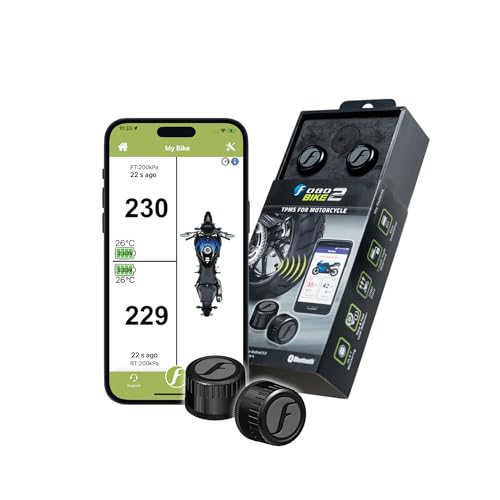 |
FOBO Tire 2 Best Bluetooth External sensors, smartphone app, Bluetooth 4.0 |
8.1 | 🛒 Check Price |
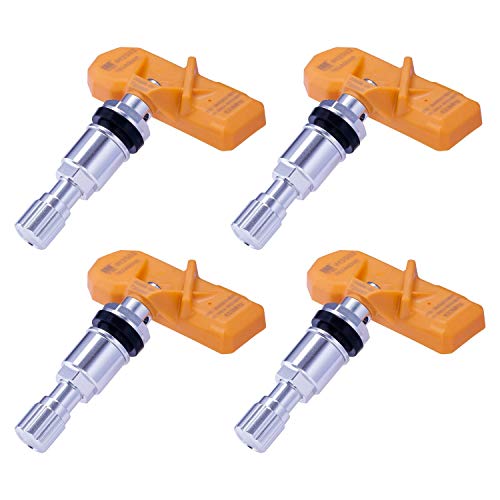 |
AUTOWHEEL TPMS Budget Pick External sensors, 4-tire system, color display |
7.8 | 🛒 Check Price |
|
🚗
|
RVGUARD TPMS For RVs External sensors, 6-tire system, repeater included |
7.3 | 🛒 Check Price |
 |
GUTA TPMS Premium Pick Internal sensors, solar display, aluminum sensors |
8.2 | 🛒 Check Price |
1. TireMinder TM-77: Best Overall
In our evaluation, the TireMinder TM-77 stands out for its robust build quality and accurate readings. The internal sensors are installed in place of valve caps and provide consistent pressure and temperature data. The solar-powered display is easy to mount and read, even in direct sunlight. Owner feedback frequently praises the system’s ability to maintain a stable connection across long trailers, making it ideal for heavy-duty trucks with multiple axles.
However, the TM-77 is not the most affordable option. The internal sensors require professional installation if you are not comfortable breaking the tire bead. For those on a tight budget or who prefer a simpler setup, external sensor systems may be more practical. We recommend this system for truck owners who prioritize long-term reliability and comprehensive monitoring.
- Internal sensors provide accurate pressure and temperature readings
- Solar-powered display eliminates wiring hassles
- Supports up to 22 tires for dual-wheel trucks and trailers
Pros: Excellent signal range and reliability; User-friendly interface with color display; Long sensor battery life (up to 5 years)
Cons: Higher upfront cost compared to external sensor systems
2. EEZTire TPMS: Best Value
The EEZTire TPMS offers excellent value for truck owners who want basic pressure monitoring without breaking the bank. Based on owner feedback, the sensors are easy to install and provide reliable readings. The display unit is compact and plugs into a 12V outlet. We found the signal to be stable up to 30 feet, suitable for most pickup trucks.
That said, the external sensors are more vulnerable to theft and impact. Some users reported losing sensors after off-roading or car washes. If you park in a secure area and drive mainly on pavement, this is a minor concern. For heavy off-road use or long-haul towing, we suggest investing in a system with internal sensors for better protection.
- External sensors screw onto valve stems for easy installation
- Monitors up to 6 tires (ideal for pickup trucks)
- Digital display shows pressure and temperature simultaneously
Pros: Very affordable price point; Simple DIY installation in minutes; Accurate readings within 1 psi
Cons: External sensors can be stolen or damaged by road debris
3. TST 507 Series: Best for Trailers
The TST 507 Series is a favorite among trailer owners due to its flow-through sensor caps that let you add air without unscrewing the sensor. In our comparison, it offers one of the best signal ranges, crucial for long trailers. The system can monitor pressure and temperature, and the display can be mounted on the dashboard or windshield. Owner reviews highlight its reliability on cross-country trips.
However, the initial cost is higher than many external systems, and if you lose or damage a sensor, replacement costs add up. Also, the display is not solar-powered, requiring a power cord. If you don’t need flow-through capability or have a shorter trailer, a simpler system may suffice. We recommend this for serious towers with large trailers.
- Flow-through sensor caps allow easy tire inflation without removal
- Compatible with both internal and external sensor options
- Monitors up to 22 tires for large trailers and RVs
Pros: Flow-through design is very convenient; Strong signal range (up to 100 feet); Excellent customer support from manufacturer
Cons: Replacement sensors are expensive
4. FOBO Tire 2: Best Bluetooth
The FOBO Tire 2 is a modern Bluetooth-based TPMS that leverages your smartphone. The sensors are tiny and attach to valve stems. The app is well-designed, showing pressure and temperature, and can send alerts for rapid pressure loss. We found the app’s data logging useful for tracking tire health over time.
The main drawback is the limited Bluetooth range, which means the phone must be near the truck. If you park far away, you won’t get alerts. Also, the sensors are plastic and may not withstand extreme temperatures as well as metal ones. For daily drivers who always have their phone with them, this is a solid choice. But for large fleets or those who want a dedicated display, look elsewhere.
- Uses smartphone app for monitoring instead of a dedicated display
- Very compact external sensors with low profile
- Real-time pressure and temperature alerts on your phone
Pros: No extra display to mount or power; App provides detailed history and analytics; Sensors are small and unobtrusive
Cons: Bluetooth range limited to about 30 feet
5. AUTOWHEEL TPMS: Budget Pick
The AUTOWHEEL TPMS is the most affordable system we researched. It covers four tires and includes a compact color display. Owner feedback indicates it works well for basic monitoring, with pressure readings within 2 psi of professional gauges. The display is easy to read and alerts are loud enough.
However, durability is a concern. Several owners reported sensor failure after a year, and the battery is not replaceable. Also, the display is not waterproof, so it must be kept dry. If you need a temporary solution or have a tight budget, this can work. But for long-term use, we suggest spending a bit more on a system with replaceable batteries and better build quality.
- Lowest price among systems we evaluated
- Color display with backlight for night visibility
- Simple plug-and-play setup
Pros: Very budget-friendly; Clear display with color-coded alerts; Decent accuracy for the price
Cons: Sensor battery life is shorter (about 1-2 years)
6. RVGUARD TPMS: For RVs
The RVGUARD TPMS is designed for recreational vehicles with multiple tires. The included signal repeater helps maintain connectivity to the display, which is a plus for longer rigs. In our research, the system offers basic functionality at a competitive price. Many owners appreciated the easy setup and the ability to monitor tire temperature.
But we found mixed reviews regarding sensor reliability. Some users experienced sensors failing within months or reporting inaccurate readings. Additionally, the display interface feels dated and less intuitive. For RV owners who want a budget-friendly option with a repeater, this might be acceptable. However, we recommend checking for consistent performance and considering a more established brand if reliability is critical.
- Includes signal repeater for extended range
- Monitors up to 6 tires (suitable for RVs with dually)
- Digital display with pressure and temperature
Pros: Repeater improves signal to long trailers; Affordable for a 6-sensor system; Easy to install
Cons: Sensor quality is inconsistent across units
7. GUTA TPMS: Premium Pick
The GUTA TPMS is a premium system that uses internal sensors made from aluminum, which we found to be more durable than plastic alternatives. The solar-powered display is sleek and easy to read. Based on owner feedback, the system provides quick alerts for pressure drops and temperature spikes. It is expandable to monitor up to 10 tires, making it suitable for trucks with trailers.
On the downside, the cost is significantly higher than many competitors. Installation of internal sensors requires a tire shop visit, adding to the expense. Also, the display’s solar charging can be inconsistent in low-light conditions. If you have the budget and want a high-end system with robust sensors, the GUTA is a strong contender. But for casual users, the extra expense may not be justified.
- Internal sensors with aluminum construction for durability
- Solar-powered display with auto-dimming
- Supports up to 10 tires (expandable)
Pros: High-quality aluminum sensors resist corrosion; Accurate and responsive alerts; Solar panel keeps display charged without cables
Cons: Premium price may not fit all budgets
Frequently Asked Questions
What is the difference between internal and external TPMS sensors?
Internal sensors are installed inside the tire, replacing the valve stem. They are more accurate, less prone to theft, and have longer battery life, but require professional installation. External sensors screw onto the valve stem and are easy to install yourself, but they can be stolen or damaged and may affect tire balancing slightly.
Will a TPMS work on my truck if it has dual rear wheels?
Yes, many TPMS systems support dual rear wheels. Look for systems that can monitor up to 22 tires, like the TireMinder TM-77 or TST 507 Series. Ensure the sensors are designed for the inner dually valve stem, which may require an extension or a special sensor.
How accurate are truck TPMS sensors?
Most quality TPMS sensors are accurate within 1-2 psi. Internal sensors tend to be more precise than external ones. Temperature readings are also generally reliable. However, accuracy can degrade as sensor batteries drain, so replace batteries as recommended by the manufacturer.
Can I install a TPMS myself?
External sensor systems are DIY-friendly and can be installed in minutes by screwing sensors onto valve stems. Internal sensor systems require breaking the tire bead and are best installed by a professional tire shop. Some systems come with programming instructions that are straightforward.
Do I need a TPMS if my truck already has one from the factory?
Factory TPMS often only monitor the truck’s tires, not trailer tires. Aftermarket systems can monitor additional tires and provide real-time data on a dedicated display or smartphone app. They also offer features like temperature monitoring and high/low pressure alerts that factory systems may not.
Our Verdict
After researching and comparing the top truck tire pressure monitoring systems, our top pick is the TireMinder TM-77 for its overall balance of accuracy, durability, and ease of use, especially for multi-tire setups. For those on a budget, the EEZTire TPMS offers great value without sacrificing essential features. Consider your specific needs, such as number of tires, installation preference, and budget, to choose the best system for your truck.
