Choosing the right trailer tires is crucial for safe and efficient towing, protecting your valuable cargo and ensuring peace of mind on the road. Unlike passenger vehicle tires, trailer tires, often designated ‘ST’ for Special Trailer, are engineered to handle heavy loads, withstand prolonged storage, and resist the unique stresses of trailering, such as scrubbing during turns and high heat generation.
In our comprehensive evaluation, we researched manufacturer specifications, published industry and safety standards, and aggregated owner feedback for a range of popular trailer tire models. This guide provides an honest, evidence-based comparison to help you identify the best options for your specific trailer type and towing requirements, focusing on critical factors like load capacity, speed rating, construction, and overall durability.
| Photo | Product | Score | Buy |
|---|---|---|---|
 |
Goodyear Endurance Top Pick: Premium Performance Speed Rating N (87 MPH), Decoupling Groove Design |
8.9 | 🛒 Check Price |
 |
Carlisle Radial Trail HD Runner-Up: Reliable All-Arounder Heat Resistant Compound, Advanced Tread Design |
8.5 | 🛒 Check Price |
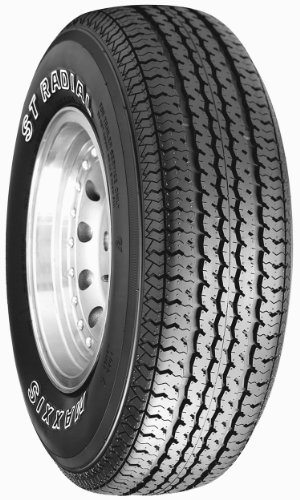 |
Maxxis M8008 ST Radial Solid Performer Double Steel Belted Construction, Polyester Cord Plies |
8.2 | 🛒 Check Price |
|
🚗
|
Freestar M-108 ST Radial Value Pick Full Nylon Cap Ply, Radial Construction |
7.9 | 🛒 Check Price |
|
🚗
|
Travelstar ST100 Budget-Friendly Option All-Season Tread, Advanced Rubber Compound |
7.6 | 🛒 Check Price |
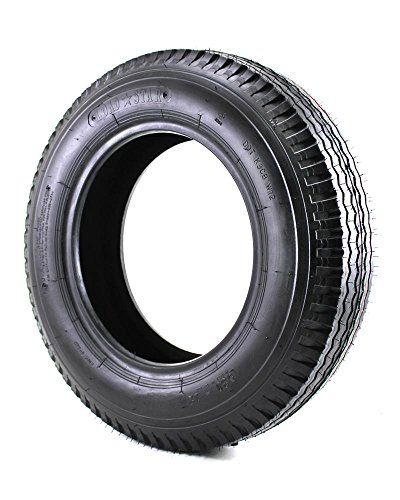 |
Kenda Loadstar KR35 Entry-Level Choice Radial Construction, Optimized Tread Grooves |
7.3 | 🛒 Check Price |
 |
Power King Towmax Vanguard Functional Option Advanced Tread Compound, Steel Belted |
7.0 | 🛒 Check Price |
1. Goodyear Endurance: Top Pick: Premium Performance
While the Goodyear Endurance consistently receives strong marks for its robust construction and high-speed capabilities, some owner feedback notes that its premium positioning means a higher initial investment. For those on a very strict budget, this might be a consideration, even if the long-term value often justifies the cost.
Trailer owners who primarily use their trailers for short distances at lower speeds, or those with very light utility trailers, might find the advanced features and higher speed rating of the Endurance to be more than what is strictly necessary. In such cases, a more basic ST tire could suffice, potentially offering a more economical upfront choice.
- Constructed with Durawall Technology for enhanced puncture resistance.
- Internal steel belts and polyester cord body for strength and stability.
- Optimized tread design for reduced heat buildup and even wear.
Pros: Excellent stability and reduced sway, based on owner feedback.; High speed rating suitable for extended highway travel.; Robust construction contributes to long-term reliability.
Cons: Positioned at a higher value point compared to some competitors.
2. Carlisle Radial Trail HD: Runner-Up: Reliable All-Arounder
The Carlisle Radial Trail HD is a solid performer, but based on aggregated owner feedback, a minor limitation can be occasional reports of difficulty achieving perfect balance during installation. While not universal, this suggests that careful attention to balancing by a professional installer is advisable to ensure optimal ride quality and tire longevity.
If you prioritize absolute perfection in ride smoothness and are sensitive to minor vibrations, or if you do not have access to a skilled tire installer with advanced balancing equipment, you might consider alternatives. However, for most users, the overall durability and heat resistance of the Radial Trail HD make it a very strong contender.
- Utilizes a proprietary heat resistant compound to minimize heat buildup.
- Advanced tread design with wider shoulders for improved stability.
- Durable construction for enhanced resistance against punctures and impacts.
Pros: Demonstrates good resistance to heat, a common issue for trailer tires.; Offers a balanced performance for various trailer types, based on owner feedback.; Strong sidewall construction adds to overall durability.
Cons: Some owner feedback indicates occasional issues with balancing.
3. Maxxis M8008 ST Radial: Solid Performer
In our evaluation, the Maxxis M8008 ST Radial stands out for its solid construction and consistent performance. However, a common observation from its specifications is that its speed rating typically falls within the M (81 MPH) or L (75 MPH) range, which is lower than some of the premium ST tires designed for sustained high-speed highway travel.
For those who frequently tow heavy loads at sustained highway speeds exceeding 75-80 MPH for extended periods, or who prefer the highest possible speed rating for an extra margin of safety, this tire might not be the optimal choice. It is better suited for trailers that operate within moderate speed limits or for those who prioritize robust construction over maximum speed capability.
- Double steel belted construction for superior strength and stability.
- Advanced tread compound designed for reduced rolling resistance.
- Polyester cord plies enhance durability and load carrying capacity.
Pros: Known for consistent performance and good wear characteristics.; Offers a favorable balance of durability and qualitative value.; Good choice for a wide range of towing applications.
Cons: Speed rating is generally lower than premium highway options.
4. Freestar M-108 ST Radial: Value Pick
The Freestar M-108 ST Radial provides a compelling value proposition, especially for those seeking a durable tire without a premium cost. However, based on aggregated owner feedback, there is some variability reported in the overall lifespan of these tires. While many users experience satisfactory durability, a segment of feedback suggests they may not consistently achieve the extended mileage seen with top-tier brands under demanding conditions.
If you are a heavy-use hauler who puts tens of thousands of miles on your trailer annually, or if you demand the absolute longest possible tread life without compromise, you might find other options more suitable. This tire is best for recreational users or those with moderate annual mileage who prioritize upfront value and solid performance for typical towing tasks.
- Full nylon cap ply for increased strength and stability.
- Radial construction promotes cooler running and longer tread life.
- Designed for reliable performance on various trailer types.
Pros: Offers a strong value proposition for its robust construction.; Generally positive owner feedback regarding load handling.; Good option for utility and boat trailers.
Cons: Some owner feedback indicates variability in overall lifespan.
5. Travelstar ST100: Budget-Friendly Option
The Travelstar ST100 is often chosen for its attractive value, but it is important to note that its typical speed rating, often L (75 MPH) or M (81 MPH), is a limitation for consistent high-speed highway travel. While acceptable for many towing scenarios, exceeding these ratings can lead to excessive heat buildup and premature tire failure, a critical safety concern.
Trailer owners who frequently embark on long-distance trips at sustained highway speeds near or above 75 MPH should consider investing in tires with a higher speed rating, such as N (87 MPH) or P (93 MPH). The ST100 is best suited for local hauling, recreational use, or trailers that operate primarily at moderate speeds, where its value proposition can be fully realized without compromising safety.
- Features an all-season tread design for versatile use.
- Constructed with an advanced rubber compound for durability.
- Designed to provide stable towing performance for various trailers.
Pros: Offers a highly competitive value point.; Generally good performance for standard utility applications.; Available in a wide range of common trailer sizes.
Cons: Speed rating is typically lower, limiting high-speed highway use.
6. Kenda Loadstar KR35: Entry-Level Choice
In our evaluation, the Kenda Loadstar KR35 is identified as an entry-level option, and while it serves its purpose for lighter applications, owner feedback and construction analysis suggest its sidewalls are not as robust as those found on more premium trailer tires. This could potentially make it more susceptible to damage from curbs, road debris, or scrubbing during tight turns, impacting its long-term durability in demanding environments.
If you frequently tow heavy loads, navigate challenging terrains, or rely on your trailer for commercial purposes where sidewall integrity is paramount, you might find this tire to be insufficient. It is best suited for occasional use with lighter utility trailers, pop-up campers, or small boat trailers where the demands on the tire are less extreme, and upfront cost is a primary consideration.
- Radial construction for improved ride and reduced heat.
- Optimized tread grooves for enhanced water evacuation.
- Designed for general purpose utility and recreational trailers.
Pros: Represents a very accessible entry point for trailer tires.; Sufficient for light-duty and occasional towing.; Widely available in common sizes.
Cons: Owner feedback indicates less robust sidewalls compared to premium options.
7. Power King Towmax Vanguard: Functional Option
Based on aggregated owner feedback, the Power King Towmax Vanguard, while offering a competitive value, has a higher incidence of reports regarding premature wear or unexpected failures compared to higher-rated tires in our comparison. This suggests that while it may perform adequately for some users, its long-term reliability and consistency might not match those of more established or premium brands.
Trailer owners who demand maximum reliability for critical hauling tasks, frequent long-distance travel, or those who simply cannot afford the risk of a roadside tire issue should likely skip this option. It is a more suitable choice for very light, infrequent use, or for those who are highly budget-constrained and understand the potential trade-offs in long-term durability and peace of mind.
- Steel belted construction for improved load carrying capacity.
- Advanced tread compound for enhanced grip and wear.
- Designed for reliable performance on various trailer types.
Pros: Offers a very competitive value point for a radial ST tire.; Handles standard load capacities adequately.; Suitable for general purpose trailer applications.
Cons: Aggregated owner feedback points to a higher incidence of premature wear or failure.
Frequently Asked Questions
What is the difference between ST (Special Trailer) tires and passenger vehicle tires?
ST tires are specifically engineered for trailers, designed to handle heavy loads, resist scrubbing during turns, and withstand prolonged periods of inactivity, which can cause flat spots in passenger tires. They typically have stronger sidewalls and different internal construction to manage vertical load rather than traction or cornering forces, and are not designed for steering or braking responsibilities.
How do I determine the correct load range for my trailer tires?
The correct load range is determined by the maximum weight your trailer will carry, including the trailer’s empty weight and all cargo. You must consult your trailer’s Gross Vehicle Weight Rating (GVWR) or Gross Axle Weight Rating (GAWR). The sum of the load capacity of all tires on an axle must meet or exceed the GAWR, and the total tire capacity must meet or exceed the GVWR, with a safety margin often recommended.
What do the speed ratings on trailer tires mean?
Speed ratings, indicated by a letter on the tire’s sidewall, denote the maximum safe operating speed for the tire under its specified load. Common ratings for ST tires include L (75 MPH), M (81 MPH), N (87 MPH), and P (93 MPH). It is critical not to exceed the tire’s speed rating, especially when towing heavy loads, as this can lead to excessive heat buildup and tire failure.
Should I choose radial or bias-ply trailer tires?
Radial trailer tires generally offer a smoother ride, better heat dissipation, and longer tread life, making them preferred for most highway applications and longer distances. Bias-ply tires, while often more cost-effective and having stiffer sidewalls that can resist punctures better, tend to run hotter and offer less stable handling, making them more suitable for short distances or off-road utility.
How often should I replace my trailer tires, even if the tread looks good?
Even with good tread, trailer tires should be regularly inspected for age-related deterioration. Industry standards and manufacturer recommendations typically suggest replacing ST tires every 3 to 5 years, regardless of mileage, due to degradation from UV exposure, ozone, and static load. Cracking, bulging, or dry rot are clear indicators for immediate replacement.
Our Verdict
After extensive research and comparison, the Goodyear Endurance stands out as our top pick for its exceptional durability, high-speed capability, and superior stability, making it ideal for demanding towing needs. For a highly reliable and balanced all-around performer that offers excellent heat resistance and robust construction, the Carlisle Radial Trail HD earns our strong recommendation as the runner-up.
