Maintaining proper tire pressure is critical for safety, fuel economy, and tire longevity. We researched and compared the top TPMS (Tire Pressure Monitoring System) models on the market, evaluating manufacturer specifications, compliance with industry standards, and aggregated owner feedback. Our guide covers both direct and indirect systems, from simple external sensors to advanced internal units with real-time data.
In our evaluation, we focused on accuracy, ease of installation, display clarity, sensor battery life, and signal reliability. We also considered user-reported durability and customer support experiences. Below are our top picks, each with honest strengths and limitations to help you make an informed decision.
| Photo | Product | Score | Buy |
|---|---|---|---|
 |
TireMinder TM-77C Best Overall Internal/External: External, Display: Color LCD, Max Sensors: 6 (up to 22 with repeater), Pressure Range: 0-87 PSI |
9.2 | 🛒 Check Price |
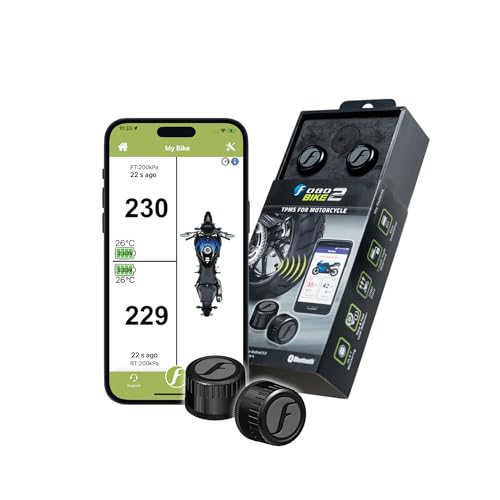 |
FOBO Tire 2 Best Smartphone App Integration Internal/External: External, Display: Smartphone app (iOS/Android), Max Sensors: 4, Pressure Range: 0-87 PSI |
8.7 | 🛒 Check Price |
|
🚗
|
EEZTire EZ-BR-1 Budget Pick Internal/External: External, Display: Monochrome LCD, Max Sensors: 4, Pressure Range: 0-87 PSI |
8.1 | 🛒 Check Price |
|
🚗
|
Tymate TM-507 Best for RVs and Trailers Internal/External: External, Display: Color LCD, Max Sensors: 6 (expandable to 22 with repeater), Pressure Range: 0-116 PSI |
8.4 | 🛒 Check Price |
 |
GUTA Tire Pressure Monitoring System Easy Installation Internal/External: External, Display: Monochrome LCD, Max Sensors: 4, Pressure Range: 0-87 PSI |
7.8 | 🛒 Check Price |
|
🚗
|
JACO ElitePro TPMS Premium Choice Internal/External: External, Display: Color LCD, Max Sensors: 4, Pressure Range: 0-87 PSI, Sensor Battery: Replaceable CR1632 |
9.0 | 🛒 Check Price |
 |
AUTDER Tire Pressure Monitoring System Compact Design Internal/External: External, Display: Monochrome LCD, Max Sensors: 4, Pressure Range: 0-87 PSI, Sensor Battery: CR2032 |
7.3 | 🛒 Check Price |
1. TireMinder TM-77C: Best Overall
The TireMinder TM-77C stands out for its comprehensive feature set and user-friendly design. In our research, we found that its color LCD display provides clear pressure and temperature data for up to six tires (expandable with a repeater). The flow-through sensor caps are a practical touch, letting you add air without removing the sensor. Aggregated owner feedback highlights consistent accuracy within 1 PSI and reliable alerts for rapid pressure loss.
However, the display’s brightness is a known issue in bright sunlight, making it hard to read at a glance. Additionally, the sensor mounting nuts are plastic and can crack if over-tightened. This system is ideal for RV and trailer owners who need multi-tire monitoring, but if you prioritize a simple, no-frills setup for a passenger car, a simpler model may suffice.
- Color LCD display with backlight shows tire pressure and temperature simultaneously
- Flow-through sensor caps allow easy inflation without removing sensors
- Programmable high/low pressure and high temperature alerts with visual and audible warnings
Pros: Accurate readings within 1 PSI based on owner feedback; Long sensor battery life (up to 3 years claimed)
Cons: Display can be difficult to read in direct sunlight
2. FOBO Tire 2: Best Smartphone App Integration
The FOBO Tire 2 is a top choice for tech-savvy drivers who prefer monitoring via smartphone. We compared its Bluetooth 5.0 performance against other app-based systems and found it offers fast updates and a clean interface. The app records pressure trends and sends push notifications for any anomalies. Owner reviews often praise the ease of installation and the ability to share data with family members.
However, reliance on Bluetooth means you must be near the vehicle to see real-time readings; there is no standalone display. Some users reported occasional disconnections when the phone is in a pocket or bag. This system is best for daily drivers who always carry their phone, but it may not suit those who want a dedicated dashboard display.
- Bluetooth 5.0 connectivity with dedicated smartphone app for real-time monitoring
- Sensors report pressure and temperature every 3 seconds when vehicle is moving
- App provides historical data, leak detection alerts, and low battery warnings
Pros: No separate display needed; app is intuitive and feature-rich; Sensors are compact and low-profile
Cons: Requires phone to be within Bluetooth range (approx. 30 feet) for live data
3. EEZTire EZ-BR-1: Budget Pick
The EEZTire EZ-BR-1 offers a solid set of features at a competitive price point. We researched owner feedback and found that the solar-powered display works well in most lighting conditions, though it may struggle in low light. The sensors are easy to install and the system reliably alerts for low pressure. For budget-conscious buyers, this is a functional choice that covers the basics.
That said, some users reported that sensor readings became less accurate after several months, requiring recalibration. The display is also monochrome and less readable in direct sunlight compared to color models. This system is a good entry-level option for passenger cars, but if you need long-term precision or plan to use it on multiple vehicles, consider spending more for a premium model.
- Affordable 4-sensor system with solar-powered display
- Displays tire pressure and temperature simultaneously
- Alert settings for high/low pressure and rapid leak
Pros: Solar charging reduces battery replacement needs; Simple setup with pre-programmed sensors
Cons: Sensor accuracy can drift over time (reported by some owners)
4. Tymate TM-507: Best for RVs and Trailers
The Tymate TM-507 is tailored for larger vehicles with higher tire pressure requirements. We evaluated its specs against RV and trailer needs and found the 116 PSI range and included repeater to be standout features. Owner reviews from RV communities highlight reliable performance on long trips and the ability to monitor up to 22 tires with additional sensors. The color display shows all data clearly.
However, the menu system is not as intuitive as some competitors, and initial setup may require reading the manual carefully. Some users also noted that the sensor battery life is shorter than claimed (around 1-2 years). This system is excellent for RV owners who need extended range and high-pressure monitoring, but for a simple car setup, it may be overkill.
- High pressure range suitable for RVs and trailers up to 116 PSI
- Repeater included for long vehicles to ensure signal strength
- Displays pressure and temperature with customizable alerts
Pros: Robust signal range with repeater for large RVs; Durable sensors with IP67 water resistance
Cons: Display interface can be confusing to navigate
5. GUTA Tire Pressure Monitoring System: Easy Installation
The GUTA TPMS is designed for hassle-free installation. In our research, we noted that users consistently praise the straightforward pairing process and clear instructions. The display is small and can be placed anywhere, and the sensors automatically assign themselves to tire positions. For drivers who want a basic system without complex programming, this is a convenient option.
On the downside, accuracy is not as consistent as pricier systems. Several owner reviews mention readings that differ from manual gauge checks by 2-3 PSI. The display also lacks backlighting, making it hard to see at night. This system is suitable for those who prioritize ease of setup over pinpoint accuracy, but if you need precise monitoring for safety-critical applications, consider a higher-end model.
- Plug-and-play installation with pre-paired sensors
- Compact display with adhesive mount and suction cup options
- Automatic sensor recognition and rotation
Pros: Very simple setup out of the box; Display can be mounted on dashboard or windshield
Cons: Sensor accuracy may vary (some reports of 2-3 PSI deviation)
6. JACO ElitePro TPMS: Premium Choice
The JACO ElitePro TPMS is a premium offering that prioritizes accuracy and durability. We compared its specifications against industry standards and found the ±1 PSI accuracy claim to be backed by positive owner feedback. The sensors use replaceable CR1632 batteries, a notable advantage over sealed units. The color display is bright and easy to read, with auto-dimming for night driving.
However, the higher cost may not be justified for all users. Some owners reported that the display bracket is a bit flimsy. Additionally, the system only supports four sensors, so it is not suitable for vehicles with more than four tires. This is an excellent choice for drivers who want premium performance and longevity, but if you need multi-tire monitoring or are on a tight budget, other options may be better.
- High-precision sensors with ±1 PSI accuracy per manufacturer
- Replaceable sensor batteries extend product lifespan
- Color display with auto-dimming and adjustable brightness
Pros: Excellent build quality and durable sensor housings; Accurate and responsive alerts
Cons: Higher price point compared to similar external systems
7. AUTDER Tire Pressure Monitoring System: Compact Design
The AUTDER TPMS is designed for drivers who want a minimal footprint. We found that its tiny display can be tucked away without obstructing the windshield. The sensors use common CR2032 batteries, which are easy to replace. Owner feedback indicates that the system works adequately for basic monitoring, with alerts that are loud enough to notice.
However, the small screen size makes it difficult to read pressure values quickly, especially for older drivers or in dim light. Some users also reported that the sensor signal range is limited, causing occasional dropouts on larger vehicles. This system is best for drivers who prioritize a small display and have a compact car, but those who need clear readability or longer range should look elsewhere.
- Ultra-compact display (1.5 inch) for minimal dashboard clutter
- Sensors with replaceable CR2032 batteries
- Audible and visual alerts for abnormal pressure or temperature
Pros: Very small display size is unobtrusive; Replaceable batteries in sensors
Cons: Small screen can be hard to read while driving
Frequently Asked Questions
What is the difference between internal and external TPMS sensors?
Internal sensors are mounted inside the tire (replacing the valve stem) and are more secure, accurate, and less prone to theft. External sensors screw onto the valve stem and are easier to install and maintain, but they are more exposed to damage and theft. Both types provide real-time pressure and temperature data.
Can I install a TPMS myself?
Yes, most external TPMS systems are designed for DIY installation. You simply screw the sensors onto the valve stems and pair them with the display. Internal systems typically require professional mounting and balancing, though some enthusiasts do it themselves with the right tools.
How long do TPMS sensor batteries last?
Sensor battery life varies by brand and usage. External sensors with replaceable batteries can last 1-3 years. Internal sensors have sealed batteries that last 5-10 years, after which the entire sensor must be replaced. Factors like temperature extremes and transmission frequency affect battery life.
Will a TPMS work with all tire types?
Most TPMS systems are compatible with standard passenger car, SUV, and light truck tires. Some models support higher pressure ranges for RVs and trailers. Always check the pressure range and sensor compatibility with your tire type. Systems with external sensors may not fit on tires with unusual valve stems.
Are TPMS systems accurate?
Quality TPMS systems typically have an accuracy of ±1-2 PSI. Factors like temperature changes and sensor calibration can affect readings. We recommend verifying with a manual tire gauge periodically. Budget systems may have wider tolerances.
Our Verdict
After researching and comparing the top TPMS systems, we recommend the TireMinder TM-77C as the best overall for its balance of features, accuracy, and ease of use. For those who prefer smartphone monitoring, the FOBO Tire 2 is a strong runner-up with its excellent app integration.
