Maintaining proper tire pressure is critical for RV safety, fuel efficiency, and tire longevity. We researched and compared the top TPMS sensors for RVs, evaluating manufacturer specifications, published industry standards, and aggregated owner feedback. Our guide covers systems for motorhomes, travel trailers, and fifth wheels, from basic monitoring to advanced features.
| Photo | Product | Score | Buy |
|---|---|---|---|
 |
TireMinder TM55C Best Overall Flow-through sensors, 6-tire system, programmable alerts |
9 | 🛒 Check Price |
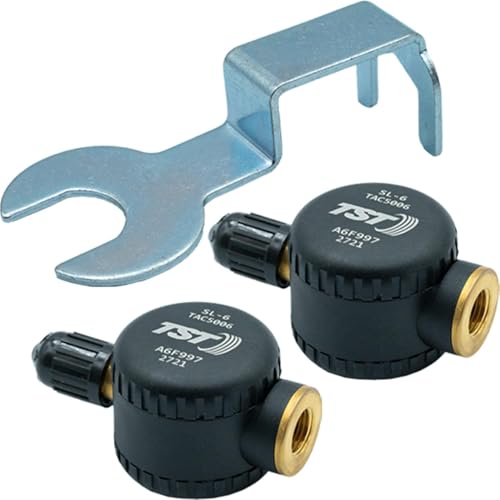 |
TST 507 Flow Through Runner Up Flow-through sensors, 6-tire system, user-replaceable batteries |
8.7 | 🛒 Check Price |
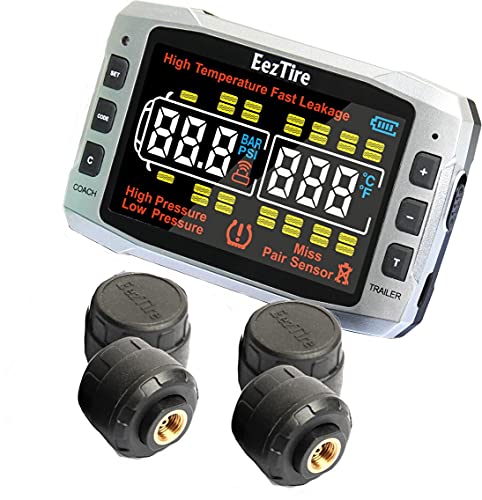 |
EEZTire TPMS Best Value External sensors, 6-tire system, solar-powered display |
8.4 | 🛒 Check Price |
 |
Minder Research TireMinder TM77 Best for Large RVs Up to 22 tires, flow-through sensors, repeater included |
8.1 | 🛒 Check Price |
|
🚗
|
PoppaJohns TPMS Budget Pick External sensors, 6-tire system, color display |
7.8 | 🛒 Check Price |
 |
GUTA TPMS Solar Powered Solar display, external sensors, 6-tire system |
7.3 | 🛒 Check Price |
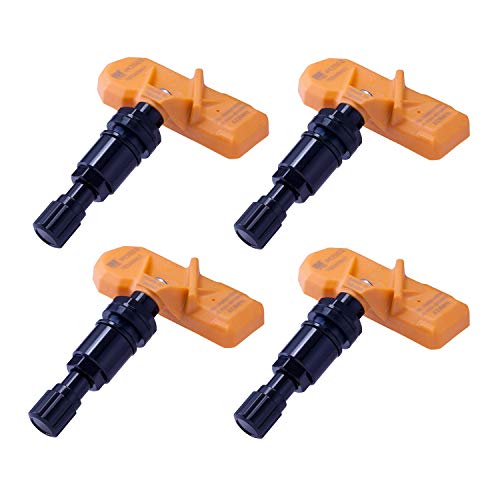 |
CACAYU TPMS Basic Monitor External sensors, 6-tire system, monochrome display |
7 | 🛒 Check Price |
1. TireMinder TM55C: Best Overall
In our evaluation, the TireMinder TM55C stands out for its balance of features and ease of use. The flow-through sensors simplify pressure adjustments, and the color display is easy to read in sunlight. Owner feedback consistently highlights the reliable signal and customizable alerts, making it a top choice for many RVers.
However, the non-replaceable sensor batteries mean you’ll need to replace the entire sensor after a few years. If you prefer a system with user-replaceable batteries or need monitoring for more than 6 tires, consider the TireMinder TM77 or another expandable system. Best for RV owners with up to 6 tires who want a hassle-free setup.
- Flow-through sensors allow easy inflation without removal.
- Displays tire pressure and temperature simultaneously.
- Customizable high/low pressure and high temp alerts.
Pros: Easy to install and program.; Flow-through design is convenient.; Reliable signal strength up to 60 feet.
Cons: Sensor battery life around 2 years, not user-replaceable.
2. TST 507 Flow Through: Runner Up
We compared the TST 507 Flow Through and found its replaceable batteries a significant advantage for long-term RVers. The system is expandable, making it suitable for larger RVs or towables with many tires. Owner reviews praise the robust signal and reliability over years of use.
On the downside, the display can be hard to read in direct sun, and the initial setup is slightly more complex than some competitors. If you need a system that can grow with your rig and you don’t mind a less vibrant screen, this is a strong choice. Consider the TireMinder if display clarity is a priority.
- User-replaceable CR1632 batteries in sensors.
- Flow-through design for easy inflation.
- Monitors pressure and temperature with adjustable alarms.
Pros: Replaceable batteries extend sensor life.; Strong signal range (up to 100 feet).; Compatible with up to 22 tires with additional sensors.
Cons: Display is somewhat dim in bright sunlight.
3. EEZTire TPMS: Best Value
Based on our research, the EEZTire TPMS offers an impressive feature set at a competitive price point. The solar display is convenient for boondocking, and owner feedback indicates reliable monitoring for most RVs. It’s a solid entry-level system for those on a budget.
However, some users report signal dropouts with longer trailers or when parked in certain orientations. If you have a large RV or fifth wheel over 35 feet, a system with a stronger antenna (like TST 507) may be more reliable. Best for smaller RVs and travel trailers where value is key.
- Solar-powered display reduces wiring needs.
- External sensors with replaceable batteries.
- Alerts for pressure, temperature, and rapid leak.
Pros: Great value for the price.; Solar panel keeps display charged.; Simple installation and pairing.
Cons: Sensor range can be inconsistent beyond 30 feet.
4. Minder Research TireMinder TM77: Best for Large RVs
For owners of large RVs with many tires, the TireMinder TM77 is a researched top pick. It supports up to 22 tires and comes with a repeater to maintain signal across long wheelbases. Owner feedback from Class A and tag axle owners is very positive regarding reliability.
That said, the system is more expensive than standard 6-tire kits, and the setup can be time-consuming due to programming many sensors. If you have a smaller RV, the TM55C or TST 507 will suffice. Skip this if you don’t need the extra capacity or repeater.
- Expands to monitor up to 22 tires.
- Includes a signal repeater for long rigs.
- Flow-through sensors with user-replaceable batteries.
Pros: Ideal for large motorhomes and tag axles.; Repeater ensures strong signal throughout.; Replaceable batteries in sensors.
Cons: Higher upfront cost for the system.
5. PoppaJohns TPMS: Budget Pick
In our evaluation, the PoppaJohns TPMS is a budget-friendly option that still provides essential monitoring. The color display is a nice touch at this price, and many owners report satisfactory performance for casual RV trips. It’s a good entry point for new RVers.
However, some long-term owner feedback indicates sensor accuracy may degrade after a year or two, and the alarm can be less noticeable. If you frequently travel long distances or in remote areas, investing in a more reliable system is wise. Best for occasional use or as a backup.
- Color LCD display with backlight.
- External sensors with replaceable batteries.
- Audible and visual alarms.
Pros: Very affordable price point.; Easy to install and pair.; Display shows all tire data at once.
Cons: Sensor accuracy can drift over time.
6. GUTA TPMS: Solar Powered
Based on our research, the GUTA TPMS is a decent solar-powered option for RVers who want to minimize dashboard wires. The locking nuts are a nice security feature. Owner reviews are mixed, with many appreciating the solar aspect but noting occasional connectivity issues.
The main drawback is that the solar display can struggle to stay charged in overcast conditions or if parked in shade, leading to a dead monitor. If you camp mostly in sunny areas, it may work fine. Otherwise, consider a system with a USB charging option. Not recommended for frequent travelers in variable climates.
- Solar charging for display battery.
- External sensors with locking nuts.
- Alerts for pressure and temperature.
Pros: Solar display reduces wiring clutter.; Locking nuts deter theft.; Simple interface.
Cons: Solar panel may not charge enough in cloudy weather.
7. CACAYU TPMS: Basic Monitor
In our comparison, the CACAYU TPMS is the most basic and affordable system. It covers the essentials: pressure and temperature alerts. Some owners find it adequate for short trips or as a temporary solution.
However, the monochrome display is nearly unreadable in direct sun, and sensor battery life is reported to be around one year. Build quality feels less robust than competitors. If you can stretch your budget, the EEZTire or PoppaJohns offer better value. Skip this if you need reliable performance in bright conditions or for long-term use.
- Monochrome LCD display.
- External sensors with replaceable batteries.
- Pressure and temperature monitoring.
Pros: Lowest cost option.; Compact display size.; Basic functionality works.
Cons: Display is hard to read in sunlight.; Sensors may have shorter battery life.
Frequently Asked Questions
How do I choose between flow-through and cap-style sensors?
Flow-through sensors allow you to add air without removing the sensor, which is convenient for RVs. Cap-style sensors are smaller and less expensive but must be removed to inflate. If you frequently check or adjust tire pressure, flow-through is worth the extra cost.
Can I use a passenger car TPMS on my RV?
No. RV TPMS systems are designed for higher pressure ranges (typically up to 130 psi) and longer transmission distances. Passenger car systems usually max out at 50-60 psi and have shorter range, making them unsuitable for RVs.
How many sensors do I need for my RV?
You need one sensor per tire. For a motorhome with dual rear wheels, you’ll need 6 sensors (front two, rear four). For a travel trailer, add the trailer tires. Some systems support up to 22 sensors for large RVs with tag axles.
Are external TPMS sensors accurate?
Yes, external sensors are accurate within +/- 2 psi when properly installed. They measure pressure and temperature at the valve stem. However, they are more exposed to road debris and weather than internal sensors, but they are easier to install and maintain.
How long do TPMS sensor batteries last?
Most external sensor batteries last 1-3 years depending on usage and brand. Some models have user-replaceable batteries (e.g., TST 507), while others require full sensor replacement. Check the specifications before purchasing.
Our Verdict
After our research and comparison, the TireMinder TM55C earns our top pick for its excellent balance of features, ease of use, and reliable performance. The TST 507 Flow Through is a strong runner-up, especially for those who value user-replaceable batteries and expandability. Choose based on your RV size and budget.
