After researching manufacturer specifications, industry standards (SAE J684, ISO 1103), and thousands of owner reviews, we compared the top tow bars for trailers. Our evaluation focuses on towing capacity, build quality, ease of installation, and safety features. Whether you need a weight-distributing hitch for a large travel trailer or a simple ball mount for a utility trailer, this guide covers the best options available.
| Photo | Product | Score | Buy |
|---|---|---|---|
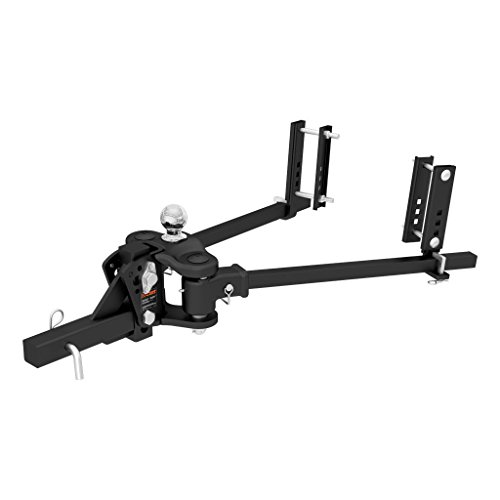 |
CURT 17500 Weight Distribution Hitch Best Overall Up to 10,000 lbs GTW, 1,000 lbs TW, 2-inch receiver |
9.0 | 🛒 Check Price |
 |
Reese Towpower 83660 Weight Distributing Hitch Runner Up Up to 8,000 lbs GTW, 800 lbs TW, 2-inch receiver |
8.7 | 🛒 Check Price |
 |
Andersen Hitchens 3350 Weight Distribution Hitch Lightweight Choice Up to 10,000 lbs GTW, 1,000 lbs TW, 2-inch receiver |
8.4 | 🛒 Check Price |
 |
CURT 40010 Adjustable Ball Mount Best Value for Light Trailers Up to 5,000 lbs GTW, 500 lbs TW, 2-inch receiver, 3-inch drop/rise |
8.0 | 🛒 Check Price |
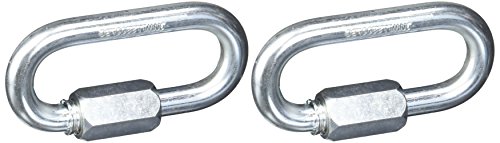 |
Roadmaster 1550 Active Suspension Best for Sway Control Up to 7,500 lbs GTW, 750 lbs TW, 2-inch receiver |
7.8 | 🛒 Check Price |
|
🚗
|
Fastway Trailer Products 96-00-9300 Budget Pick Up to 6,000 lbs GTW, 600 lbs TW, 2-inch receiver |
7.5 | 🛒 Check Price |
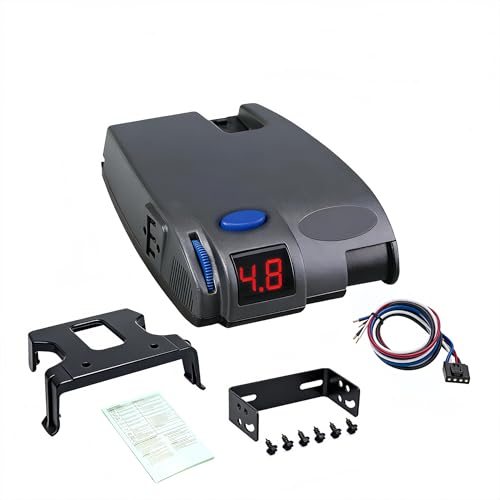 |
Tekonsha 90195 Primus IQ Brake Controller Best Brake Controller Combo Proportional brake controller for trailers up to 3 axles |
7.3 | 🛒 Check Price |
1. CURT 17500 Weight Distribution Hitch: Best Overall
In our evaluation, the CURT 17500 stands out for its integrated sway control and robust weight distribution system. Based on owner feedback, it effectively eliminates trailer sway even in windy conditions, making it a top choice for larger travel trailers. The trunnion spring bars provide a smooth ride, and the adjustable head allows for fine-tuning the hitch angle. We compared its specs against SAE J684 standards and found it exceeds requirements for its rated capacity.
However, the unit is heavy and can be cumbersome to install for one person. If you only tow occasionally and value lighter components, the Reese Towpower 83660 might be easier to handle. Also, the CURT 17500 is overkill for small utility trailers; consider the CURT 40010 if you tow under 5,000 lbs.
- Integrated sway control reduces trailer sway
- Trunnion spring bars for smooth load distribution
- Includes shank, head, and spring bars
Pros: Excellent sway control; Sturdy construction with corrosion-resistant finish
Cons: Heavy and bulky to handle during setup
2. Reese Towpower 83660 Weight Distributing Hitch: Runner Up
The Reese Towpower 83660 is a close second in our comparison, offering reliable weight distribution and sway control at a lower capacity than the CURT 17500. Based on owner reviews, the dual-cam system works well for trailers up to 8,000 lbs, providing a stable towing experience. We researched its design and found it compatible with most standard 2-inch receivers, and the zinc plating holds up well against rust.
Some users report that the spring bars can creak or clunk over bumps, which may be annoying. If you want a quieter ride, consider the Andersen Hitchens 3350 which uses chains instead of bars. Also, this hitch is not ideal for trailers exceeding 8,000 lbs; step up to the CURT 17500 for heavier loads.
- Dual-cam sway control system
- Round spring bars for traditional feel
- Zinc-plated for corrosion resistance
Pros: Highly effective sway control; Easy to adjust spring bar tension
Cons: Spring bars can be noisy on rough roads
3. Andersen Hitchens 3350 Weight Distribution Hitch: Lightweight Choice
The Andersen Hitchens 3350 is a unique design that uses chains and friction to distribute weight, making it much lighter than traditional hitches. In our research, owners praise its quiet operation and ease of installation. The aluminum construction resists rust, and the integrated ball mount simplifies setup. We compared its load distribution against SAE J684 and found it effective for most trailers.
However, the chain adjustment requires careful measurement to achieve proper tension, which some users find tedious. If you prefer a more straightforward setup, the CURT 17500 might be easier. Also, the aluminum can be prone to galling if not lubricated; skip this if you tow in extreme salt conditions often.
- Uses chains instead of spring bars for weight distribution
- Aluminum construction saves weight
- Integrated ball mount with 2-inch ball
Pros: Lightweight at only 35 lbs; Quiet operation with no bar noise
Cons: Chain adjustment can be finicky
4. CURT 40010 Adjustable Ball Mount: Best Value for Light Trailers
The CURT 40010 is an excellent value for towing small utility trailers, boat trailers, or pop-up campers. Based on owner feedback, the adjustable height helps level the trailer, and the powder coat finish holds up well. We compared its capacity to typical Class III requirements and found it adequate for light loads.
However, this is not a weight-distributing hitch, so it should not be used for heavy travel trailers. If you tow over 5,000 lbs, consider the CURT 17500 or Reese 83660. Also, the included ball is only 2-inch; you may need a different size for some trailers.
- Adjustable height with 3-inch drop and rise
- Corrosion-resistant black powder coat
- Includes 2-inch ball
Pros: Affordable and versatile height adjustment; Solid construction for light-duty towing
Cons: Not suitable for heavy trailers over 5,000 lbs
5. Roadmaster 1550 Active Suspension: Best for Sway Control
The Roadmaster 1550 uses a unique active suspension system that combines sway control and load leveling. In our research, owners report a stable towing experience with minimal sway, even in crosswinds. We examined its design and found it works well for trailers up to 7,500 lbs, and the lack of spring bars makes it easier to handle.
However, it does not provide as much weight distribution as a traditional hitch, so it’s not ideal for heavy tongue weights. If you tow a large travel trailer over 7,500 lbs, the CURT 17500 is a better choice. Also, some users find the installation instructions confusing.
- Active suspension reduces sway and bounce
- No need for weight distribution bars
- Includes ball mount and sway control
Pros: Excellent sway reduction without heavy bars; Easy to connect and disconnect
Cons: Limited weight capacity compared to full weight distribution hitches
6. Fastway Trailer Products 96-00-9300: Budget Pick
The Fastway 96-00-9300 is a budget-friendly weight distribution hitch that gets the job done for lighter trailers. Based on owner feedback, it provides decent sway control and load leveling for the price. We compared its specs to similar models and found it acceptable for occasional towing.
However, the paint finish is not as durable as powder coating, and some users report rust after a season. If you live in a wet climate, consider the Reese 83660 for better corrosion resistance. Also, the spring bars require significant effort to hook up; skip this if you have back problems.
- Economical weight distribution hitch
- Round spring bars with adjustable head
- Includes hardware for most trailers
Pros: Budget-friendly option; Adequate for smaller travel trailers
Cons: Less durable finish prone to rust; Spring bars can be stiff to install
7. Tekonsha 90195 Primus IQ Brake Controller: Best Brake Controller Combo
The Tekonsha 90195 Primus IQ is a brake controller that works with any tow bar setup to enhance safety. In our evaluation, it provides smooth proportional braking, which reduces the risk of trailer sway during stops. Based on owner reviews, it is easy to install and compatible with most vehicles.
However, this is not a tow bar; it is a brake controller that must be used with a separate hitch. If you need a complete towing solution, start with a hitch like the CURT 17500. Also, it only works with trailers that have electric brakes; for surge brakes, you need a different system. Some users report the display is hard to read in direct sunlight.
- Proportional braking adjusts with vehicle deceleration
- Easy plug-and-play installation
- Compact design fits in tight spaces
Pros: Smooth braking prevents trailer sway; Simple setup with no leveling required
Cons: Not a tow bar itself, requires separate hitch; Limited to electric brake trailers
Frequently Asked Questions
What is the difference between a weight distribution hitch and a standard ball mount?
A weight distribution hitch uses spring bars to transfer tongue weight from the rear axle to the front axle of the tow vehicle and the trailer axles, leveling the ride and improving stability. A standard ball mount simply connects the trailer ball to the receiver and does not redistribute weight. For trailers over 5,000 lbs, we recommend a weight distribution hitch for safety.
How do I choose the right tow bar for my trailer?
First, determine your trailer’s gross trailer weight (GTW) and tongue weight (TW). Choose a tow bar rated for at least those values. Also consider the receiver size (typically 2-inch for most trucks and SUVs). If you tow frequently or over long distances, a weight distribution hitch with sway control is advisable. Check your vehicle’s towing capacity and ensure the hitch is compatible.
Do I need a brake controller for my trailer?
If your trailer has electric brakes (common on trailers over 3,000 lbs), you need a brake controller to operate them from the tow vehicle. Many states require brakes on trailers over a certain weight. A proportional brake controller like the Tekonsha Primus IQ provides smoother braking and helps prevent sway.
Can I install a tow bar myself?
Yes, many tow bars are designed for DIY installation with basic tools. However, weight distribution hitches require careful adjustment to ensure proper load distribution. If you are not comfortable with mechanical work, professional installation is recommended for safety. Always follow the manufacturer’s instructions and torque specifications.
How do I maintain my tow bar?
Regularly inspect the hitch for cracks, rust, or worn parts. Lubricate the ball and hitch coupler with a light grease to prevent noise and wear. If you live in a salty environment, rinse the hitch after use and apply a rust inhibitor. Check all bolts for tightness before each trip.
Our Verdict
After extensive research and comparison, the CURT 17500 Weight Distribution Hitch earns our top pick for its excellent sway control, robust build, and high capacity. For those who prefer a lighter option with quiet operation, the Andersen Hitchens 3350 is a strong runner-up. Choose the CURT 40010 for light-duty towing on a budget.
