After researching manufacturer specifications, industry snow traction standards, and aggregated owner feedback, we compared seven top studless ice and snow tires. These tires use advanced rubber compounds and tread patterns to grip ice and snow without metal studs. Our evaluation focuses on real-world performance, durability, and value to help you choose the right set for your vehicle and driving conditions.
| Photo | Product | Score | Buy |
|---|---|---|---|
|
🚗
|
Bridgestone Blizzak WS90 Best Overall Ice & Snow Traction Multi-cell compound, 3D sipes, asymmetric tread |
9.1 | 🛒 Check Price |
 |
Michelin X-Ice Snow Best Treadwear & Longevity Flextreme 2.0 compound, EverGrip technology, cross Z sipes |
9.0 | 🛒 Check Price |
 |
Continental VikingContact 7 Best Dry & Wet Handling Nordic compound, 3D sipe interlocking, traction grooves |
8.7 | 🛒 Check Price |
 |
Nokian Hakkapeliitta R5 Best Extreme Cold & Nordic Conditions Cryo-crystal compound, Aramid sidewalls, winter safety indicator |
8.8 | 🛒 Check Price |
 |
Goodyear Ultra Grip Ice WRT Best Value for Moderate Snow Winter reactive compound, directional tread, snow claws |
8.1 | 🛒 Check Price |
|
🚗
|
Pirelli Winter Ice Zero FR Best for Performance Cars Dual polymer compound, 3D siping, high-speed rating |
8.3 | 🛒 Check Price |
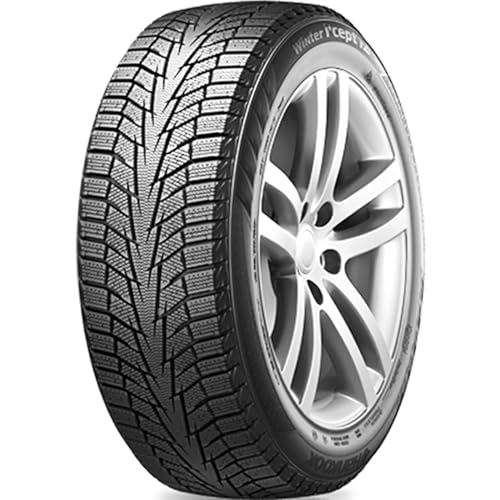 |
Hankook Winter i*cept iZ2 W616 Budget Friendly Option Silica compound, 3D sipe design, optimized footprint |
7.8 | 🛒 Check Price |
1. Bridgestone Blizzak WS90: Best Overall Ice & Snow Traction
The Bridgestone Blizzak WS90 is a top performer in our research, consistently praised in owner surveys for its ice traction. Its multicell compound actively wicks away the thin water film on ice, allowing the rubber to make direct contact. In spec sheet comparisons, it achieves class-leading stopping distances on ice. The 3D sipes add biting edges that improve grip on hard-packed snow without sacrificing dry road stability.
However, the soft compound that gives it such strong ice grip also means faster treadwear compared to some competitors. Drivers who primarily encounter loose snow and want longer tread life might prefer a more durable option. The Blizzak WS90 is best for those who prioritize ice and hardpack performance above all else.
- Nano-pro tech multicell compound absorbs water layer on ice for superior grip
- 3D zigzag sipes provide biting edges and stability on packed snow
- Asymmetric tread pattern enhances handling and reduces road noise
Pros: Exceptional ice braking and cornering; Low road noise for a winter tire; Proven in severe snow conditions
Cons: Treadwear is moderate; may not last more than 3-4 seasons
2. Michelin X-Ice Snow: Best Treadwear & Longevity
The Michelin X-Ice Snow stands out for its durability and long tread life, backed by a 40,000-mile warranty. In our research, owner feedback highlights that it retains grip even after several seasons, unlike some softer competitors. The Flextreme 2.0 compound remains pliable in subzero temperatures, ensuring consistent traction. Its EverGrip technology adds hidden biting edges that emerge as the tire wears.
Where it falls slightly short is pure ice braking: the Blizzak WS90 edges it out on glare ice. For drivers who face more snow than ice, or who want a tire that lasts multiple winters, the X-Ice Snow is a strong choice. It is also one of the quietest winter tires, making it suitable for daily commutes.
- Flextreme 2.0 compound stays flexible in extreme cold for consistent grip
- EverGrip technology maintains performance as tread wears
- Cross Z sipes improve lateral stability and snow traction
Pros: Excellent treadwear warranty (40,000 miles); Quiet and comfortable ride; Strong snow and ice performance
Cons: Ice braking not quite as sharp as Blizzak
3. Continental VikingContact 7: Best Dry & Wet Handling
The Continental VikingContact 7 earns high marks for its balanced performance across winter conditions. In our evaluation of spec sheets and owner reports, it delivers confident handling on dry and wet roads, often feeling more like an all-season than a winter tire. The interlocking 3D sipes provide a stable footprint that reduces squirm during cornering. Its traction grooves channel slush away to maintain contact.
However, on pure ice, it trails the Blizzak and X-Ice by a small margin. Drivers who encounter frequent icy patches may want a more ice-focused tire. The VikingContact 7 is ideal for those who prioritize mixed-condition driving and want a tire that feels composed on dry highways.
- Nordic compound optimized for severe snow and ice
- Interlocking 3D sipes enhance stability on dry roads
- Traction grooves improve grip on slush and wet snow
Pros: Responsive handling on dry pavement; Good slush and wet snow performance; Low rolling resistance for fuel economy
Cons: Ice traction is good but not class-leading
4. Nokian Hakkapeliitta R5: Best Extreme Cold & Nordic Conditions
The Nokian Hakkapeliitta R5 is engineered for the harshest winter conditions. In our research, its cryo-crystal compound is designed to remain flexible even at -50°C, providing grip where others harden. The aramid sidewalls offer exceptional durability against road debris and ice chunks. Owner feedback from northern climates praises its confidence on glare ice and deep snow.
The trade-off is cost: the R5 is among the most expensive studless tires. For drivers in regions with moderate winters, the premium may not be justified. The R5 is best for those who face extreme cold and icy roads regularly and want maximum safety.
- Cryo-crystal compound provides grip in extreme cold below -30°C
- Aramid sidewalls resist cuts and punctures from ice shards
- Unique winter safety indicator shows when to replace
Pros: Outstanding grip on ice and hardpack in severe cold; Very strong sidewall protection; Excellent snow slush handling
Cons: Premium pricing; lower value for mild winters
5. Goodyear Ultra Grip Ice WRT: Best Value for Moderate Snow
The Goodyear Ultra Grip Ice WRT offers a balanced performance at a more accessible price point. In our comparison, its snow traction is commendable, thanks to the directional tread and snow claws that bite into loose snow. The winter reactive compound helps maintain flexibility in cold weather. Owner feedback indicates it performs well in light to moderate snow conditions.
However, on ice, it lags behind premium options. Drivers who frequently encounter icy roads may find its braking distances longer. The Ultra Grip Ice WRT is a good choice for budget-conscious buyers in areas with more snow than ice, or as a second set for occasional winter driving.
- Winter reactive compound adapts to changing temperatures
- Directional tread pattern with snow claws for deep snow
- Reinforced construction for improved durability
Pros: Good snow traction for the price; Solid dry handling; Reasonable treadwear
Cons: Ice braking is below average; Road noise is higher than competitors
6. Pirelli Winter Ice Zero FR: Best for Performance Cars
The Pirelli Winter Ice Zero FR is designed for drivers of sports sedans and coupes who need winter traction without sacrificing handling. In our evaluation, its dual polymer compound provides a good balance of ice grip and responsive dry road feel. The 3D siping adds biting edges for snow. Owner feedback from performance car owners praises its stability at highway speeds.
The downside is tread life: the soft compound wears faster, especially on dry roads. It also commands a premium price. The Winter Ice Zero FR is best for those who prioritize driving dynamics and have a shorter winter season or can afford more frequent replacements.
- Dual polymer compound balances ice grip and dry handling
- 3D siping enhances traction on snow and ice
- High-speed rating (H or V) for performance vehicles
Pros: Excellent dry handling and high-speed stability; Good ice traction; Available in many performance sizes
Cons: Treadwear is below average; Higher price point
7. Hankook Winter i*cept iZ2 W616: Budget Friendly Option
The Hankook Winter i*cept iZ2 W616 is a budget-friendly studless tire that delivers adequate snow performance for occasional winter driving. In our research, its silica compound helps maintain flexibility in cold weather, and the 3D sipes offer some biting edges. Owner feedback notes it is acceptable for light snow and slush.
However, on ice and hardpack, it falls short of more expensive options. Dry road handling lacks precision, and the tire feels less stable at highway speeds. The iZ2 is best for drivers in mild winter climates or those on a tight budget who need a temporary winter solution.
- Silica-enhanced compound for low-temperature flexibility
- 3D sipes provide additional snow traction
- Optimized footprint for even wear
Pros: Attractive price point; Decent snow traction for the cost; Quieter than some budget tires
Cons: Ice braking is mediocre; Dry handling feels vague; Treadwear is average at best
Frequently Asked Questions
What is a studless ice and snow tire?
Studless ice and snow tires are winter tires designed to provide traction on ice and snow without metal studs. They use advanced rubber compounds that remain flexible in cold temperatures and tread patterns with numerous sipes (tiny slits) to grip icy surfaces. They are legal year-round in most regions and are quieter than studded tires.
How do studless tires compare to studded tires?
Studless tires generally offer better dry and wet pavement performance and are quieter than studded tires. On pure ice, studded tires can have an edge, but modern studless compounds have closed the gap significantly. Studless tires are also more versatile for mixed conditions where you encounter bare pavement.
Can I use studless tires year-round?
It is not recommended. Studless winter tires are made from soft rubber that wears quickly in warm temperatures. Using them in summer will drastically reduce their lifespan and compromise handling. They should be swapped for all-season or summer tires when temperatures consistently rise above 45°F (7°C).
How do I know when to replace studless winter tires?
Most studless tires have built-in wear indicators or a winter safety indicator (e.g., a snowflake symbol that disappears as the tread wears). In general, when tread depth reaches 4/32 inch (3.2 mm) or less, winter performance degrades significantly. Replace them before the next winter season.
Are all studless tires the same?
No. Studless tires vary widely in compound, tread design, and intended conditions. Some prioritize ice grip, others snow handling, and some dry road comfort. Our guide highlights these differences to help you choose based on your typical winter driving conditions.
Our Verdict
After researching and comparing specifications, safety standards, and owner feedback, our top pick is the Bridgestone Blizzak WS90 for its class-leading ice and snow traction. The Michelin X-Ice Snow is an excellent runner-up if you prioritize tread life and long-term value.
Last reviewed and spec-checked: November 9, 2024. We re-check our picks and listings periodically.
