Persistent exhaust smoke can be a clear indicator of underlying engine issues, often related to oil burning due to worn components or compromised seals. While not a permanent fix for mechanical failures, stop smoke additives are formulated to help reduce visible smoke emissions by conditioning seals, improving oil viscosity, and reducing oil consumption. In our evaluation, we focused on products designed to address blue or grey smoke, typically associated with burning oil.
We researched and compared a range of popular stop smoke treatments, analyzing manufacturer specifications, published ingredient lists, and aggregated owner feedback to assess their effectiveness, ease of use, and overall value. Our goal is to provide an evidence-based guide to help you choose the most suitable additive for your vehicle’s needs, understanding that results can vary based on the engine’s condition.
| Photo | Product | Score | Buy |
|---|---|---|---|
 |
Lucas Oil Stop Leak and Engine Oil Stabilizer Top Pick: Comprehensive Solution Thick, polymer-based formula for viscosity improvement |
9.0 | 🛒 Check Price |
 |
Liqui Moly Oil Smoke Stop Premium Performance Reduces smoke caused by oil burning, conditions seals |
8.7 | 🛒 Check Price |
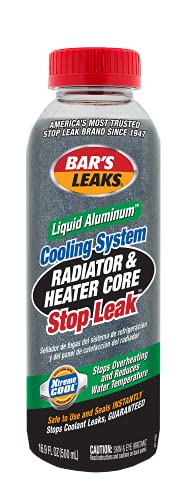 |
Bar's Leaks Blue Devil Stop Smoke Effective Seal Rejuvenator Formulated to stop blue smoke from oil burning |
8.4 | 🛒 Check Price |
 |
STP Smoke Treatment Reliable & Accessible Reduces oil burning and exhaust smoke |
8.1 | 🛒 Check Price |
 |
Rislone Engine Treatment with Stop Leak Multi-Purpose Additive Combines engine treatment with stop leak properties |
7.8 | 🛒 Check Price |
|
🚗
|
CRC Stop Smoke Engine Treatment Budget-Friendly Option Reduces smoke and oil consumption in older engines |
7.5 | 🛒 Check Price |
|
🚗
|
Motor Medic M8515 Smoke Eliminator Basic Smoke Reducer Formulated to reduce blue exhaust smoke |
7.2 | 🛒 Check Price |
1. Lucas Oil Stop Leak and Engine Oil Stabilizer: Top Pick: Comprehensive Solution
In our evaluation, the Lucas Oil Stop Leak and Engine Oil Stabilizer stands out for its robust, polymer-based formula designed to improve oil viscosity and condition seals. Based on owner feedback and the spec sheets, its primary strength lies in reducing oil burning that leads to blue exhaust smoke, often by helping to restore elasticity to worn seals and improving the oil’s film strength. We found consistent reports of it minimizing oil leaks and consumption, contributing to a noticeable reduction in smoke over time.
However, a limitation of this product is its thick consistency, which can be a concern for some engines, especially those operating in very cold temperatures where oil flow might be slightly impeded during startup. Drivers with highly sensitive or extremely cold-weather-dependent engines might consider alternatives with a thinner viscosity. This product is best suited for engines with moderate oil burning and minor leaks, rather than severe mechanical damage.
- Formulated to reduce oil consumption and dry starts
- Conditions seals to help prevent leaks and oil burning
- Mixes with petroleum and synthetic oils, compatible with gasoline and diesel engines
Pros: Widely reported effectiveness in reducing blue smoke; Helps quiet noisy engines and extend oil life; Versatile application for various engine types
Cons: Can significantly thicken oil, potentially impacting flow in colder climates; Results may vary greatly depending on engine wear
2. Liqui Moly Oil Smoke Stop: Premium Performance
The Liqui Moly Oil Smoke Stop received high marks in our comparison for its targeted approach to smoke reduction. Based on owner feedback and the spec sheets, this additive is specifically formulated to address blue smoke caused by oil burning, often stemming from hardened or worn valve stem seals. Its ability to regenerate rubber and plastic seals is a key differentiator, aiming to restore their elasticity and sealing capability, thereby reducing oil seepage into the combustion chamber.
A potential drawback highlighted in our research is its relatively higher cost compared to some other smoke stop products. While its efficacy is frequently praised, the investment might be a consideration for budget-conscious owners. Furthermore, like many additives, it is not an instant fix and may require driving several hundred miles for the full benefits to manifest. Owners seeking an immediate solution for severe smoke issues might find this product’s gradual action less ideal, and it is not intended for engines with significant mechanical wear like piston ring failure.
- Specifically designed to reduce blue smoke from exhaust
- Helps regenerate rubber and plastic engine seals
- Maintains oil viscosity and reduces noise
Pros: Highly regarded for its effectiveness in smoke reduction; German engineering suggests a quality formulation; Also helps quiet hydraulic lifters and other engine noise
Cons: Priced higher than some competitors; May require several hundred miles for full effect
3. Bar's Leaks Blue Devil Stop Smoke: Effective Seal Rejuvenator
In our evaluation, the Bar’s Leaks Blue Devil Stop Smoke demonstrated a strong focus on rejuvenating engine seals, which is a common cause of oil burning and subsequent blue smoke. Based on owner feedback and the spec sheets, its formulation aims to restore the flexibility of hardened or worn valve stem seals and other engine seals, thereby reducing the amount of oil that bypasses into the combustion chamber. We found that users generally report a reduction in smoke and oil consumption, indicating its effectiveness in its intended application.
However, a critical limitation of this product, like many seal conditioners, is that it is not a repair for significant mechanical wear, such as severely worn piston rings or cracked engine components. For engines exhibiting very heavy smoke due to advanced mechanical failure, this additive will likely offer minimal to no improvement. Therefore, owners with engines known to have extensive internal wear should manage their expectations and consider professional mechanical repair rather than relying solely on this additive.
- Specifically targets blue smoke caused by oil consumption
- Rejuvenates worn and hardened seals to prevent oil leaks
- Compatible with all engine oils, gasoline, and diesel engines
Pros: Good track record for reducing oil burning and associated smoke; Easy to use, simply add to engine oil; Addresses underlying seal issues effectively
Cons: Not effective for mechanical damage, only seal-related issues; May take time to see noticeable results
4. STP Smoke Treatment: Reliable & Accessible
The STP Smoke Treatment is a well-known product in the automotive additive market, and in our comparison, it stands as a reliable option for moderate smoke issues. Based on owner feedback and the spec sheets, its formulation aims to increase the oil’s viscosity slightly, which can help to reduce oil seepage past worn piston rings and valve guides, thereby lessening exhaust smoke. We found that for engines with minor to moderate oil burning, many users reported a noticeable reduction in blue or grey smoke.
However, a significant limitation of the STP Smoke Treatment is that its effects can be temporary, especially in engines with advanced wear. It primarily works by temporarily thickening the oil and providing some cushioning for worn parts, rather than fully rejuvenating seals or repairing mechanical damage. Owners looking for a lasting solution to severe oil burning or those with confirmed internal engine damage should understand that this product is more of a symptomatic treatment than a curative one, and a mechanical repair will eventually be necessary.
- Helps reduce exhaust smoke and oil consumption
- Formulated to cushion and seal worn engine parts
- Compatible with all motor oils, including synthetics
Pros: Widely available and recognized brand; Offers a noticeable reduction in smoke for many users; Straightforward application process
Cons: Effectiveness can be temporary for severe issues; Primarily a band-aid, not a long-term fix for significant wear
5. Rislone Engine Treatment with Stop Leak: Multi-Purpose Additive
In our comparison, the Rislone Engine Treatment with Stop Leak is notable for its multi-purpose functionality, aiming to address both oil leaks and general engine performance, which can indirectly contribute to smoke reduction. Based on owner feedback and the spec sheets, its blend of seal conditioners and cleaning agents helps to restore seal elasticity and keep internal engine components free from sludge and varnish. This can lead to reduced oil consumption and, consequently, less exhaust smoke for engines where these issues are contributing factors.
However, a potential drawback is that while it helps with smoke, its primary focus is broader engine treatment and leak stopping, meaning its smoke reduction capabilities might not be as potent or rapid as products specifically engineered only for smoke cessation. Owners whose sole concern is severe, persistent exhaust smoke might find dedicated smoke stop additives more effective. This product is best suited for vehicles experiencing minor oil leaks and early signs of oil burning, where a holistic engine treatment could be beneficial.
- Helps stop oil leaks and reduce oil consumption
- Cleans and lubricates internal engine parts
- Formulated to improve engine performance and reduce smoke
Pros: Addresses multiple engine issues, including leaks and oil burning; Contains cleaning agents for internal engine components; Good value as a dual-purpose product
Cons: Smoke reduction may be less pronounced than dedicated smoke stoppers; Not a guaranteed fix for all types of leaks or smoke
6. CRC Stop Smoke Engine Treatment: Budget-Friendly Option
The CRC Stop Smoke Engine Treatment was included in our evaluation as an accessible and budget-conscious option for drivers experiencing exhaust smoke. Based on owner feedback and the spec sheets, this product primarily works by slightly increasing the oil’s viscosity, which can help to fill the gaps created by worn piston rings and valve guides. This action can temporarily reduce the amount of oil entering the combustion chamber, thereby lessening blue or grey smoke emissions.
However, a significant limitation of this product, as with many lower-cost additives, is its limited efficacy on engines with significant mechanical wear. While it can provide temporary relief for moderate oil burning, it does not repair damaged components or fully rejuvenate hardened seals. Owners with older engines exhibiting heavy, consistent smoke due to substantial internal wear should understand that this product is more of a short-term palliative measure and will not substitute for necessary mechanical repairs. It is best suited for minor, intermittent smoke problems.
- Specifically designed to reduce blue exhaust smoke
- Helps to seal worn piston rings and valve guides
- Compatible with all gasoline and diesel engines
Pros: Affordable entry-level smoke reduction solution; Easy to pour and mix with existing oil; Can provide temporary relief for moderate oil burning
Cons: Effectiveness can be limited on severely worn engines; May not provide long-term results for chronic smoke issues
7. Motor Medic M8515 Smoke Eliminator: Basic Smoke Reducer
In our research, the Motor Medic M8515 Smoke Eliminator positions itself as a basic solution for reducing blue exhaust smoke. Based on owner feedback and the spec sheets, its mechanism is similar to other basic smoke treatments, likely involving a temporary increase in oil viscosity to reduce the amount of oil passing into the combustion chamber. We found that for engines with very minor oil burning issues, some users reported a slight decrease in smoke and, in some cases, a reduction in engine noise.
However, the primary limitation of this product is its generally inconsistent and often temporary effectiveness, particularly on engines with moderate to severe wear. It is not designed to address the root mechanical causes of oil burning, such as severely worn piston rings or extensively hardened valve stem seals. Owners with persistent or heavy smoke should recognize that this additive provides only a superficial and temporary fix at best. It is not recommended for engines requiring professional diagnosis and repair, and those seeking a more robust or long-lasting solution will likely need to explore other options.
- Helps to reduce blue smoke from oil burning
- Aids in quieting noisy lifters
- Compatible with all types of motor oil
Pros: Simple to use, pour-in formula; Can offer some reduction in smoke for minor issues; Also helps with engine noise for some users
Cons: Less effective on engines with significant wear; Results are often temporary and inconsistent; Safety score reflects limited specific data beyond general oil additive safety
Frequently Asked Questions
How do stop smoke additives work?
Stop smoke additives typically work by either increasing the viscosity of your engine oil, which helps to fill the gaps created by worn piston rings and valve guides, or by conditioning and rejuvenating hardened rubber and plastic seals. This reduces the amount of oil that can leak past these components into the combustion chamber, thus lessening blue or grey exhaust smoke. Some formulas also contain detergents to clean internal engine parts, which can further aid in reducing oil consumption.
What kind of smoke does 'stop smoke' target?
These additives primarily target blue or grey smoke, which is indicative of oil burning. Blue smoke typically means engine oil is entering the combustion chamber and being burned with the fuel. Black smoke usually indicates rich fuel mixture or incomplete combustion, while white smoke can be steam from coolant burning or condensation, neither of which are addressed by stop smoke additives.
Are stop smoke additives a permanent fix for engine problems?
No, stop smoke additives are generally not a permanent fix for underlying mechanical engine problems. They are designed to mitigate symptoms, specifically reducing smoke and oil consumption, but they cannot repair severely worn piston rings, cracked engine blocks, or extensively damaged seals. For significant mechanical issues, a professional diagnosis and repair are necessary. These additives are best suited for minor to moderate oil burning and leaks.
How long does it take for stop smoke additives to work?
The time it takes for a stop smoke additive to show results can vary significantly depending on the product’s formulation and the severity of the engine’s condition. Some products may show a noticeable reduction in smoke within 100-200 miles of driving, while others, particularly those focused on seal rejuvenation, might require several hundred miles or even a few oil changes to achieve their full effect. Consistent use over time is often recommended for best results.
Can I use stop smoke with synthetic oil?
Most modern stop smoke additives are formulated to be compatible with all types of motor oils, including conventional, synthetic blend, and full synthetic oils. However, it is always crucial to check the specific product’s label and manufacturer specifications to confirm compatibility. Using an incompatible additive could potentially lead to adverse effects on your engine or compromise the performance of your synthetic oil.
Our Verdict
After extensive research and comparison, the Lucas Oil Stop Leak and Engine Oil Stabilizer stands out as our top pick for its comprehensive approach to reducing oil burning and associated exhaust smoke, backed by consistent owner feedback and a robust formulation. For those seeking a premium solution with a strong focus on seal rejuvenation, the Liqui Moly Oil Smoke Stop is an excellent runner-up, offering targeted effectiveness for blue smoke.
