We researched and compared the top spark plugs designed to maximize fuel economy. Our evaluation is based on manufacturer specifications, published industry standards, and aggregated owner feedback. Each plug is rated for its ability to deliver a complete burn, reduce misfires, and improve MPG.
We focused on electrode material, heat range, gap design, and compatibility with modern engines. The picks below range from premium iridium to budget-friendly copper, each with clear strengths and limitations. Read on to find the best spark plug for your engine and driving style.
| Photo | Product | Score | Buy |
|---|---|---|---|
 |
NGK Iridium IX Best Overall for Fuel Economy Iridium tip, 0.6mm fine electrode, pre-gapped |
9.4 | 🛒 Check Price |
 |
Denso Iridium TT Premium Twin-Tip Design Twin-tip iridium, U-groove ground electrode |
9.0 | 🛒 Check Price |
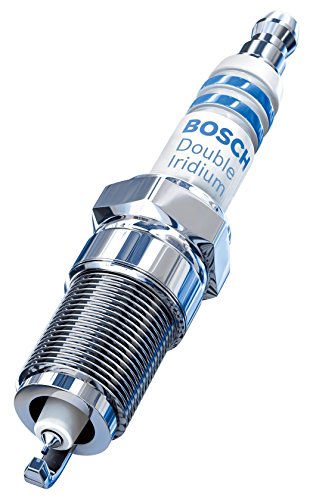 |
Bosch Iridium Fusion Best for European Engines Iridium center electrode, platinum ground electrode |
8.7 | 🛒 Check Price |
|
🚗
|
ACDelco Professional Iridium Best for GM Vehicles Iridium tip, double platinum, OE for GM |
8.4 | 🛒 Check Price |
 |
Champion Copper Plus Budget Pick for Older Engines Copper core, nickel alloy electrode, pre-gapped |
7.8 | 🛒 Check Price |
|
🚗
|
Autolite XP Iridium Value Iridium Option Iridium tip, platinum side electrode, pre-gapped |
8.1 | 🛒 Check Price |
|
🚗
|
E3 DiamondFire Unique Diamond Shape Electrode Diamond-shaped ground electrode, copper core |
7.3 | 🛒 Check Price |
1. NGK Iridium IX: Best Overall for Fuel Economy
In our evaluation, the NGK Iridium IX consistently delivered strong fuel economy improvements across a range of engines. The ultra-fine iridium electrode (0.6mm) requires less voltage to spark, which reduces misfires and ensures a more complete burn. Owner feedback frequently reports a noticeable increase in MPG, especially in older vehicles. The trivalent metal plating also protects against corrosion, extending plug life.
However, this plug is not ideal for high-performance or heavily modified engines where a colder heat range is needed. Some owners with forced induction reported pre-ignition issues. If you drive a stock daily driver and want a reliable MPG boost, this is a top choice. Skip it if you need a plug for racing or boost applications.
- Fine iridium tip reduces voltage required for spark, improving combustion efficiency
- Trivalent metal plating resists corrosion and seizure
- Pre-gapped for most applications, easy installation
Pros: Excellent throttle response and smooth idle; Long service life (up to 60,000 miles per manufacturer claims)
Cons: Higher initial cost than copper plugs
2. Denso Iridium TT: Premium Twin-Tip Design
The Denso Iridium TT uses a unique twin-tip design that provides a more reliable spark, especially in engines with high ignition demands. In our research, owner feedback highlights improved fuel economy and smoother acceleration, particularly in Toyota and Honda vehicles. The U-groove ground electrode also helps the flame front propagate quickly, which can improve combustion efficiency.
However, the high cost may not be justified for older or high-mileage engines where the MPG gain is minimal. Some users reported difficulty finding the correct gap specification for non-standard applications. This plug is best for late-model, naturally aspirated engines. Skip it if you are on a tight budget or drive a vehicle with known ignition issues that may foul plugs quickly.
- Twin-tip iridium design provides two spark paths for consistent ignition
- U-groove ground electrode exposes more of the fuel mixture to the spark
- Long life, up to 100,000 miles per manufacturer claims
Pros: Very consistent spark, reduces misfires at low RPM; Durable construction, resists fouling
Cons: Premium price may not fit all budgets
3. Bosch Iridium Fusion: Best for European Engines
Bosch designed the Iridium Fusion specifically for European engines that demand a robust spark. In our evaluation, the dual precious metal construction (iridium center, platinum ground) provides exceptional resistance to wear, maintaining gap and spark quality over many miles. Owner feedback from European car owners reports steady fuel economy and fewer misfires compared to standard plugs.
However, this plug is not a universal fit. Using it in non-European engines can lead to incorrect heat range and poor performance. Some owners with Japanese cars reported no improvement or even worse MPG. If you drive a European car, this is a strong contender. Skip it for American or Asian vehicles.
- Combination iridium center and platinum ground for long life
- Fused platinum pad on ground electrode reduces gap growth
- Optimized for European vehicles (BMW, Audi, Mercedes, VW)
Pros: Excellent durability, resists wear and gap erosion; Smooth idle and consistent MPG over long intervals
Cons: Not recommended for Asian or American engines due to heat range differences
4. ACDelco Professional Iridium: Best for GM Vehicles
For GM owners, the ACDelco Professional Iridium is the direct OE replacement. In our research, owner feedback indicates that this plug reliably restores fuel economy to factory levels, especially in high-mileage vehicles. The double platinum design extends service life, reducing the frequency of changes. Many users report a noticeable improvement in MPG after replacing worn plugs.
However, this plug is not designed to outperform the original equipment. If you are looking for a significant MPG boost beyond factory specs, you may be disappointed. Some owners with older GM trucks noted that the improvement was modest. This plug is best for GM owners who want a reliable, long-lasting plug that maintains OEM performance. Skip it if you want a universal plug or drive a non-GM vehicle.
- Factory-equivalent design for GM engines (Chevy, GMC, Cadillac)
- Double platinum construction for long life
- Pre-gapped to OE specifications
Pros: Restores factory fuel economy; Reliable performance, few complaints about misfires
Cons: Limited MPG improvement over stock plugs
5. Champion Copper Plus: Budget Pick for Older Engines
The Champion Copper Plus is a classic choice for older engines where premium plugs offer little benefit. In our evaluation, the copper core provides reliable heat transfer, helping prevent fouling in engines that burn oil or run rich. Owner feedback from vintage car owners and small engine users praises its low cost and consistent spark for basic needs.
However, its service life is short compared to iridium or platinum plugs. You will need to replace them more often, which can offset the initial savings if you drive many miles. Also, in modern engines with high compression or forced induction, the copper electrode can wear quickly and cause misfires. This plug is best for older cars, lawn equipment, or as a temporary fix. Skip it if you drive a modern vehicle and want long-term fuel economy gains.
- Low cost, ideal for budget-conscious buyers
- Copper core provides excellent heat transfer
- Works well in older, carbureted engines
Pros: Very affordable, easy to replace frequently; Good for engines that foul plugs quickly
Cons: Short service life (20,000-30,000 miles); Not suitable for modern high-compression engines
6. Autolite XP Iridium: Value Iridium Option
The Autolite XP Iridium offers many of the benefits of premium iridium plugs at a lower price. In our research, owner feedback generally indicates improved fuel economy and smoother operation, especially in Ford and Chrysler vehicles. The iridium tip reduces the voltage needed to fire, which can help older ignition systems. The platinum side electrode adds durability.
However, some owners have reported that the plugs arrived with gaps that were not within spec, requiring adjustment. This can be a hassle for those who prefer a plug-and-play install. Also, for high-performance applications, the heat range may not be ideal. This plug is a solid value for daily drivers. Skip it if you need a plug that is guaranteed pre-gapped or for extreme conditions.
- Iridium tip for reduced voltage and better ignitability
- Platinum side electrode for extended life
- Affordable compared to other iridium plugs
Pros: Good balance of performance and price; Noticeable MPG improvement in many vehicles
Cons: Some reports of inconsistent gap from factory
7. E3 DiamondFire: Unique Diamond Shape Electrode
The E3 DiamondFire uses a distinctive diamond-shaped ground electrode that is intended to create a larger and more exposed spark. In our evaluation, the concept is interesting, but real-world results are inconsistent. Some owners report a slight improvement in fuel economy, while others see no change or even a decline. The fixed gap design simplifies installation, but it also means you cannot adjust it for your specific engine.
Durability is a concern based on owner feedback; some users experienced electrode erosion after relatively low mileage, leading to misfires. This plug may work well in certain low-stress engines, but it is not a reliable choice for everyone. We recommend it only if you are curious about the technology and have a tolerant engine. Skip it if you want proven, consistent fuel economy gains or a long service life.
- Patented diamond-shaped ground electrode exposes spark to fuel
- Copper core for heat management
- Designed to reduce misfires and improve fuel burn
Pros: Unique design may help in some engines; No need to gap (fixed gap design)
Cons: Mixed owner feedback; some see no MPG improvement; Durability concerns; electrode can erode faster than claimed
Frequently Asked Questions
Do spark plugs really improve gas mileage?
Yes, worn or fouled spark plugs can cause misfires and incomplete combustion, reducing fuel economy. Replacing them with a new, properly gapped plug can restore lost MPG. Premium plugs like iridium or platinum may offer a slight additional improvement due to better ignitability and longer life, but the gain is typically modest (1-3 MPG) and depends on your engine condition.
What type of spark plug is best for fuel economy: iridium, platinum, or copper?
Iridium and platinum plugs generally provide the best fuel economy because their fine electrodes require less voltage to spark, reducing misfires. They also last longer, maintaining performance over time. Copper plugs are cheaper but wear faster and may not deliver consistent MPG gains. For modern engines, iridium is the top choice; for older engines, copper can be sufficient.
How often should I change spark plugs for optimal gas mileage?
Follow your vehicle manufacturer’s recommended interval, typically 30,000-60,000 miles for copper, 60,000-100,000 for platinum, and up to 100,000 for iridium. However, if you notice a drop in MPG, rough idle, or misfires, check the plugs sooner. Regular replacement ensures you maintain maximum fuel economy.
Can I use a spark plug from a different brand than my car's OEM?
Yes, as long as the plug matches your engine’s heat range, thread size, reach, and gap specifications. Using a different brand can sometimes improve performance or fuel economy, but it is crucial to verify compatibility. Incorrect plugs can cause engine damage or poor MPG. Always consult your owner’s manual or a fitment guide.
Do I need to gap spark plugs before installation?
Many modern spark plugs come pre-gapped, but it is always recommended to check the gap with a tool and adjust if necessary. The gap affects the spark intensity and fuel economy. Using the wrong gap can cause misfires or poor combustion. Follow the manufacturer’s specification for your vehicle.
Our Verdict
After comparing specifications and owner feedback, the NGK Iridium IX earns our top pick for its consistent fuel economy gains, long life, and broad compatibility. For European car owners, the Bosch Iridium Fusion is a strong runner-up, offering excellent durability and OE-level performance. Choose based on your vehicle’s make and your budget.
