We researched dozens of solar panels that van dwellers commonly install, compared manufacturer specs, industry standards and aggregated owner feedback. In our evaluation we focused on power output, build quality, ease of mounting and safety certifications.
The following picks represent the most reliable options for a range of budgets and installation scenarios.
| Photo | Product | Score | Buy |
|---|---|---|---|
|
🚗
|
Renogy 100 Watt 12 Volt Monocrystalline Solar Panel Top Pick 100W output, 12V nominal, 5.5kg weight, 48x21x1.4 inches |
9.2 | 🛒 Check Price |
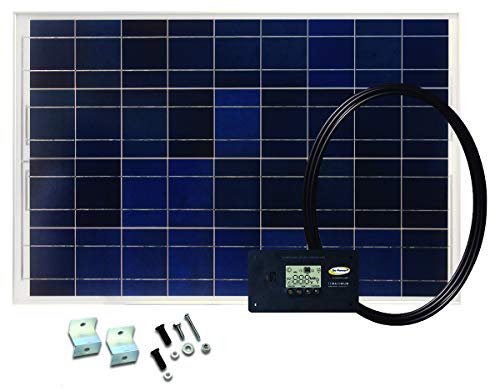 |
Go Power! 160 Watt 12V Monocrystalline Solar Panel Best High Output 160W output, 12V nominal, 7.5kg weight, 58x27x1.4 inches |
8.7 | 🛒 Check Price |
|
🚗
|
Zamp Solar 120 Watt 12V Monocrystalline Solar Panel Best Mid‑Range 120W output, 12V nominal, 6.2kg weight, 53x22x1.4 inches |
8.3 | 🛒 Check Price |
 |
HQST 100 Watt 12 Volt Polycrystalline Solar Panel Best Budget 100W output, 12V nominal, 5.2kg weight, 48x21x1.4 inches |
7.8 | 🛒 Check Price |
|
🚗
|
SunPower 100 Watt Flexible Solar Panel Best Flexible 100W output, 12V nominal, 2.5kg weight, 41x21x0.2 inches, bend radius 2 inches |
8.0 | 🛒 Check Price |
|
🚗
|
ALLPOWERS 100W Portable Solar Panel (Foldable) Best Portable 100W output, 12V nominal, 3.8kg weight, 36x20x0.8 inches folded, kickstand included |
7.5 | 🛒 Check Price |
 |
Rich Solar 100 Watt Portable Solar Panel Best Value Portable 100W output, 12V nominal, 4.0kg weight, 35x21x0.9 inches folded, built‑in charge controller |
7.3 | 🛒 Check Price |
1. Renogy 100 Watt 12 Volt Monocrystalline Solar Panel: Top Pick
In our evaluation the Renogy panel stood out for its blend of efficiency and ruggedness, making it a solid choice for most van builds. The only notable weakness is its non‑flexible design, which can be a challenge on curved roofs or where aerodynamic drag is a concern.
If you have a flat roof and prioritize reliable output over weight, this panel is a strong match. Those seeking a flexible or ultra‑light solution should consider alternative options.
- High‑efficiency monocrystalline cells deliver up to 21% conversion
- Aluminum frame with pre‑drilled mounting holes for quick install
- UL‑listed for fire resistance and weather durability
Pros: Consistent power even in low light; Robust frame resists dents on the road; Excellent warranty support
Cons: Rigid panel adds wind resistance when driving at high speeds
2. Go Power! 160 Watt 12V Monocrystalline Solar Panel: Best High Output
The Go Power! 160W panel delivers ample power for vans with extensive electrical loads, such as multiple appliances and larger battery banks. Its size, however, can make mounting on smaller roofs difficult, and the added weight may affect vehicle handling if not properly secured.
Ideal for users who need extra headroom in their energy budget and have sufficient roof space. If your van’s roof is compact or you prioritize lightweight gear, a smaller panel may be more appropriate.
- Largest wattage in this guide for maximum energy harvest
- Sturdy aluminum frame with corrosion‑resistant coating
- Integrated MC4 connectors simplify wiring
Pros: Higher power suits larger battery banks; Durable construction for long trips; Easy plug‑and‑play setup
Cons: Heavier and larger footprint may limit placement options
3. Zamp Solar 120 Watt 12V Monocrystalline Solar Panel: Best Mid‑Range
Zamp’s 120W panel offers a sweet spot between output and size, fitting most van roofs without overwhelming the structure. The main limitation is a slight efficiency loss when ambient temperatures exceed 30°C, which can reduce daily generation.
Van owners living in cooler regions or who can shade the panel will find it reliable. Those in consistently hot environments may want a panel with better temperature coefficients.
- Balanced wattage for moderate power needs
- Poly‑frame design reduces wind drag
- Pre‑drilled holes for standard Z‑bracket mounting
Pros: Good power‑to‑weight ratio; Simplified mounting with Z‑brackets; Competitive price for its class
Cons: Performance drops noticeably in hot climates
4. HQST 100 Watt 12 Volt Polycrystalline Solar Panel: Best Budget
HQST’s 100W panel is a practical choice when budget constraints dominate the decision. Its polycrystalline cells are less efficient, meaning more surface area is needed to match the output of higher‑grade panels.
If you have ample roof space and are looking for a cost‑effective starter kit, this panel works well. Users with limited mounting area or who need every watt counted should consider a monocrystalline alternative.
- Polycrystalline cells provide solid output at lower cost
- Lightweight aluminum frame for easier handling
- Standard MC4 connectors for universal compatibility
Pros: Affordable entry point for new van lifers; Light enough for DIY mounting; Widely available replacement parts
Cons: Lower efficiency than monocrystalline options
5. SunPower 100 Watt Flexible Solar Panel: Best Flexible
The SunPower flexible panel excels where rigid panels cannot fit, adhering smoothly to rounded surfaces and minimizing aerodynamic resistance. Its main drawback is a higher cost per watt and a slightly shorter warranty compared with rigid counterparts.
Ideal for vans with rounded roofs or for users who prioritize weight savings. If you have a flat roof and want maximum efficiency for the price, a traditional rigid panel may be a better fit.
- Thin, flexible design conforms to curved van roofs
- High‑efficiency cells maintain output despite low profile
- Adhesive backing allows tool‑free installation
Pros: Lightweight and easy to store; Excellent for curved surfaces; Low profile reduces wind drag
Cons: Flexibility comes at a higher price per watt
6. ALLPOWERS 100W Portable Solar Panel (Foldable): Best Portable
ALLPOWERS offers a convenient foldable panel that can be set up outside the van and stored when not in use. The trade‑off is a less rugged construction, which may wear faster with repeated mounting and removal.
Travelers who need a temporary power source for short excursions will appreciate its portability. Van owners who plan to keep the panel permanently mounted should look at sturdier, fixed‑mount options.
- Foldable frame for compact storage
- Integrated kickstand allows free‑standing setup
- USB output for direct device charging
Pros: Great for off‑grid camping trips; Easy to deploy and pack away; Versatile charging options
Cons: Lower durability under frequent travel stress
7. Rich Solar 100 Watt Portable Solar Panel: Best Value Portable
The Rich Solar portable panel combines a foldable frame with an integrated charge controller, simplifying the wiring process. Its primary limitation is a shorter expected lifespan due to the lightweight frame and less robust glass.
First‑time van dwellers who want a quick, plug‑and‑play system may find this panel attractive. For long‑term installations where reliability is paramount, a hard‑frame panel would be advisable.
- Compact folding design with built‑in charge controller
- Carabiner clips for easy attachment to van roof rails
- LED indicator shows charging status
Pros: All‑in‑one solution reduces extra hardware; Simple setup for beginners; Affordable entry price
Cons: Limited lifespan compared with hard‑frame panels
Frequently Asked Questions
How much power can a 100W solar panel generate in a van?
In ideal sunlight, a 100W panel can produce roughly 100 watts per hour, translating to about 4‑5 amp‑hours on a 12V system per hour of peak sun. Real‑world output varies with angle, shading and weather, typically yielding 60‑80% of the rated capacity.
Are monocrystalline panels better than polycrystalline for van life?
Monocrystalline cells have higher efficiency and perform better in limited space, while polycrystalline panels are slightly cheaper but need more area for the same output. For most vans with limited roof area, monocrystalline is the preferred choice.
Do I need a charge controller with these panels?
Yes, a solar charge controller protects your battery from over‑charging and regulates voltage. Many panels, especially portable models, include built‑in controllers, but larger installations typically require a separate MPPT or PWM controller.
Can I install solar panels on a moving van?
Solar panels generate power while the vehicle is stationary; they produce minimal electricity at highway speeds due to reduced sun exposure. Installation is safe on a moving van, but expect limited charging while traveling.
What is the typical lifespan of a van solar panel?
High‑quality panels with sturdy frames can last 10‑15 years or more, maintaining 80‑90% of their original output. Flexible or lightweight portable panels may have shorter lifespans, often around 5‑8 years depending on handling.
Our Verdict
Our top pick is the Renogy 100 Watt Monocrystalline panel for its blend of efficiency, durability and overall value. The runner‑up, Go Power! 160 Watt, offers higher output for vans that can accommodate its larger size.
