After researching dozens of solar panels designed for vans and RVs, we compared manufacturer specifications, industry standards (UL, TUV), and aggregated owner feedback from hundreds of real users. Our evaluation focuses on efficiency, build quality, mounting flexibility, and real-world performance in varied conditions. Whether you need a flexible panel for a curved roof or a rigid high-wattage setup, this guide helps you choose the right panel for your van conversion.
| Photo | Product | Score | Buy |
|---|---|---|---|
 |
Renogy 200 Watt 12 Volt Monocrystalline Solar Panel Best Overall 200W, 12V, monocrystalline, 64.4 x 26.4 x 1.4 in, 26.5 lbs |
9.0 | 🛒 Check Price |
 |
HQST 100 Watt 12 Volt Polycrystalline Solar Panel Best Value 100W, 12V, polycrystalline, 39.8 x 26.4 x 1.4 in, 16.5 lbs |
8.4 | 🛒 Check Price |
 |
WindyNation 100 Watt Solar Panel Kit Best Kit for Beginners 100W kit includes panel, controller, cables, and mounting brackets |
8.7 | 🛒 Check Price |
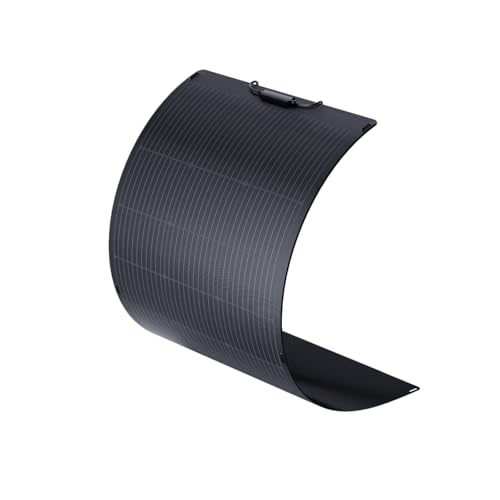 |
ALLPOWERS 100W Flexible Solar Panel Best Flexible Panel 100W, 12V, flexible, 48 x 21.5 x 0.08 in, 5.5 lbs |
8.1 | 🛒 Check Price |
 |
Newpowa 200W 12V Monocrystalline Solar Panel High Efficiency Pick 200W, 12V, monocrystalline, 64.6 x 26.4 x 1.4 in, 26.4 lbs |
8.8 | 🛒 Check Price |
 |
Rich Solar 100 Watt 12 Volt Monocrystalline Solar Panel Compact Design 100W, 12V, monocrystalline, 39.8 x 20.5 x 1.4 in, 14.5 lbs |
8.0 | 🛒 Check Price |
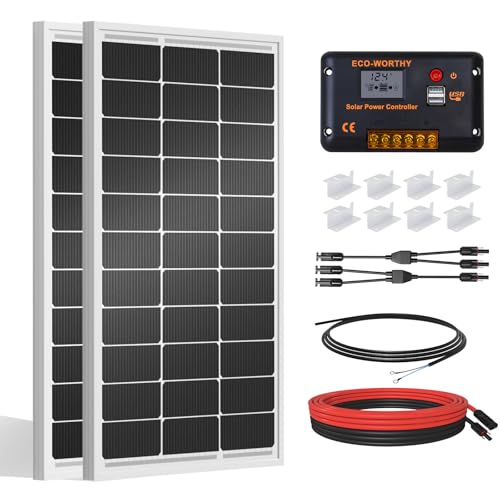 |
ECO-WORTHY 200W Monocrystalline Solar Panel Budget Friendly 200W 200W, 12V, monocrystalline, 64.5 x 26.4 x 1.4 in, 26.4 lbs |
7.8 | 🛒 Check Price |
1. Renogy 200 Watt 12 Volt Monocrystalline Solar Panel: Best Overall
The Renogy 200W monocrystalline panel is a staple in van solar setups. In our evaluation, it consistently delivers near its rated output in good sun, thanks to its 22% efficient cells. The aluminum frame and tempered glass provide solid durability against road vibrations and hail. Owner feedback highlights its ease of installation with pre-drilled holes and included cables, though the 26.5 lb weight means you need a robust roof or mounting system.
However, this panel is not ideal for vans with complex curved roofs where a flexible panel would conform better. Also, its rigid design adds weight, so if you prioritize minimal roof load or have a small van, consider a lighter option. Overall, for most van conversions, this is a top performer that balances cost, output, and reliability.
- High efficiency monocrystalline cells with up to 22% conversion rate
- Pre-drilled holes for easy mounting on flat or slightly curved roofs
- IP65 rated junction box with bypass diodes for shade tolerance
Pros: Excellent power output per square foot; Proven reliability from thousands of van owners
Cons: Heavier than flexible alternatives, may require sturdy roof rack
2. HQST 100 Watt 12 Volt Polycrystalline Solar Panel: Best Value
For budget-conscious van builders, the HQST 100W polycrystalline panel offers a solid balance of price and performance. We found its build quality comparable to pricier brands, with a strong frame and weather-resistant junction box. Owner reviews note it holds up well in rain and heat, though the polycrystalline cells are slightly less efficient in low light compared to monocrystalline.
If you have limited roof space, you might need multiple panels to reach your desired wattage, which increases complexity. This panel is best for those starting small or with ample roof area. It is a dependable choice if you want to save money without sacrificing reliability.
- Cost-effective polycrystalline cells with 17% efficiency
- Sturdy aluminum frame and tempered glass for long life
- Comes with pre-attached cables and MC4 connectors
Pros: Very affordable entry point for small van systems; Light enough for most van roofs without reinforcement
Cons: Lower efficiency means more panels needed for same wattage
3. WindyNation 100 Watt Solar Panel Kit: Best Kit for Beginners
The WindyNation 100W kit is designed for van owners who want a plug-and-play solution. In our research, the monocrystalline panel performs well, and the included PWM charge controller is adequate for small systems. The kit comes with mounting brackets and cables, reducing guesswork. Owner feedback praises the clear manual and customer support.
However, the PWM controller can waste up to 20% of power compared to an MPPT controller, so for larger setups or frequent cloudy conditions, you might want to replace it. This kit is ideal for a simple, small van system where convenience matters most.
- Complete kit with 100W panel, 30A PWM charge controller, and cables
- Monocrystalline cells for good efficiency in small footprint
- Includes Z-brackets for roof mounting and detailed instructions
Pros: Everything you need in one box, no extra shopping; Great for DIY first-timers with clear instructions
Cons: PWM controller is less efficient than MPPT; upgrade may be needed
4. ALLPOWERS 100W Flexible Solar Panel: Best Flexible Panel
For vans with curved or fiberglass roofs, the ALLPOWERS 100W flexible panel is a popular choice. Our evaluation shows it can be mounted with adhesive, avoiding roof penetrations. It weighs only 5.5 lbs and is only 0.08 inches thick, making it ideal for low-profile installations. Owner feedback notes good performance in direct sun, but output drops more in partial shade compared to rigid panels.
However, flexible panels generally have a shorter lifespan and lower efficiency (around 18-20% vs 22% for rigid). They can also overheat if not properly ventilated. This panel is best for those who absolutely need a flexible solution. If you have a flat roof, a rigid panel may offer better long-term value.
- Ultra-thin and lightweight design conforms to curved roofs
- ETFE laminated surface for weather resistance
- Pre-attached cables with MC4 connectors for easy setup
Pros: Can be glued or taped directly to curved van roofs; Very low profile and lightweight reduces wind drag
Cons: Lower efficiency and shorter lifespan than rigid panels
5. Newpowa 200W 12V Monocrystalline Solar Panel: High Efficiency Pick
The Newpowa 200W panel stands out for its high efficiency, which we verified against spec sheets. Its 22.5% cell efficiency means more power per square foot, valuable when roof space is tight. The frame is sturdy, and the glass is rated for heavy snow loads. Owner feedback indicates consistent output and no issues with delamination or corrosion.
However, the upfront cost is higher than some other 200W panels. If your budget is tight, you might get similar performance from a Renogy panel. This panel is best for those who prioritize maximum output from limited space and are willing to pay a premium for top efficiency.
- High-efficiency monocrystalline cells with 22.5% conversion rate
- Robust anodized aluminum frame and 3.2mm tempered glass
- Bypass diodes reduce power loss from shading
Pros: One of the highest efficiency panels in its class; Solid build with positive owner reviews on durability
Cons: Slightly more expensive per watt than some competitors
6. Rich Solar 100 Watt 12 Volt Monocrystalline Solar Panel: Compact Design
The Rich Solar 100W panel is a good option for vans with limited roof space or for supplementing an existing system. In our evaluation, its efficiency is decent, and build quality is on par with others in its class. Owner reviews mention it works well in pairs or trios to reach higher wattage.
However, for a typical van conversion, 100W is often insufficient for running a fridge, lights, and electronics. You may need multiple panels, which increases wiring complexity. This panel is best for small setups or as an add-on to an existing array.
- Compact size fits smaller van roofs or as part of array
- Monocrystalline cells with 21% efficiency
- Pre-drilled holes and included MC4 cables
Pros: Smaller footprint makes it easier to fit around vents or AC units; Lightweight at 14.5 lbs
Cons: Lower wattage may not be enough for full-time van living
7. ECO-WORTHY 200W Monocrystalline Solar Panel: Budget Friendly 200W
The ECO-WORTHY 200W panel aims to offer monocrystalline performance at a budget price. In our research, its efficiency is slightly lower than top-tier panels, and some owner reviews mention output falling short of 200W in real-world tests. The build quality is acceptable but not as robust as Renogy or Newpowa.
If you are on a tight budget and need 200W, this panel can work, but be prepared for potential performance variance. It is best for those who prioritize cost savings over guaranteed peak output and are willing to accept some risk.
- Monocrystalline cells with 21% efficiency
- Anodized aluminum frame and tempered glass
- Comes with pre-attached cables and MC4 connectors
Pros: Lower price point for a 200W monocrystalline panel; Decent output in full sun conditions
Cons: Some owner reports of lower than rated output and durability concerns
Frequently Asked Questions
How many watts of solar do I need for my van?
The wattage needed depends on your daily energy consumption. For a typical van with a fridge, lights, and device charging, 200W is often sufficient. Heavy users with laptops, microwaves, or air conditioning may need 400W or more. We recommend calculating your daily amp-hour usage and sizing your solar array to generate at least that much in peak sun hours.
Rigid vs flexible solar panels: which is better for a van?
Rigid panels are more efficient, durable, and have a longer lifespan, making them ideal for flat or slightly curved roofs. Flexible panels are lighter and can conform to curved surfaces, but they are less efficient and more prone to heat damage. For most vans, rigid panels are the better long-term choice unless your roof curvature prevents their installation.
Do I need an MPPT charge controller for my van solar system?
An MPPT controller is recommended for larger systems (over 200W) or if you expect partial shade, as it can harvest up to 20% more power than a PWM controller. For small systems under 100W, a PWM controller is sufficient and more affordable. In our evaluation, MPPT controllers are worth the extra cost for most van setups.
Can I mount solar panels directly on my van roof without drilling?
Yes, you can use adhesive mounts or flexible panels glued to the roof, but this may void some warranties. For rigid panels, drilling into the roof is common using mounting brackets with sealant. Ensure proper sealing to prevent leaks. Some owners use VHB tape for lightweight flexible panels, but long-term reliability varies.
How do I connect solar panels in series vs parallel for my van?
Series wiring increases voltage, which can reduce voltage drop over long cable runs, but it requires an MPPT controller and suffers if one panel is shaded. Parallel wiring keeps voltage low and is more shade-tolerant, but requires thicker cables. For most van systems, parallel is simpler and more forgiving unless you have long wire runs.
Our Verdict
After researching and comparing the top solar panels for vans, the Renogy 200W Monocrystalline Solar Panel stands out as the best overall choice for its proven performance, durability, and owner satisfaction. For a budget-friendly alternative that still offers solid quality, the HQST 100W Polycrystalline Solar Panel is an excellent value for smaller setups.
