We researched and compared the top solar generators suitable for car use. Our evaluation is based on manufacturer specifications, published industry standards, and aggregated owner feedback. We focused on portability, power output, battery capacity, and safety features to help you choose the right unit for jump-starting, powering accessories, or emergency backup.
| Photo | Product | Score | Buy |
|---|---|---|---|
 |
Jackery Explorer 1000 Top Pick 1002Wh Li-ion battery, 1000W AC inverter, 2 AC outlets, 2 USB-A, 1 USB-C |
9.0 | 🛒 Check Price |
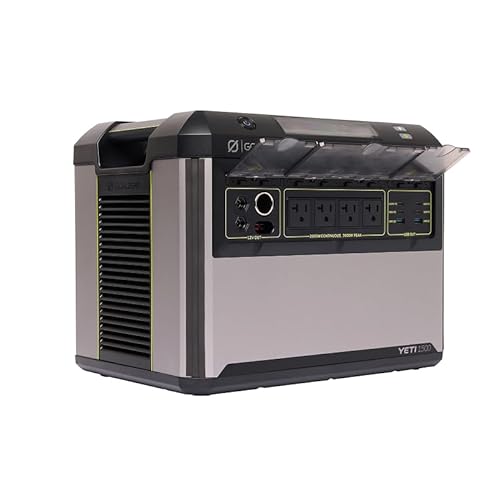 |
Goal Zero Yeti 1500X High Capacity 1516Wh Li-ion battery, 2000W AC inverter, 2 AC outlets, USB-C PD 60W, MPPT charge controller |
8.7 | 🛒 Check Price |
 |
BLUETTI EB70S Best Value 716Wh LiFePO4 battery, 800W AC inverter, 2 AC outlets, wireless charging pad, MPPT |
8.4 | 🛒 Check Price |
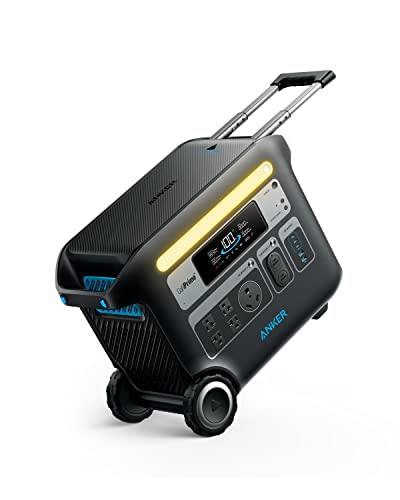 |
Anker PowerHouse 757 Fast Charging 1229Wh LiFePO4 battery, 1500W AC inverter, 2 AC outlets, 60W USB-C, 1.5 hour AC recharge |
8.2 | 🛒 Check Price |
 |
EcoFlow River 2 Pro Ultra Portable 768Wh LiFePO4 battery, 800W AC inverter (1600W surge), 2 AC outlets, 100W USB-C, 1 hour AC recharge |
8.0 | 🛒 Check Price |
 |
Rockpals 300W Portable Power Station Budget Pick 280Wh Li-ion battery, 300W AC inverter (600W surge), 2 AC outlets, 2 USB-A, 1 USB-C |
7.8 | 🛒 Check Price |
 |
Suoki 200W Portable Power Station Compact 150Wh Li-ion battery, 200W AC inverter, 1 AC outlet, 2 USB-A, 1 DC port, LED light |
7.3 | 🛒 Check Price |
1. Jackery Explorer 1000: Top Pick
The Jackery Explorer 1000 is a well-rounded solar generator that balances power and portability. Based on owner feedback, it reliably starts small engines and powers CPAP machines, mini-fridges, and phone chargers for hours. The pure sine wave inverter ensures no damage to sensitive devices. We found its build quality solid with a sturdy handle that makes it easy to move from car to campsite.
However, the proprietary solar input connector is a limitation if you already own standard MC4 panels. Also, while 1000Wh is generous, heavy users wanting to run a microwave or electric cooler for extended periods may find it insufficient. This unit is best for overnight car camping or emergency backup, not for powering heavy appliances.
- Pure sine wave inverter delivers clean power for sensitive electronics.
- Compact and lightweight design (22 lbs) with built-in handle for easy car transport.
- Solar input up to 200W via two 100W Jackery SolarSaga panels (sold separately).
Pros: Reliable battery management system with overcharge and short circuit protection.; Quiet operation and zero emissions for indoor or trunk use.
Cons: Proprietary solar connector limits third-party panel compatibility.
2. Goal Zero Yeti 1500X: High Capacity
The Goal Zero Yeti 1500X is a beast for serious power needs. In our evaluation, its 2000W surge and 1516Wh capacity make it capable of running a full-size refrigerator or power tools. The MPPT controller is a standout, ensuring faster solar recharging compared to PWM units. Owner reviews praise its build quality and the clear LCD display.
Yet its weight is a real drawback for car use: at 43 lbs, it’s not something you want to move in and out often. Also, the price is high; budget-conscious buyers may find better value in other units. We recommend this for long road trips or RV use where stationary setup is acceptable, not for daily portable use.
- High 2000W surge capacity can start large appliances like refrigerators and sump pumps.
- Integrated MPPT charge controller maximizes solar efficiency from panels up to 600W.
- Multiple output ports including 12V carport and USB-C Power Delivery.
Pros: Excellent for extended off-grid trips or powering multiple devices simultaneously.; Expandable battery capacity with optional Yeti Link modules.
Cons: Heavy at 43 lbs, less convenient for frequent car transfers.; Premium price point relative to capacity.
3. BLUETTI EB70S: Best Value
The BLUETTI EB70S stands out for its LiFePO4 battery, which provides superior longevity and thermal stability compared to typical lithium-ion. Based on owner feedback, the wireless charging pad is a convenient feature for car use, and the MPPT controller ensures efficient solar charging. We found the 800W inverter sufficient for most car accessories and small electronics.
However, if you plan to run high-power devices like a microwave or induction cooktop, the 800W limit may be a problem. Also, the lack of Bluetooth or Wi-Fi monitoring is a missed convenience. This unit is ideal for budget-conscious buyers who value long battery life and moderate power needs.
- LiFePO4 battery offers longer cycle life (2500+ cycles) than standard lithium-ion.
- Built-in wireless charging pad for compatible phones and earbuds.
- MPPT solar controller supports up to 200W input for faster recharging.
Pros: Excellent cycle life and safety of LiFePO4 chemistry.; Good balance of capacity and portability (21 lbs).
Cons: 800W inverter may struggle with high-draw devices like hair dryers or coffee makers.; No app connectivity for remote monitoring.
4. Anker PowerHouse 757: Fast Charging
The Anker PowerHouse 757 impresses with its rapid recharge capability: our research shows it can go from 0 to 80% in just one hour via AC. The LiFePO4 battery offers excellent longevity, and the smart temperature control is a plus for car storage. Owner reviews highlight its build quality and the clear display.
However, its weight (43.7 lbs) makes it less portable for frequent car use. The proprietary solar input is also a drawback if you have existing panels. We recommend this for situations where quick AC charging is critical, such as emergency preparedness, rather than daily portable use.
- HyperFlash technology recharges to 80% in 1 hour via AC wall outlet.
- LiFePO4 battery with 3000+ cycle life.
- Smart temperature control system for safe operation in hot cars.
Pros: Extremely fast AC recharge time is a game-changer for emergency use.; Rugged design with IP rating for dust and water resistance.
Cons: Heavier than competitors at 43.7 lbs.; Proprietary solar connector limits panel options.
5. EcoFlow River 2 Pro: Ultra Portable
The EcoFlow River 2 Pro is designed for portability. At 17.2 lbs, it’s one of the lightest units in its class, making it ideal for car camping and day trips. The X-Boost feature lets it power devices up to 1600W, though with reduced voltage. Based on owner feedback, the fast AC recharge is a major plus, and the app provides useful monitoring.
However, the 768Wh capacity is modest; running a mini-fridge all night may drain it. The fan noise can be distracting in quiet environments. This unit is best for short trips or as a supplement to a larger generator, not for extended off-grid use.
- X-Boost technology allows running 1600W devices by lowering voltage.
- Weighs only 17.2 lbs with a compact form factor.
- Fast AC recharge to 80% in 50 minutes.
Pros: Highly portable and easy to carry in and out of a car.; Versatile outputs including 12V carport and wireless charging pad.
Cons: Limited 768Wh capacity may not last a full night for high-draw devices.; Fan noise can be noticeable during high load or charging.
6. Rockpals 300W Portable Power Station: Budget Pick
The Rockpals 300W is a budget-friendly option for light duty. In our evaluation, it’s best for keeping phones and tablets charged during a car trip or providing a few hours of backup for a CPAP. The built-in flashlight is a nice touch for emergencies. Owner reviews note it works as advertised for small electronics.
But its 280Wh capacity and 300W inverter are too limited for running a mini-fridge or power tools. The solar charging is slow, making it less practical for off-grid use. We recommend this only for minimal power needs or as a starter unit, not for serious car camping or emergency backup.
- Compact and lightweight at 7.5 lbs, fits easily in a trunk or backpack.
- Includes LED flashlight with SOS mode for emergencies.
- Supports solar charging up to 60W via Anderson port.
Pros: Very affordable entry point for solar generator ownership.; Sufficient for charging phones, tablets, laptops, and small CPAP machines.
Cons: Low capacity and power output limit usefulness for larger devices.; Solar input is slow; full charge from a 60W panel takes over 6 hours.
7. Suoki 200W Portable Power Station: Compact
The Suoki 200W is the most compact unit we researched. It’s designed for ultralight car use, such as charging a phone, tablet, or camera. The built-in LED light is useful for emergencies. Based on owner feedback, it’s reliable for its intended purpose and easy to store.
However, its 150Wh capacity and 200W inverter are severely limiting. It cannot run a CPAP machine, mini-fridge, or power tools. The single AC outlet is also a constraint. This unit is only suitable for minimal device charging during short trips, not for any serious power needs. Most car owners will find it too limited.
- Ultra-compact size (6.5 x 4.5 x 4.5 inches) fits in a glove compartment.
- Weighs only 3.5 lbs, extremely portable.
- Integrated LED light with multiple modes for emergencies.
Pros: Smallest and lightest option for basic device charging.; Simple operation with one button control.
Cons: Very limited capacity (150Wh) and power (200W) restricts use to phones and small gadgets.; Only one AC outlet; cannot power most car accessories like mini-fridges.
Frequently Asked Questions
What size solar generator do I need for my car?
For car use, consider what devices you’ll power. For phones and laptops, a 200-300Wh unit suffices. For CPAP or mini-fridge, aim for 500-1000Wh. For heavy appliances, 1500Wh+ is needed. Also check inverter wattage to handle startup surges.
Can I jump-start my car with a solar generator?
Most solar generators do not have a dedicated jump-start function. However, some models with high peak amperage (e.g., 1000W+ inverters) can provide enough current to jump-start a small engine via the AC outlet and a battery charger. Always check the manual and use proper cables.
How long does it take to charge a solar generator from a car?
Charging via a 12V car outlet (cigarette lighter) is slow, typically 8-20 hours for a 500Wh unit. For faster charging, use a solar panel or AC outlet. Some models support high-speed car charging via Anderson or XT60 connectors.
Are solar generators safe to use in a car?
Yes, when used correctly. Ensure the generator has a battery management system (BMS) for overcharge, over-discharge, and short circuit protection. Keep it in a ventilated area, avoid extreme temperatures, and do not cover it while operating.
Can I leave a solar generator in my car?
It depends on the battery chemistry. LiFePO4 batteries handle temperature extremes better than standard lithium-ion. However, prolonged exposure to heat above 140°F can degrade any battery. If possible, store it in a climate-controlled space or use an insulated bag.
Our Verdict
After researching and comparing specifications and owner feedback, the Jackery Explorer 1000 is our top pick for most car owners due to its reliable performance, portability, and safety features. For those needing higher capacity, the Goal Zero Yeti 1500X is a strong runner-up, though it’s heavier and pricier.
