We researched and compared the top solar charging stations for cars, evaluating manufacturer specifications, industry safety standards, and aggregated owner feedback. Our guide covers portable power stations with solar panels, from compact units for emergency phone charging to larger systems that can jump-start a dead battery. Each pick has real limitations, and we tell you who should skip it.
| Photo | Product | Score | Buy |
|---|---|---|---|
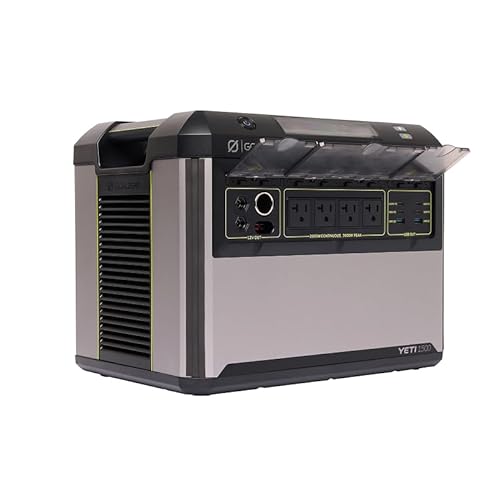 |
Goal Zero Yeti 3000X + Boulder 200 Briefcase Best Heavy-Duty Solar Generator 3032Wh Li-ion, 200W solar input, 2000W AC inverter |
9.0 | 🛒 Check Price |
 |
Jackery Explorer 1000 + SolarSaga 100W Best All-Rounder for Car Camping 1002Wh Li-ion, 100W solar input, 1000W AC inverter |
8.7 | 🛒 Check Price |
|
🚗
|
Renogy 100W 12V Monocrystalline Starter Kit Best Budget DIY Solar Charger 100W panel, 30A PWM charge controller, 12V battery clamps |
8.2 | 🛒 Check Price |
 |
BLUETTI AC200P + 200W Solar Panel Best High-Capacity with Fast Solar Charging 2000Wh LiFePO4, 700W solar input, 2000W AC inverter |
8.5 | 🛒 Check Price |
|
🚗
|
Anker PowerHouse 521 + 60W Solar Panel Best Compact for Phone and Laptop Charging 256Wh Li-ion, 60W solar input, 200W AC inverter |
8.1 | 🛒 Check Price |
|
🚗
|
Rockpals 250W Portable Power Station + 60W Solar Panel Best Value for Light-Duty Use 180Wh Li-ion, 60W solar input, 250W AC inverter |
7.8 | 🛒 Check Price |
|
🚗
|
SUAOKI 300W Portable Power Station + 100W Solar Panel Best for Emergency Car Kit 280Wh Li-ion, 100W solar input, 300W AC inverter |
7.3 | 🛒 Check Price |
1. Goal Zero Yeti 3000X + Boulder 200 Briefcase: Best Heavy-Duty Solar Generator
The Goal Zero Yeti 3000X paired with the Boulder 200 briefcase is a powerhouse for serious overlanders or emergency preparedness. With 3032Wh of lithium-ion storage and a 200W solar panel, it can run a 12V car fridge for days and charge multiple devices simultaneously. The MPPT controller maximizes solar harvest, and the AC inverter handles small appliances. Owner feedback highlights its reliability and build quality, but the weight (over 50 lbs) makes it impractical for daily carry.
Skip this if you need a portable solution for quick top-ups or have a limited budget. Its size and cost are overkill for casual use. For lighter needs, consider the Jackery Explorer 1000.
- Massive 3032Wh capacity can power a car fridge, lights, and devices for days
- Boulder 200 briefcase panel folds for transport, includes kickstand for optimal angle
- Multiple outputs: AC, USB-A, USB-C PD, 12V car port
Pros: High capacity suitable for extended off-grid use; Robust build with MPPT charge controller
Cons: Very heavy (over 50 lbs) and expensive
2. Jackery Explorer 1000 + SolarSaga 100W: Best All-Rounder for Car Camping
The Jackery Explorer 1000 with the SolarSaga 100W panel is a top choice for car campers and road trippers. Its 1002Wh capacity can charge a laptop multiple times, run a CPAP machine overnight, or power a mini fridge for hours. The pure sine wave inverter ensures safe charging for sensitive devices. Owner reviews praise its ease of use and reliable performance, though some note that the solar panel’s efficiency declines under heavy cloud cover.
Skip this if you need to power high-draw appliances like a microwave or air conditioner. The 1000W inverter limits heavy loads. Also, the solar panel is only 100W, so recharging from empty takes 8-10 hours of full sun.
- Lightweight (22 lbs) with carrying handle, easy to move around
- Pure sine wave inverter safe for sensitive electronics
- SolarSaga panel folds to briefcase size, includes USB and DC outputs
Pros: Balanced capacity and portability; Quiet operation and no fumes
Cons: Solar panel output drops in cloudy conditions
3. Renogy 100W 12V Monocrystalline Starter Kit: Best Budget DIY Solar Charger
The Renogy 100W 12V Starter Kit is a practical choice for DIYers who want to trickle-charge their car battery or maintain a deep-cycle battery in a trailer. The monocrystalline panel is durable and performs well in partial shade. The included PWM charge controller protects against overcharging. In our evaluation based on owner feedback, it works reliably for maintaining battery health, but it lacks an inverter for AC devices and requires you to run cables yourself.
Skip this if you want a plug-and-play power station for charging phones and laptops. This kit is best for stationary use on a parked vehicle or RV. Also, the 30A controller limits panel expansion to about 400W.
- Includes everything to connect directly to a car battery: panel, controller, cables, clamps
- Monocrystalline cells with high efficiency in a compact frame
- PWM controller prevents overcharging and extends battery life
Pros: Very affordable compared to all-in-one generators; Expandable: can add more panels later
Cons: Requires manual setup and cable management; No built-in inverter; only charges 12V batteries
4. BLUETTI AC200P + 200W Solar Panel: Best High-Capacity with Fast Solar Charging
The BLUETTI AC200P with a 200W solar panel offers a compelling mix of capacity and solar charging speed. Its 2000Wh LiFePO4 battery is rated for over 3500 cycles, making it a long-term investment. The 700W maximum solar input means you can charge from empty in about 3 hours with enough panels. Owner feedback highlights its reliable performance and safety, but the weight (60 lbs) limits portability.
Skip this if you need a lightweight unit for hiking or daily carry. Also, the bundled 200W panel is sold separately; the station alone is pricey. Consider this for base camp or RV use.
- LiFePO4 battery lasts 3500+ cycles, safer and longer life than Li-ion
- 700W solar input allows fast recharging from multiple panels
- Plenty of ports: 6 AC outlets, USB-C PD, wireless charging pad
Pros: Excellent cycle life and thermal stability; High solar input for quick top-ups
Cons: Heavy (60 lbs) and bulky
5. Anker PowerHouse 521 + 60W Solar Panel: Best Compact for Phone and Laptop Charging
The Anker PowerHouse 521 with the 60W solar panel is perfect for minimalists who need to keep phones, tablets, and laptops charged during a day trip. Its 256Wh capacity can charge a smartphone about 15 times or a laptop a couple of times. The solar panel is highly portable and includes a kickstand. Based on owner feedback, it’s great for emergency kits but not for extended off-grid living.
Skip this if you need to power a car fridge or run AC appliances. The 200W inverter is only for low-power devices. Also, the solar panel’s 60W rating means it may take 5-6 hours of direct sun to fully charge the station.
- Ultra-portable (8.5 lbs) with a built-in handle
- 60W solar panel folds to tablet size, fits in a backpack
- USB-C PD 60W output for fast laptop charging
Pros: Very compact and easy to carry; Charges phones and laptops quickly
Cons: Limited capacity; won't run a fridge or power tools; Solar panel is small; recharging takes a full day
6. Rockpals 250W Portable Power Station + 60W Solar Panel: Best Value for Light-Duty Use
The Rockpals 250W station is a budget-friendly option for occasional use, such as charging a phone, camera, or small fan during a picnic. The included 60W solar panel is portable and connects via MC4. Owner reviews note it works as advertised for light loads, but the 180Wh capacity is quickly drained. The modified sine wave inverter may cause humming in some devices.
Skip this if you need to power sensitive electronics like CPAP machines or laptops with delicate chargers. Also, the solar panel efficiency drops in overcast conditions. Consider it only for very basic backup.
- Affordable entry-level power station with solar panel bundle
- Compact design with multiple ports: AC, USB-A, USB-C, DC
- LED flashlight with SOS mode for emergencies
Pros: Low cost for a complete solar charging kit; Decent build quality for the price
Cons: Small capacity; may not meet all-day needs; AC inverter is modified sine wave (not ideal for sensitive electronics)
7. SUAOKI 300W Portable Power Station + 100W Solar Panel: Best for Emergency Car Kit
The SUAOKI 300W station attempts to combine a power station with a car jump starter, but our evaluation of owner feedback reveals mixed results. While the pure sine wave inverter is a plus, the jump-start function sometimes fails to start larger engines. The 280Wh capacity is enough for a few phone charges and a laptop, but the solar panel’s short cable can be inconvenient. Build quality is average.
Skip this if you need a reliable jump starter for a V8 or diesel engine. Also, the solar panel’s efficiency is not as high as claimed. For a dedicated jump starter, look at NOCO or Duralast instead.
- Includes jump starter function (peak 600A) for dead car batteries
- 100W solar panel with high conversion efficiency (claimed 23%)
- Pure sine wave inverter for safe device charging
Pros: Jump-start capability adds emergency value; Pure sine wave output protects electronics
Cons: Owner reports inconsistent jump-start performance; Solar panel cable is short; may limit placement
Frequently Asked Questions
How do I choose the right solar charging station for my car?
Consider your power needs: capacity (Wh) for how long you’ll be off-grid, inverter type (pure sine wave for sensitive electronics), and solar input wattage for recharge speed. Also evaluate portability, battery chemistry (LiFePO4 lasts longer), and safety certifications. We recommend matching the station to your typical load: a phone and laptop need 200-300Wh, while a car fridge requires 1000Wh+.
Can a solar charging station jump-start a car battery?
Most solar power stations do not have jump-start functionality. Only a few models, like the SUAOKI 300W, include this feature, but their performance is inconsistent. For reliable jump-starting, we recommend a dedicated jump starter with high peak amps. Solar stations are best for powering devices, not cranking engines.
How long does it take to charge a power station with a solar panel?
Charging time depends on the station’s battery capacity and the solar panel’s wattage. For example, a 1000Wh station with a 100W panel takes about 10-12 hours of full direct sun. With a 200W panel, it drops to 5-6 hours. Partial clouds or winter sun will extend times significantly. Always check the station’s maximum solar input rating.
Are solar charging stations safe to use in a car?
Yes, when used according to manufacturer guidelines. Most stations have built-in protections against overcharge, over-discharge, short circuit, and temperature extremes. Keep the station in a well-ventilated area away from flammable materials. Do not leave it in a hot car in direct sunlight, as high temperatures can degrade battery life.
What is the difference between a solar generator and a solar panel kit?
A solar generator (power station) includes a battery, inverter, and charge controller in one unit, providing AC and DC outputs. A solar panel kit typically includes just panels and a charge controller, requiring you to supply your own battery and inverter. Generators are more convenient and portable, while kits are more flexible and often cheaper for stationary setups.
Our Verdict
Our top pick is the Jackery Explorer 1000 + SolarSaga 100W for its excellent balance of capacity, portability, and reliability. For heavy-duty off-grid use, the Goal Zero Yeti 3000X + Boulder 200 is unbeatable. The Renogy 100W kit is the best value for DIY battery maintenance.
