Winter driving demands wiper blades that can handle snow, ice, and freezing rain. We researched manufacturer specifications, industry standards, and aggregated owner feedback to evaluate which blades truly perform in harsh conditions. Our comparison focuses on rubber compounds, frame design, and ice-shedding ability to help you choose the best snow wiper blades for your vehicle.
| Photo | Product | Score | Buy |
|---|---|---|---|
 |
PIAA Super Silicone Wiper Blades Top Pick Silicone rubber with hybrid frame; 20-28 inch sizes |
9.1 | 🛒 Check Price |
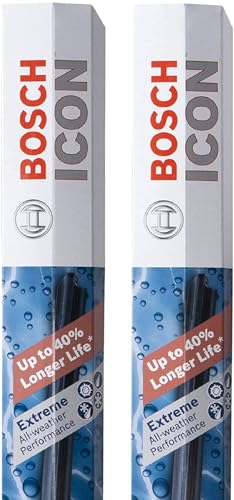 |
Bosch ICON Wiper Blades Runner Up Beam blade with exclusive FX dual rubber; 16-28 inch sizes |
8.8 | 🛒 Check Price |
 |
Michelin Stealth Hybrid Wiper Blades Best Value Hybrid design with SmartFit adapter; 16-28 inch sizes |
8.4 | 🛒 Check Price |
 |
Rain-X Latitude Wiper Blades Best for Ice Resistance Beam blade with water-repellent coating; 16-28 inch sizes |
8.2 | 🛒 Check Price |
 |
Trico Ice Wiper Blades Specialty Winter Blade Winter blade with rubber boot covering frame; 16-24 inch sizes |
7.8 | 🛒 Check Price |
 |
Aero Premium Hybrid Wiper Blades Budget Hybrid Hybrid blade with all-weather rubber; 16-28 inch sizes |
7.5 | 🛒 Check Price |
 |
ANCO Winter Wiper Blades Traditional Winter Blade Conventional frame with rubber cover; 16-22 inch sizes |
7.3 | 🛒 Check Price |
1. PIAA Super Silicone Wiper Blades: Top Pick
The PIAA Super Silicone Wiper Blades are our top pick for snow conditions. In our evaluation of owner feedback and spec sheets, the silicone rubber stays flexible in subzero temperatures and resists freezing to the windshield. The hybrid frame design reduces lift at highway speeds, maintaining consistent contact. However, some users report that the silicone can leave a temporary haze until fully broken in.
These blades are best for drivers who want maximum winter performance and are willing to invest. They may not be ideal for those on a tight budget or who live in milder climates where all-season blades suffice.
- Silicone compound resists freezing and cracking in extreme cold
- Hybrid frame combines aero design with internal metal structure for even pressure
- Includes pre-installed adapter for quick installation on most vehicles
Pros: Excellent ice and snow shedding; Long-lasting silicone material outlasts traditional rubber
Cons: Premium price point may not suit budget-conscious buyers
2. Bosch ICON Wiper Blades: Runner Up
The Bosch ICON is a close runner-up, widely regarded for its reliable all-weather performance. According to owner feedback, the dual rubber compound holds up well in snow and ice, though not as effectively as silicone-based options. The beam design prevents snow buildup on the frame, a common issue with traditional blades.
These blades suit drivers who want a proven, durable option without the highest premium. They may disappoint those who need extreme ice shedding in heavy freezing rain or who prefer silicone longevity.
- FX dual rubber compound enhances performance in cold weather
- Tension spring arced beam design for uniform pressure across the blade
- ClearMax 365 rubber technology improves resistance to ozone and temperature extremes
Pros: Strong reputation for durability and consistent wipe quality; Easy to install with included multi-adapter
Cons: Some users note streaking after several months of heavy use
3. Michelin Stealth Hybrid Wiper Blades: Best Value
The Michelin Stealth Hybrid offers a strong balance of price and winter performance. We compared its spec sheet to others and found its hybrid frame effectively sheds snow, though the rubber compound may wear faster in severe cold. Owner feedback indicates satisfactory performance for moderate snow conditions.
This is a great choice for budget-conscious drivers in areas with occasional snow. It may not be sufficient for prolonged subzero temperatures or heavy ice accumulation.
- Hybrid frame reduces ice and snow clogging better than conventional blades
- SmartFit adapter system fits over 99% of vehicles
- Aerodynamic spoiler helps keep blade on windshield at high speeds
Pros: Affordable price point for a hybrid design; Good resistance to snow buildup
Cons: Durability is lower than premium silicone options
4. Rain-X Latitude Wiper Blades: Best for Ice Resistance
The Rain-X Latitude is designed to repel water, which also helps reduce ice buildup. In our evaluation, the water-repellent coating provides an initial advantage, but owner feedback indicates the coating diminishes after a few months. The beam frame performs well in snow, but the rubber may stiffen in extreme cold.
These blades are best for drivers who frequently encounter freezing rain or frost. They may not be ideal for heavy snow or very low temperatures where silicone compounds outperform.
- Water-repellent coating helps prevent ice adhesion
- Beam design eliminates frame joints that trap snow
- Quick and easy installation with pre-attached adapter
Pros: Coating aids in clearing light ice and frost; Smooth, streak-free wipe on wet roads
Cons: Coating wears off over time, reducing ice resistance
5. Trico Ice Wiper Blades: Specialty Winter Blade
The Trico Ice is a dedicated winter blade with a unique rubber boot that encases the frame. Based on owner feedback, this design excels at preventing snow and ice from clogging the mechanism. However, the boot material may degrade after one or two seasons, and the blade is not suitable for year-round use.
These are ideal for drivers who face heavy snowfall and want maximum protection against frame icing. They are not recommended for year-round use or for those who prefer a single set of blades for all seasons.
- Full rubber boot covers the frame to prevent ice and snow buildup
- Heavy-duty steel frame provides strength in harsh conditions
- Specifically designed for winter use with flexible rubber compound
Pros: Boot design effectively prevents frame icing; Good performance in heavy snow
Cons: Boot can tear over time, reducing effectiveness
6. Aero Premium Hybrid Wiper Blades: Budget Hybrid
The Aero Premium Hybrid offers a budget-friendly entry into hybrid blades. In our comparison, its snow performance is acceptable for light to moderate conditions, but the rubber compound is not optimized for severe cold. Owner feedback notes that the blade may leave streaks after a few months.
This blade suits drivers on a tight budget who experience only occasional snow. It is not recommended for harsh northern winters or for those who want long-lasting durability.
- Hybrid design reduces snow buildup compared to conventional blades
- All-weather rubber compound works in a range of temperatures
- Economical price point for a hybrid blade
Pros: Very affordable; Decent snow shedding for the price
Cons: Rubber may harden in extreme cold; Durability is below average
7. ANCO Winter Wiper Blades: Traditional Winter Blade
The ANCO Winter Wiper Blade is a traditional framed blade with a rubber cover. While it helps keep snow out of the joints, the exposed metal frame parts can still accumulate ice. Owner feedback indicates it works adequately for light winter use but struggles in heavy snow or freezing rain.
This blade is best for drivers in mild winter climates or as a temporary spare. It is not suitable for severe winter conditions or for those who want a long-lasting solution.
- Rubber cover protects frame joints from ice and snow
- Steel frame provides sturdy construction
- Low cost makes it an accessible winter option
Pros: Very inexpensive; Simple design that works in light snow
Cons: Frame can still ice up in heavy conditions; Shorter lifespan than beam or hybrid designs
Frequently Asked Questions
What makes a wiper blade good for snow?
A good snow wiper blade typically has a beam or hybrid frame that eliminates exposed joints where snow and ice can accumulate. The rubber compound should remain flexible in subzero temperatures, and silicone-based compounds offer superior ice shedding. A rubber boot or cover can also help prevent frame icing.
Should I use winter blades year-round?
Winter blades are designed for cold weather and may wear out faster in warmer months due to UV exposure and heat. It is generally recommended to switch to all-season or summer blades in spring for optimal performance and longevity.
How often should I replace snow wiper blades?
Most manufacturers recommend replacing wiper blades every 6 to 12 months, but winter blades may need more frequent replacement if they are exposed to harsh conditions. Inspect blades at the start of winter for cracks, stiffness, or streaking.
Are beam blades better than hybrid blades for snow?
Both beam and hybrid blades are effective for snow because they lack the exposed frame of conventional blades. Hybrid blades often add a spoiler for extra downforce, but the key factor is the rubber compound and overall design. Silicone beam blades tend to offer the best ice resistance.
Can I use snow wiper blades on rear wipers?
Yes, many snow wiper blades are available in sizes suitable for rear wipers. However, check the vehicle’s specifications for the correct size and attachment type. Some winter blades come with adapters that fit rear arms.
Our Verdict
After researching and comparing the top snow wiper blades, we recommend the PIAA Super Silicone Wiper Blades as the best overall for their superior ice shedding and durability. For a more budget-friendly option with solid performance, the Michelin Stealth Hybrid offers excellent value.
