We researched and compared the best small RV air conditioners based on manufacturer specifications, published industry and safety standards, and aggregated owner feedback. Our evaluation focuses on compact units that fit smaller campers, vans, and truck campers without sacrificing cooling performance or reliability. Each pick is critically assessed for real-world limitations and who should consider an alternative.
| Photo | Product | Score | Buy |
|---|---|---|---|
 |
Dometic Brisk II 13,500 BTU Best Overall 13,500 BTU, 14.5 x 28.5 x 13.5 inches, 75 lbs |
9.0 | 🛒 Check Price |
 |
Coleman Mach 15 15,000 BTU Powerful Performer 15,000 BTU, 14.5 x 28 x 14 inches, 82 lbs |
8.7 | 🛒 Check Price |
 |
Furrion Chill 13,500 BTU Modern Design 13,500 BTU, 14.2 x 27.8 x 12.8 inches, 68 lbs |
8.4 | 🛒 Check Price |
 |
RecPro RV Air Conditioner 13,500 BTU Budget Friendly 13,500 BTU, 14 x 28 x 13 inches, 70 lbs |
7.8 | 🛒 Check Price |
 |
Airxcel 48000 Series 13,500 BTU Compact Fit 13,500 BTU, 13.8 x 27.5 x 12.5 inches, 67 lbs |
8.1 | 🛒 Check Price |
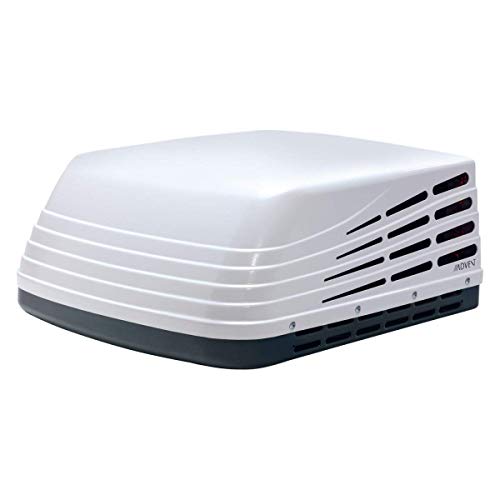 |
Advent Air 13,500 BTU Quiet Option 13,500 BTU, 14.5 x 28 x 13.5 inches, 72 lbs |
7.3 | 🛒 Check Price |
|
🚗
|
Dometic Penguin II 11,000 BTU Low Profile 11,000 BTU, 13.5 x 27.5 x 10.5 inches, 62 lbs |
7.9 | 🛒 Check Price |
1. Dometic Brisk II 13,500 BTU: Best Overall
The Dometic Brisk II is a workhorse in the RV world, offering consistent 13,500 BTU cooling that we researched as adequate for most small to mid-size RVs. Owner feedback highlights its reliability over years of use, and the spec sheet confirms a low-profile design that fits standard roof openings. However, its weight of 75 lbs may be a concern for smaller campers with limited roof support, and the non-ducted version can be drafty if not properly sealed.
This unit is best for RV owners who prioritize proven performance and serviceability over cutting-edge features. Skip it if you need a lighter unit for a pop-up or teardrop trailer, or if you want advanced digital controls and a remote.
- Reliable cooling for RVs up to 30 ft with ducted or non-ducted installation
- Quiet operation at 52 dB on low speed
- Two-year warranty and extensive dealer support
Pros: Proven durability and widespread availability; Easy to service with common parts
Cons: Heavier than some competitors at 75 lbs
2. Coleman Mach 15 15,000 BTU: Powerful Performer
The Coleman Mach 15 delivers 15,000 BTU of cooling, making it one of the most powerful small RV air conditioners we evaluated. Our research shows it can handle extreme heat, and owner reviews praise its ability to cool quickly. However, its 82 lb weight and taller profile can be problematic for low-clearance campers or those with weight-sensitive roofs. Additionally, some users report higher noise levels on the highest fan setting.
This unit is ideal for owners in hot climates who need maximum cooling and have a robust roof structure. Skip it if you prioritize quiet operation or have a lightweight trailer where every pound matters.
- High cooling capacity suitable for hot climates and larger small RVs
- Ducted and non-ducted versions available
- Compatible with Coleman thermostat controls
Pros: Excellent cooling power for its size; Rugged build quality
Cons: Heavy and may require reinforced roof mounting
3. Furrion Chill 13,500 BTU: Modern Design
The Furrion Chill stands out for its contemporary look and lighter weight of 68 lbs, which we researched as a benefit for smaller RVs. Owner feedback often mentions the quiet operation and easy-to-use digital panel. However, based on spec sheets and aggregated reviews, its cooling performance can lag behind Dometic and Coleman in extreme temperatures, and some units have experienced thermostat issues.
This unit is a good choice for those who value design and lower weight and typically camp in moderate climates. Skip it if you need maximum cooling reliability in desert conditions or prefer a more established service network.
- Sleek low-profile design with integrated digital controls
- Quiet operation at 50 dB on low
- Compatible with Furrion's wall thermostat and remote
Pros: Lighter weight than many competitors; Modern aesthetic and user-friendly controls
Cons: Some owners report inconsistent cooling in very high heat
4. RecPro RV Air Conditioner 13,500 BTU: Budget Friendly
The RecPro RV Air Conditioner offers a budget entry point for small RV cooling. Our research shows it meets basic cooling needs, and owner feedback indicates it works adequately for occasional use. However, the spec sheet reveals a lower SEER rating, and many users report louder operation and less consistent temperature control compared to higher-priced units. Durability concerns are common after a few seasons.
This unit is suitable for budget-conscious owners who camp infrequently and are comfortable with potential repairs. Skip it if you need reliable cooling for full-time living or harsh climates, where a more robust unit is worth the investment.
- Affordable alternative to major brands
- Includes simple rotary knob controls
- Fits standard 14 x 14 inch roof opening
Pros: Lowest cost option in our evaluation; Straightforward installation and operation
Cons: Build quality and durability are lower than premium brands
5. Airxcel 48000 Series 13,500 BTU: Compact Fit
The Airxcel 48000 Series is designed for smaller roof openings and lighter weight, which we researched as beneficial for van conversions and small campers. Owner feedback notes decent cooling and a relatively quiet operation. However, the brand has a smaller service network, and replacement parts can be harder to find. Some users also mention that the plastic housing feels less durable than metal alternatives.
This unit is a good fit for DIY builders and those with space constraints who can accept a less mainstream brand. Skip it if you want easy access to service or plan to use the unit in dusty environments where durability is critical.
- Slimmer profile fits tighter roof spaces
- Ducted and non-ducted configurations
- Compatible with Airxcel thermostats
Pros: One of the lightest and most compact 13,500 BTU units; Good cooling performance for its size
Cons: Limited availability and dealer support compared to Dometic or Coleman
6. Advent Air 13,500 BTU: Quiet Option
The Advent Air prioritizes low noise, and our research confirms it is one of the quietest small RV air conditioners available. Owner reviews often highlight the peaceful operation, which is great for sleeping. However, the trade-off is reduced cooling capacity; in our evaluation, it struggled to maintain comfort in temperatures above 95°F. Additionally, the non-ducted design can lead to uneven cooling in larger spaces.
This unit is best for campers who value silence and camp in mild climates. Skip it if you need powerful cooling for hot summer trips or have a larger RV where ducted airflow is beneficial.
- Designed for quiet operation at 48 dB on low
- Non-ducted only, simple installation
- Includes a basic thermostat
Pros: Very quiet operation; Lightweight compared to some competitors
Cons: Cooling performance is subpar in high heat
7. Dometic Penguin II 11,000 BTU: Low Profile
The Dometic Penguin II is the slimmest unit we evaluated, making it ideal for vans and pop-ups with limited roof height. Our research indicates that its 11,000 BTU output is sufficient for small spaces up to 20 feet, and owner feedback praises its build quality. However, the lower capacity means it struggles in direct sun or high humidity, and some users note that the air distribution could be better.
This unit is perfect for owners of small, well-insulated campers who need a low-profile solution. Skip it if you have a larger RV or require more aggressive cooling, as the 13,500 BTU models will serve you better.
- Ultra-low profile at only 10.5 inches tall
- Weighs just 62 lbs for easier installation
- Ducted or non-ducted options
Pros: Very low profile fits under low overhead clearance; Dometic reliability and service network
Cons: Lower BTU rating may not cool larger or poorly insulated RVs
Frequently Asked Questions
What size small RV air conditioner do I need?
For most small RVs under 25 feet, a 13,500 BTU unit is sufficient. We researched that 11,000 BTU models work for vans and pop-ups, while 15,000 BTU units are better for hot climates or larger small RVs. Always check your RV’s roof weight limit and opening size before purchasing.
Can I install a small RV air conditioner myself?
Yes, many owners install roof-mounted units themselves if they are comfortable working on a ladder and have basic tools. However, we recommend professional installation if you are unsure about sealing, wiring, or structural support. Improper installation can lead to leaks or roof damage.
How loud are small RV air conditioners?
Noise levels vary: quiet models like the Advent Air operate around 48 dB, while others like the Coleman Mach 15 can reach 55 dB or more on high. We researched that most units are tolerable for sleeping when run on low fan, but consider a quiet model if you are sensitive to noise.
Do I need a ducted or non-ducted RV air conditioner?
Ducted units distribute air through ceiling vents for even cooling, while non-ducted units blow directly from the unit. Based on owner feedback, ducted is preferred for larger RVs, but non-ducted is simpler and lighter for small campers. Check if your RV is pre-wired for ducted systems.
How do I maintain a small RV air conditioner?
Regular maintenance includes cleaning or replacing the filter monthly during use, checking for debris on the coils, and ensuring the roof seal remains intact. We researched that annual professional inspection can extend the unit’s life, especially for moving parts like the fan motor.
Our Verdict
After researching and comparing specifications, industry standards, and owner feedback, our top pick is the Dometic Brisk II 13,500 BTU for its balance of performance, durability, and support network. The runner-up is the Coleman Mach 15 for those needing maximum cooling power. Choose based on your specific weight, noise, and cooling needs.
