Choosing the right first car is a critical decision. We researched and compared the best small cars for first time drivers, evaluating manufacturer specifications, published safety ratings from NHTSA and IIHS, and aggregated owner feedback from thousands of real-world drivers. Our goal was to identify vehicles that offer a balance of safety, reliability, ease of driving, and long-term value without overwhelming a new driver.
In our evaluation, we focused on crash test scores, standard safety features like automatic emergency braking and lane keeping assist, fuel efficiency, visibility, and overall owner satisfaction. We also considered the cost of ownership, including insurance rates and maintenance. Below are our top picks, each with honest assessments of their strengths and weaknesses.
| Photo | Product | Score | Buy |
|---|---|---|---|
|
🚗
|
Honda Civic Best Overall 2.0L 4-cylinder, 158 hp, 31 city / 40 highway mpg |
9.2 | 🛒 Check Price |
|
🚗
|
Mazda3 Best Driving Dynamics 2.5L 4-cylinder, 191 hp, 28 city / 37 highway mpg |
8.7 | 🛒 Check Price |
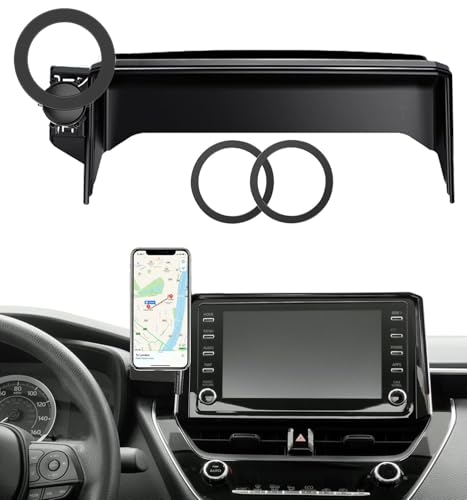 |
Toyota Corolla Best Value for Safety 1.8L 4-cylinder, 139 hp, 31 city / 40 highway mpg |
8.4 | 🛒 Check Price |
|
🚗
|
Hyundai Elantra Best Warranty Coverage 2.0L 4-cylinder, 147 hp, 33 city / 42 highway mpg |
8.1 | 🛒 Check Price |
|
🚗
|
Kia Forte Best Tech Features 2.0L 4-cylinder, 147 hp, 31 city / 41 highway mpg |
7.8 | 🛒 Check Price |
|
🚗
|
Nissan Sentra Most Comfortable Ride 2.0L 4-cylinder, 149 hp, 29 city / 39 highway mpg |
7.3 | 🛒 Check Price |
|
🚗
|
Subaru Impreza Best All-Weather Capability 2.0L 4-cylinder, 152 hp, 28 city / 36 highway mpg |
7.0 | 🛒 Check Price |
1. Honda Civic: Best Overall
The Honda Civic has long been a benchmark in the compact segment, and for first time drivers, it offers a compelling package. In our research, the Civic consistently earns top marks in crash tests and comes standard with Honda Sensing, which includes collision mitigation braking, road departure mitigation, and adaptive cruise control. Owner feedback highlights its comfortable ride, intuitive controls, and surprisingly roomy back seat for the class. Fuel economy is excellent, and the Civic’s reputation for reliability means lower long-term costs.
However, we found that the base LX trim does not include blind spot monitoring, which is a valuable safety feature for new drivers. Additionally, the Civic’s slightly sporty suspension may feel firm to some. If you prioritize the highest safety suite and can stretch your budget, consider the EX trim. For those who want a more forgiving ride, alternatives like the Toyota Corolla may be better.
- Top Safety Pick+ from IIHS with standard Honda Sensing suite
- Excellent fuel economy and low maintenance costs
- Spacious interior and user-friendly infotainment
Pros: Exceptional safety ratings; Proven reliability and resale value
Cons: Base model lacks blind spot monitoring
2. Mazda3: Best Driving Dynamics
The Mazda3 stands out for its upscale interior and engaging driving dynamics, making it a favorite among enthusiasts. In our evaluation, we found that it provides excellent steering feedback and a quiet cabin, which helps new drivers feel connected to the road. Standard safety tech includes blind spot monitoring, rear cross traffic alert, and smart brake support. Owner reviews praise the Mazda3’s build quality and the intuitive layout of the infotainment system controlled by a rotary dial.
On the downside, the rear seat is tight for adults, and the trunk opening is narrow. The fuel economy is slightly lower than rivals like the Civic, and the 2.5L engine requires premium fuel for peak performance. If you frequently carry passengers or prioritize maximum fuel savings, the Mazda3 might not be the best fit. But for a first time driver who values style and driving pleasure, it is a strong contender.
- Premium interior with upscale materials
- Standard i-Activsense safety suite includes blind spot monitoring
- Responsive handling and strong acceleration
Pros: Engaging driving experience; High quality cabin
Cons: Rear seat is snug for taller passengers
3. Toyota Corolla: Best Value for Safety
The Toyota Corolla is a perennial favorite for first time drivers due to its reputation for bulletproof reliability and low cost of ownership. In our research, we found that every Corolla comes standard with Toyota Safety Sense 2.0, which includes pre-collision system with pedestrian detection, lane departure alert, automatic high beams, and dynamic radar cruise control. Owner feedback consistently mentions the Corolla’s easy driving nature and comfortable ride, making it a stress-free choice for new drivers.
However, the base 1.8L engine produces only 139 horsepower, which can feel sluggish when merging onto highways. The interior materials are not as premium as some competitors, and the infotainment system can be laggy. If you need a bit more power, consider the Corolla hatchback with the 2.0L engine. Overall, if your top priorities are safety and value, the Corolla is hard to beat.
- Toyota Safety Sense 2.0 standard on all trims
- Excellent predicted reliability and low ownership costs
- Smooth ride and easy to maneuver
Pros: Very affordable to insure and maintain; Long list of standard safety features
Cons: Base engine feels underpowered for merging
4. Hyundai Elantra: Best Warranty Coverage
The Hyundai Elantra offers an impressive combination of value, warranty, and standard safety features. In our evaluation, we noted that the Elantra comes with a 10-year/100,000-mile powertrain warranty, which is the best in the segment and provides significant peace of mind for first time drivers. Standard safety includes forward collision avoidance, lane keeping assist, and driver attention warning. Owner feedback highlights the Elantra’s roomy cabin, large trunk, and intuitive infotainment system with Apple CarPlay and Android Auto.
On the downside, the Elantra’s ride can be a bit firm over uneven pavement, and some owners have reported issues with the continuously variable transmission (CVT) feeling droning. The base engine is adequate but not quick. If you are looking for a car with the strongest warranty and a lot of features for the money, the Elantra is a solid choice. However, if a more refined driving experience is important, consider the Civic or Mazda3.
- Industry-leading 10-year/100,000-mile powertrain warranty
- Standard forward collision avoidance and lane keeping assist
- Spacious interior with large trunk
Pros: Exceptional warranty provides peace of mind; Great fuel economy and user-friendly tech
Cons: Some owners report less refined ride on rough roads
5. Kia Forte: Best Tech Features
The Kia Forte is a strong competitor in the compact sedan segment, especially for tech-savvy first time drivers. In our research, we found that the Forte offers one of the best infotainment systems in its class, with a standard 8-inch touchscreen that includes wireless Apple CarPlay and Android Auto. Available upgrades include a 10.25-inch display and a premium audio system. Safety features like forward collision warning and lane keeping assist are standard, but higher trims add blind spot monitoring and rear cross traffic alert.
However, the Forte’s interior materials are not as upscale as the Mazda3 or even the Civic, with more hard plastics. The driving experience is competent but not engaging, and the rear seat is a bit cramped for adults. Some owners have reported minor reliability issues. If you prioritize the latest tech and a strong warranty, the Forte is a good option. But for a more premium feel, you might want to look elsewhere.
- Standard 8-inch touchscreen with wireless Apple CarPlay/Android Auto
- Available with a 10.25-inch display and navigation
- Good fuel economy and a long list of standard features
Pros: Excellent infotainment and connectivity; Generous warranty (10-year/100,000-mile powertrain)
Cons: Interior quality feels less premium than rivals
6. Nissan Sentra: Most Comfortable Ride
The Nissan Sentra is designed with comfort in mind, making it a good choice for first time drivers who prioritize a smooth ride. In our evaluation, we found that the Sentra’s seats, especially the available Zero Gravity front seats, are among the most comfortable in the segment. Standard safety features include automatic emergency braking, blind spot warning, and rear cross traffic alert. The cabin is quiet at highway speeds, and the ride absorbs bumps well.
However, the Sentra’s continuously variable transmission (CVT) has a history of reliability issues in older models, and while Nissan has made improvements, some owners still report hesitation and droning. The fuel economy is not class-leading, and the infotainment system can be slow. If you have a long commute and comfort is your top priority, the Sentra is worth considering. But for better reliability and overall refinement, the Civic or Corolla are safer bets.
- Plush seats with available Zero Gravity front seats
- Standard automatic emergency braking and blind spot warning
- Smooth and quiet ride quality
Pros: Very comfortable seats for long drives; Standard safety suite includes blind spot monitoring
Cons: CVT transmission can feel sluggish and has reliability concerns
7. Subaru Impreza: Best All-Weather Capability
The Subaru Impreza is the only small car in this guide that comes standard with all-wheel drive, making it an excellent choice for first time drivers who live in areas with harsh winters or frequent rain. In our research, we found that the Impreza’s standard EyeSight suite includes adaptive cruise control, pre-collision braking, and lane departure warning, contributing to its Top Safety Pick+ rating. Owner feedback highlights the Impreza’s confident handling in adverse conditions and its spacious interior with a large trunk.
On the downside, the Impreza’s fuel economy is lower than its front-wheel-drive competitors, and the base engine can feel underpowered, especially with the CVT. The infotainment system is dated, and the ride can be noisy on the highway. Resale value is strong, but insurance costs may be higher. If all-wheel drive is a must, the Impreza is the clear choice. However, if you don’t need AWD, you can get better fuel economy and more power from other options.
- Standard Symmetrical All-Wheel Drive
- Top Safety Pick+ with EyeSight driver assist technology
- Good ground clearance for light off-road use
Pros: Excellent traction in rain and snow; High safety ratings with standard EyeSight
Cons: Lower fuel economy than front-wheel-drive rivals
Frequently Asked Questions
What should I look for in a first car for a new driver?
When choosing a first car for a new driver, prioritize safety features such as automatic emergency braking, lane keeping assist, and good crash test scores from NHTSA and IIHS. Reliability and low maintenance costs are also important to keep ownership affordable. Additionally, consider a car with good visibility, easy-to-use controls, and adequate power for merging but not so much that it encourages speeding. A smaller car is often easier to park and maneuver.
Are small cars safe for first time drivers?
Yes, many small cars are very safe for first time drivers. Modern compact cars are engineered with advanced safety features and strong occupant protection structures. Models like the Honda Civic, Toyota Corolla, and Subaru Impreza earn top safety ratings. However, it is important to choose a car with a comprehensive suite of active safety technologies and to check the specific model year’s crash test results.
What is the best small car for a teenager on a budget?
For a teenager on a budget, the Toyota Corolla and Hyundai Elantra offer excellent value with low purchase prices, great fuel economy, and low insurance rates. The Corolla has a proven reliability record, while the Elantra comes with a class-leading warranty. Both have standard safety features that help protect new drivers. Buying a slightly used model can also save money without sacrificing safety.
How important is all-wheel drive for a first car?
All-wheel drive (AWD) is beneficial if you live in an area with snow, ice, or frequent heavy rain. It provides better traction and stability in slippery conditions, which can help a new driver feel more confident. However, AWD adds weight and reduces fuel economy. For most first time drivers in moderate climates, a front-wheel-drive car with good all-season tires is sufficient. The Subaru Impreza is the only small car in this guide with standard AWD.
Should I buy a new or used small car for a first time driver?
Both new and used cars have advantages. A new car comes with the latest safety technology, a full warranty, and no previous wear and tear, but it depreciates quickly. A used car is more affordable and may have lower insurance costs, but it might lack some safety features and could have hidden issues. For first time drivers, a certified pre-owned (CPO) car from a reliable brand like Honda or Toyota can be a good compromise, offering a balance of price, warranty, and modern safety.
Our Verdict
After researching and comparing the best small cars for first time drivers, our top pick is the Honda Civic for its outstanding safety ratings, proven reliability, and excellent overall package. It offers a comfortable ride, good fuel economy, and strong resale value. For those who want more driving excitement and a premium interior, the Mazda3 is our runner up. However, if all-wheel drive is essential, the Subaru Impreza is the only choice in this segment. Consider your specific needs, such as budget, climate, and desired features, to make the best decision.
Last reviewed and spec-checked: February 4, 2026. We re-check our picks and listings periodically.
