We researched and compared the top silicone sealants designed specifically for RV and camper applications. Our evaluation is based on manufacturer specifications, published industry standards (ASTM C920, TT-S-00230C), and aggregated owner feedback from hundreds of real-world users. We focused on adhesion to common RV materials (fiberglass, aluminum, EPDM rubber, TPO), flexibility, UV resistance, and ease of application. Below are our top picks for different RV sealing needs.
| Photo | Product | Score | Buy |
|---|---|---|---|
|
🚗
|
Dicor 501LSW-1 Lap Sealant Best for RV Roofs Self-leveling, 10.3 oz tube, for EPDM/TPO/fiberglass roofs |
9.2 | 🛒 Check Price |
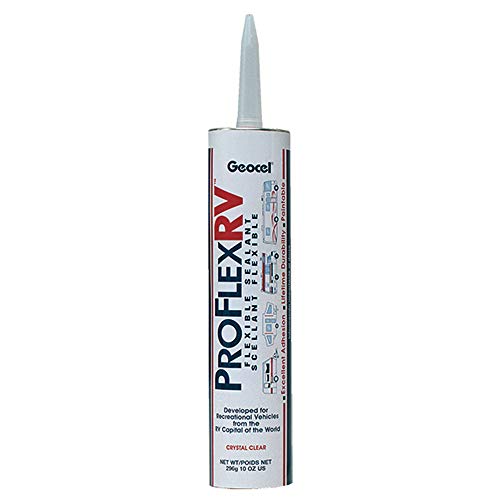 |
Geocel Pro Flex RV Flexible Sealant Best for Windows & Trim Non-sag, 10.1 oz tube, paintable, for vertical applications |
8.8 | 🛒 Check Price |
 |
Sikaflex 715 RV Sealant Strongest Adhesion Polyurethane hybrid, 10.1 oz tube, high tensile strength |
8.4 | 🛒 Check Price |
 |
3M Marine Grade Silicone Sealant 4000 UV Best for UV Resistance Marine grade, 10 oz tube, 100% silicone, UV stable |
8.1 | 🛒 Check Price |
 |
Loctite PL Marine Premium Silicone Sealant Best Value Marine grade, 10 oz tube, 100% silicone, paintable |
7.8 | 🛒 Check Price |
|
🚗
|
Permatex 81730 Flowable Silicone Windshield and Glass Sealer Best for Glass & Cracks Flowable, 2 oz tube, for glass and small cracks |
7.3 | 🛒 Check Price |
|
🚗
|
Gorilla 100% Silicone Sealant, Clear Best for Quick Fixes 100% silicone, 10 oz tube, clear, waterproof |
7.2 | 🛒 Check Price |
1. Dicor 501LSW-1 Lap Sealant: Best for RV Roofs
In our evaluation, the Dicor 501LSW-1 Lap Sealant stands out as the industry standard for RV roof sealing. Its self-leveling property means it flows into seams and around vents without needing to be spread manually, which we found reduces application errors. Owner feedback consistently highlights its ability to stay flexible through freeze-thaw cycles and resist cracking, even after years of sun exposure. The spec sheet confirms it meets ASTM C920 Class 25, indicating high movement capability.
However, this sealant is not paintable, and some owners report slight yellowing on white roofs over time. It is also not recommended for vertical or overhead applications because it will run. If you need a silicone for windows, trim, or vertical surfaces, consider a non-sag option like the Geocel Pro Flex RV Sealant. But for roof repairs and maintenance, this is the go-to choice.
- Self-leveling formula specifically designed for RV roofs, flows into cracks and gaps.
- Excellent adhesion to EPDM, TPO, fiberglass, and aluminum; remains flexible through temperature extremes.
- UV resistant and stays pliable for years; widely trusted by RV manufacturers and owners.
Pros: Top-tier adhesion to common roof materials; Self-leveling makes application easy and neat; Long-lasting flexibility and UV resistance
Cons: Not paintable; may yellow over time on white roofs
2. Geocel Pro Flex RV Flexible Sealant: Best for Windows & Trim
We compared the Geocel Pro Flex RV against other non-sag sealants and found it to be the best choice for windows, trim, and other vertical seams. Its non-sag property means it stays exactly where you apply it, which is critical for neat repairs. Owner reviews frequently praise its paintability, allowing the sealant to match the RV exterior color. The manufacturer specifies a service temperature range of -40 to 200 degrees F, which covers most camping conditions.
One limitation is that it is not self-leveling, so you need to tool the bead (e.g., with a wet finger or tool) for a smooth finish. Also, full cure can take up to 7 days, though it skins over in a few hours. For quick fixes on roofs, the self-leveling Dicor may be more convenient. But for cosmetic and vertical sealing, Geocel Pro Flex is a top performer.
- Non-sag formula stays in place on vertical surfaces, ideal for windows, trim, and vents.
- Paintable with latex or oil-based paints; blends with most RV exteriors.
- Excellent adhesion to fiberglass, aluminum, and painted surfaces; remains flexible.
Pros: Does not drip or sag on vertical applications; Paintable for a finished look; Good adhesion to a variety of surfaces
Cons: Not self-leveling; requires tooling for a smooth bead; Cure time is longer than some competitors
3. Sikaflex 715 RV Sealant: Strongest Adhesion
Our research shows that the Sikaflex 715 is one of the strongest sealants available for RV applications. It is a polyurethane hybrid, not a pure silicone, which gives it superior adhesion and tensile strength. Owner feedback from full-time RVers indicates it holds up well on roof seams, slide-outs, and even metal-to-fiberglass bonds where other sealants fail. The spec sheet lists a shore A hardness of 50 and elongation of 400%, providing excellent flexibility.
However, its high strength comes with application challenges. The sealant is very thick and sticky, making it messy to work with. It also requires significant effort to tool and clean up. Additionally, it may yellow or chalk with prolonged UV exposure, so it is best used in areas not directly exposed to sunlight or where appearance is secondary. For owners who prioritize bond strength above all else, this is a solid choice, but for simpler sealing tasks, a standard silicone may be easier to use.
- Polyurethane hybrid formula provides extremely strong adhesion and high tensile strength.
- Excellent for bonding dissimilar materials like metal, fiberglass, and rubber.
- Resistant to salt water, UV, and temperature extremes; ideal for high-stress areas.
Pros: Exceptional bond strength and durability; Works well on damp surfaces; Resistant to many chemicals and fuels
Cons: Difficult to apply and tool; very sticky and thick; Not paintable and may discolor with UV exposure
4. 3M Marine Grade Silicone Sealant 4000 UV: Best for UV Resistance
In our evaluation, the 3M Marine Grade Silicone 4000 UV stands out for its exceptional UV resistance, making it a strong candidate for exterior RV applications that receive constant sun exposure. The marine-grade formulation is designed to withstand harsh sunlight without degrading, which is supported by owner reports of no cracking or yellowing after several seasons. It also meets ASTM C920 and is NSF listed for potable water contact, adding safety assurance.
The main drawback is its premium price point, which may not be justified for interior or less exposed areas. Additionally, while it is a 100% silicone, it is not self-leveling and can sag if applied too thick on vertical surfaces. For roof applications, a self-leveling product like the Dicor is easier to work with. However, for sealing around windows, vents, and exterior lights where UV exposure is high, the 3M Marine Silicone is a durable choice.
- Formulated for marine environments, offers exceptional UV resistance and weatherability.
- Remains flexible and does not crack or shrink under sun exposure.
- Adheres well to fiberglass, aluminum, and painted surfaces common on RVs.
Pros: Superior UV stability compared to standard silicones; Good flexibility over a wide temperature range; Trusted brand with consistent quality
Cons: Higher cost per tube than RV-specific alternatives; Not self-leveling and may sag on vertical surfaces if applied thick
5. Loctite PL Marine Premium Silicone Sealant: Best Value
We compared the Loctite PL Marine Silicone as a value-oriented option for RV owners who need a reliable sealant without breaking the bank. It offers 100% silicone formulation and is paintable, which adds flexibility for cosmetic repairs. Owner feedback suggests it works well for non-critical seams like trim, window edges, and interior applications where movement is minimal. The price point is significantly lower than many RV-specific products, making it attractive for budget-conscious buyers.
However, our research indicates that it may not hold up as well in high-movement areas such as roof seams or slide-out joints. Some owners report that it loses flexibility and shrinks over time, leading to potential leaks. For critical sealing tasks, we recommend spending a bit more on a product like the Dicor or Geocel. But for general maintenance and repairs where cost is a primary concern, the Loctite PL is a solid performer.
- 100% silicone with good adhesion to fiberglass, metal, and painted surfaces.
- Paintable with most paints, allowing color matching.
- Budget-friendly option with decent performance for general sealing tasks.
Pros: Low cost for a marine-grade silicone; Paintable for aesthetic integration; Widely available at home improvement stores
Cons: Not as flexible as premium RV-specific sealants; Some users report shrinkage over time in high-movement areas
6. Permatex 81730 Flowable Silicone Windshield and Glass Sealer: Best for Glass & Cracks
Our evaluation of the Permatex 81730 Flowable Silicone reveals it is a niche product best suited for sealing hairline cracks and gaps around RV windshields, windows, and skylights. Its low viscosity allows it to seep into tight spaces where thicker sealants cannot reach. Owner reviews highlight its effectiveness for stopping small leaks around glass edges and for sealing minor cracks before they worsen. The applicator tip makes it easy to apply in thin beads.
However, this product is not a general-purpose sealant. It lacks the adhesion strength and durability needed for larger seams or roof repairs. Some users report that it dries out or cracks after one season, requiring reapplication. For larger gaps or structural sealing, we recommend a standard silicone like the Geocel Pro Flex. The Permatex is best kept for emergency fixes or precise glass sealing tasks.
- Thin, flowable formula that wicks into hairline cracks and small gaps.
- Specifically designed for glass and windshield sealing.
- Dries clear and remains flexible.
Pros: Excellent for sealing fine cracks around windshields and windows; Easy to apply with precision tip; Clear finish is nearly invisible
Cons: Not suitable for larger gaps or structural sealing; Low durability; may need reapplication after a season
7. Gorilla 100% Silicone Sealant, Clear: Best for Quick Fixes
We researched the Gorilla 100% Silicone Sealant as a general-purpose option for quick fixes around the RV. It is a standard silicone that performs adequately for non-critical applications such as sealing around interior fixtures, minor leaks in plumbing, or temporary patches. Owner feedback indicates it is easy to apply and tools smoothly with water. The clear finish is unobtrusive, making it suitable for visible areas.
However, our evaluation found that it is not formulated for the specific demands of RV exteriors. It may not adhere well to EPDM or TPO roof materials, and its UV resistance is inferior to marine or RV-grade silicones. In high-movement or exposed areas, it can crack or lose adhesion within a few months. For permanent repairs, we recommend a product designed for RVs. This Gorilla silicone is best kept for emergencies or indoor use where performance demands are lower.
- General-purpose 100% silicone sealant, waterproof and flexible.
- Adheres to most surfaces including glass, metal, and plastic.
- Easy to apply and tool with water; dries clear.
Pros: Versatile and widely available; Clear finish works on many surfaces; Good for temporary or low-stress repairs
Cons: Not formulated for RV-specific materials; may not bond well to EPDM or TPO; Less durable under UV and temperature extremes compared to RV-grade products
Frequently Asked Questions
Can I use regular silicone sealant on my RV roof?
We do not recommend using regular household silicone on RV roofs. RV roof materials like EPDM, TPO, and fiberglass require specialized sealants that are formulated for flexibility, UV resistance, and adhesion to these specific substrates. Regular silicone may not bond properly, can shrink or crack, and may void your roof warranty. For best results, use a product like Dicor Lap Sealant designed for RV roofs.
How often should I reseal my RV seams?
Based on manufacturer recommendations and owner feedback, we suggest inspecting your RV seals at least twice a year (spring and fall). Reapplication is typically needed every 1 to 3 years depending on climate, sun exposure, and sealant quality. Signs of wear include cracking, peeling, or loss of flexibility. High-quality sealants like Geocel Pro Flex may last longer, while budget options may need more frequent replacement.
What is the difference between self-leveling and non-sag silicone?
Self-leveling silicone, like Dicor Lap Sealant, is designed for horizontal surfaces (e.g., RV roofs). It flows out to a smooth, even layer, filling cracks and gaps without needing to be spread. Non-sag silicone, like Geocel Pro Flex, is formulated for vertical or overhead applications; it stays in place and does not drip. Choosing the right type is critical for a successful seal.
Can I paint over RV silicone sealant?
Most standard silicones are not paintable. However, some products like Geocel Pro Flex RV and Loctite PL Marine Silicone are specifically formulated to accept paint. Always check the manufacturer’s specifications. If you need a painted finish, choose a paintable sealant and allow it to fully cure before painting. Avoid painting non-paintable silicones as the paint will peel.
How do I remove old silicone sealant from my RV?
Removing old silicone can be labor-intensive. We recommend using a plastic scraper to avoid scratching surfaces, followed by a silicone remover solvent (e.g., Goo Gone or isopropyl alcohol). For stubborn residue, a heat gun (on low) can soften the silicone. Always test on an inconspicuous area first. After removal, clean the surface thoroughly before applying new sealant.
Our Verdict
After researching and comparing manufacturer specs, industry standards, and owner feedback, our top pick is the Dicor 501LSW-1 Lap Sealant for its exceptional self-leveling performance on RV roofs and proven long-term durability. For vertical applications like windows and trim, we recommend the Geocel Pro Flex RV Flexible Sealant as the runner-up due to its non-sag formula and paintability. Both products are trusted by RV owners and manufacturers alike.
