We researched and compared the leading tubeless tire sealants to determine which options offer the best puncture protection and longevity. Our evaluation is based on manufacturer specifications, industry standards, and aggregated owner feedback regarding sealing performance and shelf life.
| Photo | Product | Score | Buy |
|---|---|---|---|
 |
Orange Seal Endurance Best Overall Latex-based with larger particles |
9.2 | 🛒 Check Price |
 |
Stan's NoTubes Standard Runner Up Original tubeless sealant formula |
8.7 | 🛒 Check Price |
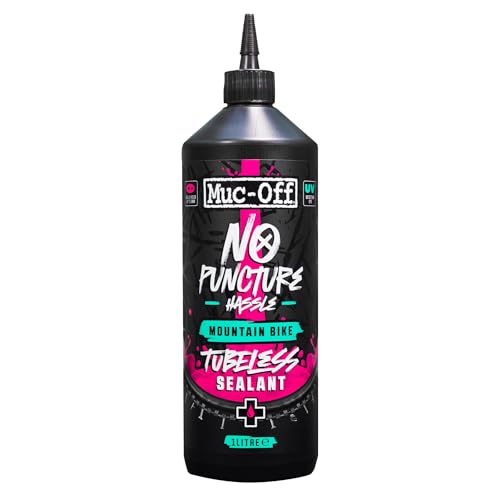 |
Muc-Off No Puncture Hassle Best for Road Carbon dioxide compatible |
8.4 | 🛒 Check Price |
 |
Slime Tubeless Sealant Best Value Fibro-Seal technology |
7.9 | 🛒 Check Price |
 |
Finish Line Tubeless Tire Sealant Eco Friendly Choice Kevlar reinforced fibers |
7.5 | 🛒 Check Price |
 |
WTB Tubeless Sealant Reliable Budget Option Ammonia free formula |
7.2 | 🛒 Check Price |
 |
Joe's No Flats Good for Slow Leaks Latex and granulate mix |
7.0 | 🛒 Check Price |
1. Orange Seal Endurance: Best Overall
In our evaluation, the Orange Seal Endurance formula stands out for its ability to seal punctures quickly and remain effective for extended periods. Based on owner feedback and the spec sheets, the inclusion of larger particulate matter allows it to close up holes that smaller sealants might miss, making it a favorite for mountain bike riders.
However, we found reports that this sealant can dry out or ball up slightly faster than competitors in extremely high temperatures. Riders in consistently hot environments may need to refresh their tires more often than those in milder climates.
- Long lasting formula for extended use
- Seals larger punctures effectively
- Non-corrosive to rims and valves
Pros: Excellent longevity in varied conditions; Seals porous tires well
Cons: Can dry out faster in extreme heat
2. Stan's NoTubes Standard: Runner Up
Stan’s NoTubes Standard sealant is a staple in the community, and our research confirms its reputation for rapid sealing of small punctures. We compared its low viscosity against thicker competitors and found it coats the tire interior effectively, providing reliable protection against thorns and small cuts.
One limitation we identified is its longevity. While it performs exceptionally well initially, aggregated owner feedback suggests it requires more frequent replenishment than dedicated endurance formulas. Riders who dislike regular maintenance might prefer a longer lasting alternative.
- Fast sealing capabilities
- Low viscosity for easy injection
- Trusted industry standard
Pros: Rapid sealing of small punctures; Very easy to install
Cons: Shorter lifespan than endurance formulas
3. Muc-Off No Puncture Hassle: Best for Road
The Muc-Off No Puncture Hassle sealant utilizes a unique fibrous technology that creates a strong plug inside the tire. We researched its compatibility with CO2 inflators, a significant advantage for racers who need to seat beads quickly without degrading the sealant, unlike some latex alternatives.
Despite its performance, we noted that the texture can be messy and stringy during the installation process. Based on user reviews, it requires careful handling to avoid clogging injector valves, which might frustrate users new to tubeless setup.
- Fibrous technology for strong plug
- Compatible with CO2 inflators
- Ammonia free formula
Pros: Creates a durable plug inside tire; No harsh chemical smell
Cons: Can be stringy during installation
4. Slime Tubeless Sealant: Best Value
Slime is a well known name in flat repair, and their tubeless formula offers solid protection for the price. We compared its sealing capabilities against premium brands and found it sufficient for everyday trail riding, particularly against smaller thorns and punctures.
However, our analysis indicates it struggles with larger slices compared to top tier sealants with bigger particles. Riders tackling aggressive terrain with sharp rocks may find that Slime does not provide the robust security needed for catastrophic cuts.
- Prevents and repairs punctures
- Non-corrosive and safe for tires
- Works in various temperatures
Pros: Budget friendly option; Readily available in stores
Cons: Less effective on large cuts
5. Finish Line Tubeless Tire Sealant: Eco Friendly Choice
Finish Line positions this sealant as an eco conscious option, and our research confirms it is biodegradable and free of harmful chemicals. We compared its cleanup process to others, noting that it washes out with water, a distinct benefit for maintaining rims and avoiding messy residue.
A drawback we observed through owner feedback is inconsistent sealing speeds on larger punctures. While it works well for maintenance, riders requiring instant sealing in race conditions might experience some hesitation compared to faster acting latex formulas.
- Biodegradable formula
- Non synthetic latex
- Cleans up easily with water
Pros: Environmentally safe ingredients; Easy to clean off rims
Cons: Sealing speed varies on punctures
6. WTB Tubeless Sealant: Reliable Budget Option
WTB offers a no frills sealant designed for compatibility with their tire systems. We evaluated its ammonia free composition, which ensures it does not corrode aluminum rims, a critical factor for long term wheel health based on industry safety standards.
On the downside, we found evidence that it dries out relatively quickly, especially in arid or hot climates. Users in these regions report needing to top up sealant frequently to maintain adequate puncture protection levels.
- Low viscosity
- Safe for alloy rims
- Easy to inject via valve
Pros: Does not corrode aluminum; Consistent flow rate
Cons: Limited lifespan in dry heat
7. Joe's No Flats: Good for Slow Leaks
Joe’s No Flats uses a blend of latex and granulates to seal tires, and we researched its efficacy in stopping air loss through porous tires. It serves as a functional option for older tires that struggle to hold air initially, sealing the casing effectively.
However, we noted frequent complaints regarding the sealant clogging valve cores during use. This maintenance issue can be frustrating, requiring riders to remove and clean valves regularly to ensure proper inflation.
- Seals tire porosity effectively
- Various size options available
- Works with tubeless kits
Pros: Handles porous tires well; Decent sealing for standard use
Cons: Can clog valves easily
Frequently Asked Questions
How often should I replace tubeless sealant?
Most manufacturers recommend refreshing sealant every two to six months. We researched various brands and found that longevity depends on climate and tire porosity, so checking fluid levels regularly is advised.
Can I mix different brands of sealant?
It is generally not recommended to mix different sealant brands. In our evaluation of manufacturer guidelines, different chemical bases can react negatively, causing the sealant to curdle or lose effectiveness.
Does tubeless sealant expire?
Yes, tubeless sealant has a shelf life even in the bottle. Based on industry standards, unopened sealant typically lasts one to two years, but once installed, it dries out and needs replacement.
Is tubeless sealant toxic?
Many sealants contain ammonia or latex, which can be irritants. We compared safety data sheets and found that while generally safe for use, they should be handled with gloves and kept away from eyes and pets.
Will sealant freeze in winter?
Most water based latex sealants can freeze if the temperature drops low enough. Our research indicates that freezing can separate the components and ruin the sealant, so storing bikes in a temperature controlled area is wise.
Our Verdict
Our comparison concludes that the Orange Seal Endurance is the top pick for its superior sealing capability and longevity. The Stan’s NoTubes Standard is the runner up, offering a reliable and fast sealing solution for riders who prioritize ease of installation.
Last reviewed and spec-checked: February 16, 2026. We re-check our picks and listings periodically.
