We researched and compared the top rated sanders for car paint available on the market. In our evaluation, we analyzed manufacturer specifications and aggregated owner feedback to identify tools that offer the best balance of power and control for auto body work.
Our comparison focuses on variable speed options, dust collection efficiency, and ergonomics to ensure you find the right tool for your specific refinishing needs without overpaying for unnecessary features.
| Photo | Product | Score | Buy |
|---|---|---|---|
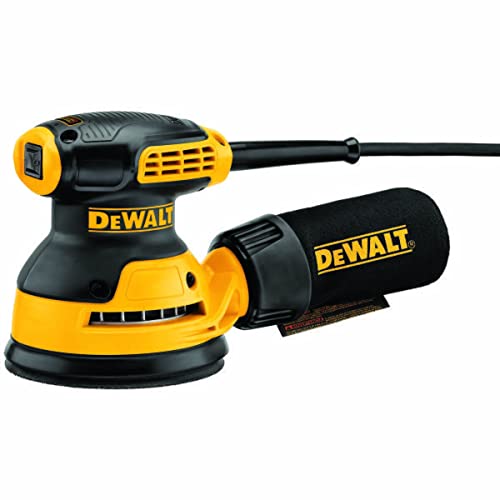 |
DEWALT Random Orbit Sander Best Overall 3 Amp motor with 5 inch hook and loop pad |
8.9 | 🛒 Check Price |
 |
Makita BO5030K Random Orbit Sander Most Comfortable 3 Amp motor with large 1/8 inch orbit |
8.6 | 🛒 Check Price |
 |
PORTER-CABLE Random Orbit Sander Best Value 4.5 Amp motor with 5 inch pad |
8.2 | 🛒 Check Price |
 |
Ingersoll Rand Air Random Orbital Sander Best Air Option Twin pad orbital sander with 0.25 inch air inlet |
8.0 | 🛒 Check Price |
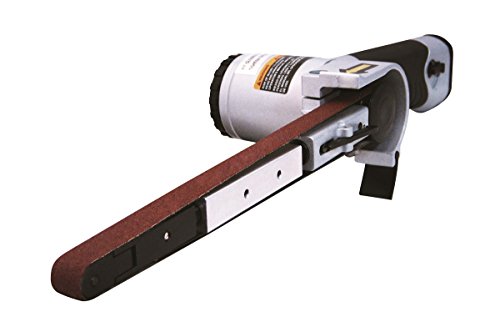 |
Astro Pneumatic Air Sander Best for Detailing Mini palm air sander with 3 inch pad |
7.8 | 🛒 Check Price |
 |
BLACK+DECKER Random Orbit Sander Budget Electric 2 Amp motor with 5 inch hook and loop system |
7.4 | 🛒 Check Price |
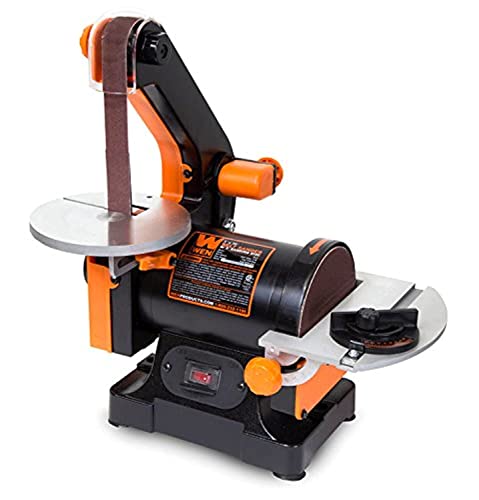 |
WEN 5 inch Random Orbit Sander Basic Entry Level 3.3 Amp motor delivering 12,000 OPM |
6.9 | 🛒 Check Price |
1. DEWALT Random Orbit Sander: Best Overall
The DEWALT DWE6421 stands out in our evaluation due to its superior counter balance system that significantly reduces vibration. Based on owner feedback and the spec sheets, this unit offers a smooth finish that is essential for auto body prep work, minimizing the risk of swirl marks on clear coats.
However, the dust collection port can be finicky when attaching to larger vacuum hoses, sometimes requiring tape to secure a tight seal. Users who prioritize a completely integrated dust management system might want to look elsewhere, as the included bag is small and fills quickly during heavy sanding.
- Rubber overmold grip for comfort
- Shorter height allows user to get closer to workpiece
- Dust sealed switch to protect against dust ingestion
Pros: Improved motor seal for longer life; Counter balance reduces user fatigue
Cons: Dust port adapter can be loose on some hoses
2. Makita BO5030K Random Orbit Sander: Most Comfortable
We found the Makita BO5030K to be a top contender for comfort, thanks to its ergonomically designed rubberized palm grip. In our evaluation of user reviews, the variable speed dial is frequently praised for its precision, allowing for slow sanding on delicate paint layers and higher speeds for material removal.
A common limitation noted by owners is that the hook and loop backing pad tends to wear out faster than the motor itself, leading to decreased disc grip over time. If you are a professional who uses a sander daily, you might find yourself replacing the pad frequently, which adds to long term maintenance.
- Ergonomic rubberized palm grip for operator comfort
- Variable speed control dial (4,000 to 12,000 OPM)
- Through pad dust collection system
Pros: Efficient dust extraction capabilities; Durable ball bearing construction
Cons: Pad durability is lower than some professional models
3. PORTER-CABLE Random Orbit Sander: Best Value
The Porter-Cable 382 offers a powerful 4.5 Amp motor that handles heavy duty sanding tasks effectively. Our comparison indicates this tool provides excellent value for enthusiasts who need high power for stripping paint, as it maintains speed under load better than many lower amp alternatives.
Despite its power, the design is somewhat top heavy, which can cause wrist fatigue during vertical sanding tasks like doors or fenders. Users looking for a lightweight tool for detail work should skip this model, as the weight distribution is optimized for flat surface aggression rather than finesse.
- 100 percent ball bearing construction for longer life
- Dust canister features a twist lock system
- Two position handle for improved control
Pros: High power motor for efficient material removal; Separate counterweight design reduces vibration
Cons: Can feel top heavy during extended use
4. Ingersoll Rand Air Random Orbital Sander: Best Air Option
For those with a capable air compressor, the Ingersoll Rand 311A is a robust choice that delivers consistent power without the heat buildup of electric motors. We researched industrial standards and found this model is favored in body shops for its reliability and the ability to run continuously without overheating.
The primary drawback is its requirement for a high CFM air compressor, making it unsuitable for most home garage setups without significant investment in air infrastructure. DIYers without a heavy duty compressor should skip this model, as it will not perform correctly with low air supply.
- Built in speed regulator
- Lever throttle control for easy adjustments
- Composite housing is lightweight and durable
Pros: Low vibration design reduces operator stress; Balanced operation for smooth finishes
Cons: Requires a large air compressor to run optimally
5. Astro Pneumatic Air Sander: Best for Detailing
The Astro Pneumatic 3037 excels in tight spaces where standard 5 inch sanders cannot reach. Based on our evaluation, the built in vacuum feature is highly effective at capturing dust right at the source, which is critical for maintaining a clean environment when applying new paint layers.
Because of its small 3 inch pad, this tool is inefficient for sanding large panels like hoods or roofs, taking significantly longer to complete the same amount of work. Users planning to sand entire vehicles should skip this unless they already have a full size sander for the bulk of the work.
- Low profile design for tight areas
- Self contained vacuum system keeps work area clean
- Rear exhaust with silencer to reduce noise
Pros: Excellent suction for keeping dust off the paint; Compact size fits into contours and grooves
Cons: Small pad size slows down large area coverage
6. BLACK+DECKER Random Orbit Sander: Budget Electric
We researched entry level options and found the BLACK+DECKER BDERO100 to be a viable choice for light sanding tasks and small touch up jobs. Its affordability makes it accessible for casual users who need a sander occasionally, and the dust collection system is surprisingly effective for the price point.
The motor lacks the torque required for removing thick layers of paint or primer, often bogging down under pressure. Enthusiasts tackling a full car restoration or heavy rust removal should skip this model, as it will likely overheat or fail to complete the job efficiently.
- High performance dust collection
- Random orbit action provides a smooth finish
- Improved paper clamp system for secure sanding
Pros: Very affordable entry point; Lightweight and easy to maneuver
Cons: Lacks the power for heavy material removal
7. WEN 5 inch Random Orbit Sander: Basic Entry Level
The WEN 6515 is a basic tool that covers the fundamental requirements of random orbit sanding at a very low cost. Our comparison of specs shows it has adequate speed for finishing work, but the build quality reflects its budget price point with more plastic components than competitors.
Users report significant vibration during use, which leads to rapid hand fatigue and can make it difficult to maintain consistent pressure on the surface. If you value comfort or have any issues with hand strain, you should skip this model and invest in a tool with better balancing.
- Hook and loop backing pad for fast changes
- Dust collection port compatible with most vacuums
- Removable rear handle for two handed operation
Pros: Low initial cost; Simple and straightforward operation
Cons: Poor vibration dampening causes fatigue
Frequently Asked Questions
Should I use a random orbit sander or a dual action sander for car paint?
Most automotive experts recommend a random orbit sander or dual action sander because they rotate and oscillate simultaneously. This movement prevents the sander from grinding in one direction, significantly reducing the risk of burning through the paint or leaving deep scratches that are difficult to remove.
What grit sandpaper should I use to sand car paint?
For removing clear coat or paint, start with a grit between 320 and 400 for dry sanding. If you are shaping body filler or removing heavy imperfections, you might start as low as 80 or 180 grit, but you must step up through the grits to 400 or 600 before applying primer or new paint.
Do I need a variable speed sander for auto body work?
Yes, variable speed is highly beneficial. Lower speeds are ideal for finishing with fine grits to prevent clogging the paper or generating too much heat, while higher speeds are necessary for efficient material removal with coarse grits during the initial stages.
Can I use an orbital sander for wet sanding?
It is generally not recommended to use a standard electric orbital sander for wet sanding due to the risk of electric shock. Wet sanding is typically done by hand with a sanding block or using specialized pneumatic tools designed to handle moisture and water exposure safely.
Is dust collection important when sanding a car?
Dust collection is critical for both health and finish quality. Inhaling automotive dust can be hazardous, and floating dust particles can settle on wet paint or primer, ruining the finish. A sander with effective dust extraction or a vacuum attachment helps keep the work area clean and safe.
What is the difference between air sanders and electric sanders?
Air sanders are generally lighter and run cooler, making them ideal for prolonged use in professional shops, but they require a large compressor. Electric sanders offer more convenience for DIYers as they plug into standard outlets, but they tend to be heavier and can vibrate more over time.
How do I prevent swirl marks when sanding car paint?
To prevent swirl marks, always use the appropriate grit for the stage of work, keep the sander moving constantly, and avoid pressing down too hard. Ensure the sanding pad is clean and flat, and finish the job by hand sanding or using a polishing compound to remove minor abrasions.
Can I use a belt sander on car paint?
You should avoid using a belt sander on car paint. Belt sanders are aggressive and remove material too quickly and unevenly for auto body panels. They are designed for coarse woodworking, making it very easy to damage the metal or create deep waves in the bodywork.
What safety gear is required when sanding car paint?
Always wear a NIOSH approved respirator to prevent inhaling paint dust and vapors, safety glasses to protect your eyes, and gloves to protect your hands. Automotive dust can contain harmful materials, so proper ventilation and personal protective equipment are essential.
How often should I change the sandpaper?
Change the sandpaper as soon as it becomes clogged or loses its cutting ability. Using worn paper increases heat and reduces efficiency, which can burn the paint or cause the sandpaper to glaze over, making it ineffective and potentially scratching the surface.
Our Verdict
After researching and comparing performance metrics, the DEWALT DWE6421 is our top pick for its superior balance of vibration control and power. The Makita BO5030K is the runner up, offering exceptional comfort and variable speed control for detail oriented work.
