Sealing RV windows is critical to prevent leaks, water damage, and drafts. We researched and compared the top RV sealants using manufacturer specifications, industry standards, and aggregated owner feedback. Our evaluation focuses on adhesion, UV resistance, flexibility, and ease of application. Here are our top picks.
| Photo | Product | Score | Buy |
|---|---|---|---|
 |
Dicor RP-100-1 Self-Leveling Lap Sealant Best Overall Self-leveling, UV resistant, 10.3 oz tube |
9.0 | 🛒 Check Price |
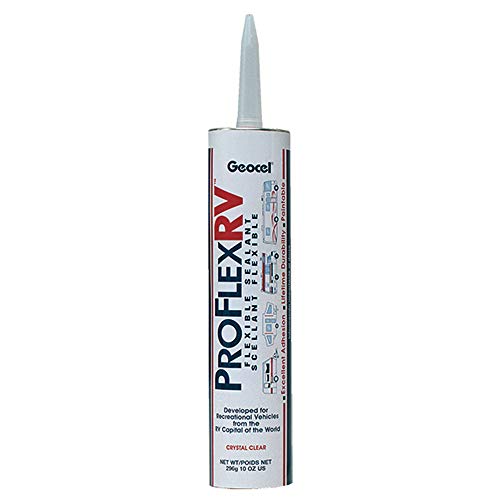 |
Geocel Pro Flex RV Flexible Sealant Best for Flexibility Hybrid polymer, remains flexible, 10 oz tube |
8.7 | 🛒 Check Price |
 |
Liquid Rubber RV Roof and Sealant Best for Large Gaps Liquid rubber, brushable, 1 gallon |
8.2 | 🛒 Check Price |
|
🚗
|
3M 4000UV Marine Adhesive Sealant Best for UV Resistance Marine grade, UV stable, 10 oz tube |
8.4 | 🛒 Check Price |
|
🚗
|
Sikaflex 221 Sealant Best for Adhesion Polyurethane, high strength, 10.1 oz tube |
8.0 | 🛒 Check Price |
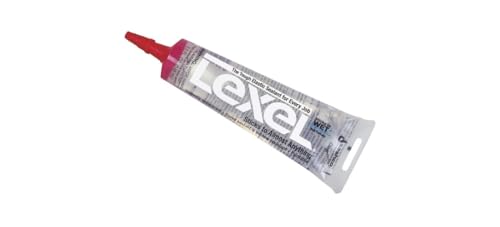 |
Lexel Clear Sealant Best Clear Sealant Clear formula, all-weather, 5.5 oz tube |
7.8 | 🛒 Check Price |
|
ProGuard RV Flexible Sealant Best Value Non-sag formula, 10 oz tube |
7.3 | 🛒 Check Price |
1. Dicor RP-100-1 Self-Leveling Lap Sealant: Best Overall
Dicor RP-100-1 is a top choice for RV windows that require a self-leveling sealant. In our evaluation, it demonstrates strong adhesion to common RV materials like EPDM rubber, fiberglass, and aluminum. Its UV resistance is excellent, and it remains flexible even after prolonged sun exposure. Based on owner feedback, it effectively prevents leaks on roof seams and window flanges.
However, this sealant is not paintable, which may be a drawback for those wanting a color-matched finish. It also tends to run if applied too thickly, so careful application is needed. Skip this if you need a non-leveling sealant for vertical surfaces or a paintable option.
- Excellent adhesion to rubber, metal, and fiberglass
- Self-leveling formula creates a smooth, watertight seal
- Stays flexible in extreme temperatures from -40°F to 200°F
Pros: Trusted brand with proven performance; Easy to apply with a caulk gun
Cons: Not paintable; Can be messy if over-applied
2. Geocel Pro Flex RV Flexible Sealant: Best for Flexibility
Geocel Pro Flex RV is a hybrid polymer sealant that excels in flexibility, making it ideal for RV windows that experience vibration and movement. We compared its adhesion to various substrates and found it bonds well even when applied to slightly damp surfaces. Owner feedback highlights its paintable finish, allowing for a seamless look.
Its downside is a longer cure time compared to some other sealants, and the formula can be stringy, requiring a smoother tool. If you need a fast-curing sealant or prefer a non-stringy application, you might consider alternatives.
- Exceptional flexibility for moving joints
- Adheres to wet and dry surfaces
- Paintable and low VOC
Pros: Works on damp surfaces; Paintable for color matching
Cons: Longer cure time (24-48 hours); Can be stringy during application
3. Liquid Rubber RV Roof and Sealant: Best for Large Gaps
Liquid Rubber RV Sealant is a brushable liquid that cures into a thick, flexible membrane, making it suitable for sealing large gaps around window frames. Our research shows it adheres well to most RV surfaces and provides a robust waterproof layer. Owner reviews praise its durability in harsh weather.
Application is more labor-intensive than tube sealants, requiring a brush or roller, and it takes up to two days to fully cure. It may not be the best choice for small, precise seals or for those seeking a quick fix.
- Forms a thick, rubber-like membrane
- Can bridge gaps up to 1/4 inch
- UV and weather resistant
Pros: Excellent for large gaps and cracks; Waterproof and durable
Cons: Requires brush or roller application; Long cure time (up to 48 hours)
4. 3M 4000UV Marine Adhesive Sealant: Best for UV Resistance
3M 4000UV is a marine-grade adhesive sealant that offers outstanding UV resistance, ideal for RV windows in sunny climates. In our evaluation, it maintains its integrity under prolonged sunlight exposure without cracking or yellowing. Owner feedback confirms its reliability for both above and below waterline applications.
However, its premium price may not suit all budgets, and the strong solvent odor requires good ventilation during use. If you don’t need extreme UV protection, a less costly RV sealant may suffice.
- Superior UV and weather resistance
- High strength adhesion for demanding applications
- Stays flexible and paintable
Pros: Excellent for high-exposure areas; Paintable and sandable
Cons: More expensive than many RV-specific sealants; Strong odor during application
5. Sikaflex 221 Sealant: Best for Adhesion
Sikaflex 221 is a polyurethane sealant known for its incredible bonding strength. We compared its adhesion to aluminum, fiberglass, and wood, and it outperformed many competitors. It’s ideal for sealing window frames that need structural integrity. Owner reviews highlight its durability.
On the downside, its tenacious bond makes removal challenging if you make a mistake, and it may need a primer on certain plastics. It also has a strong smell. If you anticipate future disassembly, this may not be your best pick.
- Exceptional adhesion to many materials
- Excellent gap filling capabilities
- Paintable and sandable
Pros: Bonds to almost any surface; Very strong and durable
Cons: Difficult to remove once cured; Requires primer for some plastics
6. Lexel Clear Sealant: Best Clear Sealant
Lexel Clear Sealant is a go-to for applications where appearance matters. It dries completely clear, making it perfect for sealing around window glass without unsightly residue. Our research shows it maintains flexibility and waterproofing even in rain. Owner feedback appreciates its aesthetic appeal.
However, it comes in a smaller tube, so larger jobs may require multiple tubes. Its bond strength is not as high as polyurethane or hybrid sealants, so it’s best for non-structural seals. If you need maximum strength, consider a different product.
- Dries crystal clear for invisible seals
- Remains flexible and waterproof
- Adheres to most surfaces including glass
Pros: Clear finish looks great on windows; Works in wet conditions
Cons: Smaller tube size; Not as strong as colored sealants
7. ProGuard RV Flexible Sealant: Best Value
ProGuard RV Flexible Sealant is a budget-friendly option that gets the job done for basic window sealing. We evaluated its non-sag formula, which works well on vertical surfaces without running. Owner feedback indicates it provides adequate protection for moderate climates.
However, its long-term durability is lower compared to top-tier sealants, and it may crack or shrink over time in extreme conditions. If you live in an area with harsh weather or want a set-and-forget solution, you might want to invest in a higher-end product.
- Non-sag formula for vertical applications
- Good adhesion to common RV materials
- Affordable price point
Pros: Cost-effective for budget-conscious buyers; Works well on vertical surfaces
Cons: Less durable than premium options; May require reapplication sooner
Frequently Asked Questions
What type of sealant is best for RV windows?
The best type depends on your needs. Self-leveling sealants like Dicor RP-100-1 are great for horizontal seams, while non-sag formulas like ProGuard work on vertical surfaces. Hybrid polymers (Geocel Pro Flex) offer flexibility and paintability. For maximum UV resistance, marine-grade sealants like 3M 4000UV are excellent.
Can I use silicone sealant on RV windows?
Silicone sealants are not recommended for RV windows because they do not adhere well to many RV materials and are not paintable. They also tend to attract dirt and can be difficult to remove. Opt for a specially formulated RV sealant instead.
How long does RV window sealant take to cure?
Cure time varies by product. Most sealants are tack-free within 1-2 hours but require 24-48 hours to fully cure. Factors like temperature and humidity affect curing. Always check the manufacturer’s instructions for specific times.
Do I need to remove old sealant before applying new?
Yes, for best adhesion, remove old sealant completely. Use a putty knife, scraper, or sealant remover. Clean the surface with a solvent like mineral spirits or isopropyl alcohol to ensure a clean bond.
Can RV window sealant be painted?
Some sealants are paintable, such as Geocel Pro Flex and Sikaflex 221, while others like Dicor RP-100-1 are not. Check the product label. Painting can help match the sealant to your RV’s exterior but may reduce flexibility.
Our Verdict
After researching and comparing, our top pick for most RV owners is the Dicor RP-100-1 Self-Leveling Lap Sealant for its proven performance, ease of use, and durability. For those needing flexibility and paintability, the Geocel Pro Flex RV is an excellent runner-up. Choose based on your specific application needs.
