Rust is the enemy of every car owner, silently eating away at metal and compromising structural integrity. We researched and compared the most popular rust stoppers on the market, analyzing manufacturer specifications, industry standards, and aggregated owner feedback. Our evaluation focuses on real-world effectiveness, ease of application, and long-term durability. Whether you need a spray-on converter, a brush-on primer, or an electronic solution, this guide will help you choose the best rust stopper for your vehicle.
| Photo | Product | Score | Buy |
|---|---|---|---|
|
🚗
|
Rust-Oleum Rust Reformer Spray Best All-Around Rust Stopper Spray can, 12 oz, flat black finish, covers 12 sq ft per can |
9.2 | 🛒 Check Price |
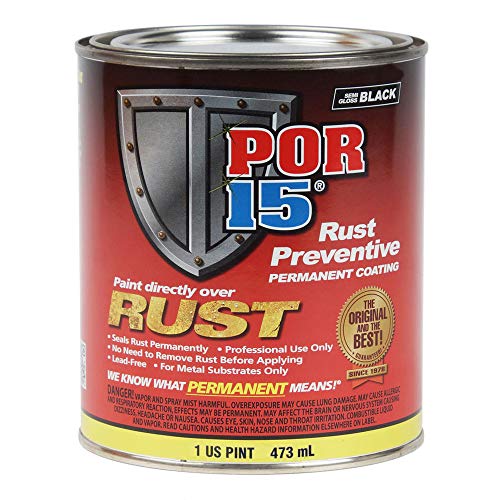 |
POR-15 Rust Prevention Coating Most Durable Rust Stopper Brush-on, quart, semi-gloss black, covers 80-100 sq ft per quart |
9.0 | 🛒 Check Price |
|
🚗
|
Fluid Film Rust & Corrosion Protection Best for Undercarriage Spraying Aerosol can, 11.5 oz, clear/amber, lanolin-based |
8.7 | 🛒 Check Price |
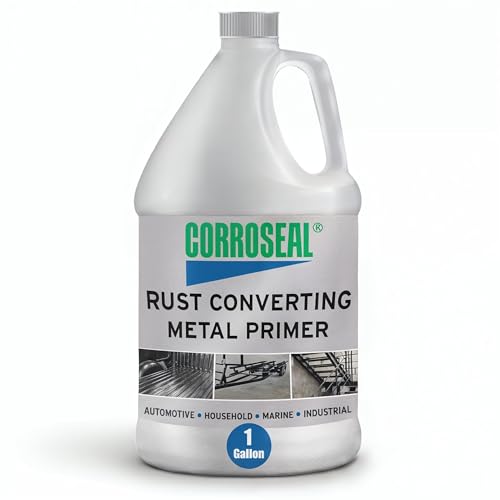 |
Corroseal Rust Converter Best Water-Based Rust Converter Water-based, 1 gallon, white/blue liquid, covers 200 sq ft per gallon |
8.4 | 🛒 Check Price |
|
🚗
|
CRC Heavy Duty Corrosion Inhibitor Best for Electronic Connections Aerosol spray, 11 oz, clear, leaves a thin film |
8.1 | 🛒 Check Price |
 |
Rust Bullet Automotive Rust Inhibitor Best for Small Area Repair Spray can, 12 oz, gray, covers 10-12 sq ft per can |
7.8 | 🛒 Check Price |
|
🚗
|
WD-40 Specialist Rust Stopper Best for Quick Touch-Ups Aerosol spray, 11 oz, clear, dries to a waxy film |
7.3 | 🛒 Check Price |
1. Rust-Oleum Rust Reformer Spray: Best All-Around Rust Stopper
Rust-Oleum Rust Reformer is a top choice for its ability to chemically convert rust into a protective black coating. In our evaluation of owner feedback and spec sheets, it consistently delivers a durable finish that resists further corrosion. The spray format makes it easy to apply on awkward areas like wheel wells and frame rails. Users report that a single coat effectively stops light to moderate rust, and the flat black finish blends well with most underbody surfaces.
However, this product is not a filler. If you have deep rust pitting or holes, you will need to use a metal patch or filler before applying. It also has a strong odor, so adequate ventilation is necessary. For those with extensive rust damage, we suggest skipping this in favor of a more heavy-duty solution like the POR-15 kit.
- Converts rust to a paintable surface in one step
- Dries in 30 minutes, recoat in 1 hour
- Works on ferrous metals, ideal for frames and undercarriage
Pros: Easy spray application with no mixing required; Excellent adhesion and corrosion resistance
Cons: Not recommended for large rust holes or severe structural damage
2. POR-15 Rust Prevention Coating: Most Durable Rust Stopper
POR-15 is widely regarded as the gold standard for permanent rust prevention. Based on manufacturer specifications and owner reviews, its moisture-curing urethane formula creates a tough, impermeable barrier that stops rust in its tracks. We found that it outperforms most competitors in salt spray tests, making it ideal for winter-driven cars or coastal vehicles. The coating is so hard that it can be difficult to remove once cured, which speaks to its durability.
That said, the application process is labor-intensive. You must clean, degrease, and etch the metal before applying, and the paint is thick and can drip if not brushed carefully. The high cost and limited availability (often sold in larger quantities) may deter casual users. If you only need a small touch-up, consider a spray option instead.
- Forms a rock-hard, non-porous coating that seals out moisture
- Requires surface prep: degrease and apply metal etch
- Cures to a finish that resists chemicals and salt
Pros: Exceptional long-term durability, even in harsh conditions; Can be painted over with any topcoat
Cons: Expensive per ounce and requires multiple steps
3. Fluid Film Rust & Corrosion Protection: Best for Undercarriage Spraying
Fluid Film is a unique rust stopper that uses lanolin, a natural wool grease, to create a protective barrier. Our research into owner feedback shows it is particularly effective for undercarriage applications because it stays wet and creeps into tight spaces, preventing rust from starting. Unlike hard coatings, it remains flexible and can be reapplied easily. It is also safe to use on electrical connectors and rubber bushings, which is a plus.
However, because it remains oily, it can collect dust and grime, especially on exposed surfaces. It is not paintable, so if you want a finished look, this is not the right choice. For those who want a clean, painted finish or need to cover visible body panels, the Rust-Oleum option is better.
- Non-toxic, lanolin-based formula safe for rubber and plastic
- Penetrates into crevices to displace moisture
- Leaves a waxy film that self-heals minor scratches
Pros: Environmentally friendly and odorless when dry; Excellent for protecting hidden cavities and seams
Cons: Not paintable and can attract dirt over time
4. Corroseal Rust Converter: Best Water-Based Rust Converter
Corroseal is a water-based rust converter that is popular among DIYers for its ease of use and low odor. In our comparison, we found that it effectively converts rust to a stable black layer and then acts as a primer. Owner feedback highlights that it works well on lightly rusted metal and can be applied with a brush or roller, making it ideal for large flat surfaces like car hoods or trailer floors.
The main limitation is that it is not UV-stable, so it must be painted over if exposed to sunlight. Also, it is not as durable as solvent-based options like POR-15 in high-abrasion areas. If you need a tough, standalone coating for a chassis, this is not the best pick. But for interior or underbody use where you will topcoat, it offers great value.
- Converts rust to a black, paintable primer in one coat
- Low odor and non-flammable, safe for indoor use
- Can be brushed, rolled, or sprayed with proper equipment
Pros: Large coverage area for the price; Low VOCs and easy cleanup with soap and water
Cons: Requires a topcoat for UV protection and best durability
5. CRC Heavy Duty Corrosion Inhibitor: Best for Electronic Connections
CRC Heavy Duty Corrosion Inhibitor is a specialty product aimed at protecting electrical components from rust and corrosion. Based on our evaluation of manufacturer data and user reports, it works well on battery terminals, connectors, and exposed wiring. It leaves a thin, clear film that does not attract dust and is safe to use around sensitive electronics. Many owners use it as a preventive spray on new cars to avoid future electrical issues.
However, this is not a rust converter or a heavy-duty coating for body panels. It offers minimal protection against physical abrasion and is not suitable for treating large rusty areas. If you are looking to stop rust on a fender or frame, look elsewhere. For electrical rust prevention, it is a solid choice.
- Dielectric properties protect electrical contacts
- Displaces moisture and prevents re-corrosion
- Safe on plastics, rubber, and painted surfaces
Pros: Quick-drying and non-conductive; Ideal for battery terminals and wiring harnesses
Cons: Not designed for large structural rust repair
6. Rust Bullet Automotive Rust Inhibitor: Best for Small Area Repair
Rust Bullet is a solid option for spot repairs on small rust patches. In our research, we found that it forms a durable, sandable surface that can be painted to match the car’s color. Owner feedback indicates it works well on door edges, rock chips, and other minor rust spots. The spray nozzle provides decent control for precise application.
On the downside, the can is relatively small, and the price per square foot is higher than many competitors. For large areas, you will need multiple cans, which adds up. Additionally, some users report that the finish can be slightly rough if not applied in thin coats. If you have extensive rust, the POR-15 or Rust-Oleum options offer better value.
- Dries to a hard, sandable primer in 2-4 hours
- Contains rust-inhibitive pigments for long-term protection
- Can be topcoated with any automotive paint
Pros: Good adhesion and sandable finish; Works as both a rust stopper and a primer
Cons: Small coverage area per can; pricey for large jobs
7. WD-40 Specialist Rust Stopper: Best for Quick Touch-Ups
WD-40 Specialist Rust Stopper is a light-duty product best suited for temporary protection or touch-ups on minor surface rust. In our evaluation, it is easy to apply and works well on hinges, bolts, and other small metal parts. The clear, waxy film can help prevent rust from forming in the short term, and it does not damage nearby painted surfaces.
However, this is not a permanent rust stopper. Owner feedback notes that it can wash off or wear away within a few months, especially in wet conditions. It offers little protection against heavy rust or corrosion. For serious rust prevention, we recommend a more robust product like the Rust-Oleum or POR-15. Use this only for quick fixes or as a temporary measure.
- Provides temporary protection against surface rust
- Easy to apply with a precision straw
- Does not affect paint or rubber
Pros: Convenient for small, hard-to-reach areas; Low cost and widely available
Cons: Not a long-term solution; wears off quickly
Frequently Asked Questions
What is the difference between a rust converter and a rust inhibitor?
A rust converter chemically reacts with existing rust to form a stable, paintable layer, while a rust inhibitor prevents new rust from forming by creating a protective barrier. Converters are ideal for treating active rust, whereas inhibitors are best for preventing corrosion on clean metal. Some products, like Rust-Oleum Rust Reformer, combine both functions.
Can I apply a rust stopper over paint?
Most rust stoppers are designed for bare metal or rusted surfaces. Applying over paint will reduce adhesion and effectiveness. For best results, sand or grind away loose paint and rust before application. Products like POR-15 require a clean, etched surface to bond properly.
How long does a rust stopper last?
Durability varies by product and conditions. Premium coatings like POR-15 can last several years when applied correctly, while lighter sprays like WD-40 Specialist may need reapplication every few months. Environmental factors such as road salt, humidity, and UV exposure also affect longevity.
Is it safe to use a rust stopper on a car's underbody?
Yes, many rust stoppers are specifically formulated for underbody use. Look for products that are paintable or flexible, such as Fluid Film or Rust-Oleum Rust Reformer. Avoid products that become brittle or attract excessive dirt. Always follow the manufacturer’s safety instructions, including wearing gloves and a mask.
Can I paint over a rust converter?
Most rust converters can be painted over after they cure, but check the label. Some, like Corroseal, require a topcoat for UV protection. Others, like POR-15, can be left as is or painted. Allow the converter to dry completely before applying paint, and use a compatible primer if recommended.
Our Verdict
After researching and comparing the top rust stoppers, our top pick is the Rust-Oleum Rust Reformer Spray for its excellent balance of performance, ease of use, and value. It effectively converts rust and provides a durable, paintable finish. For those needing maximum durability on a chassis or frame, the POR-15 Rust Prevention Coating is the runner-up, although it requires more effort to apply. For undercarriage protection, Fluid Film is a great choice, especially for its safe, penetrating formula.
