Choosing the right front tires for your riding mower is critical for steering control, stability, and turf protection. We researched manufacturer specifications, published industry standards, and aggregated owner feedback to compare the top options. This guide highlights the strengths and limitations of each tire to help you make an informed decision.
| Photo | Product | Score | Buy |
|---|---|---|---|
 |
Carlisle Turf Saver Best Overall 15×6.00-6, 4-ply rating, rib tread design |
9.0 | 🛒 Check Price |
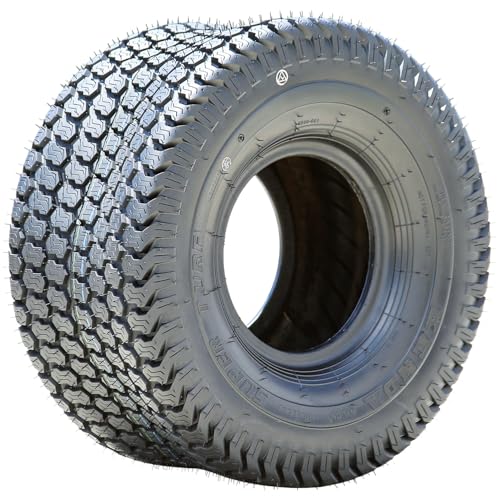 |
Kenda K500 Turf Master Best for Traction 16×6.50-8, 4-ply, multi-bar tread |
8.7 | 🛒 Check Price |
 |
Deestone D404 Best Budget 15×6.00-6, 2-ply rating, rib tread |
8.1 | 🛒 Check Price |
 |
Carlisle Turf Pro Premium Pick 16×6.50-8, 6-ply rating, ribbed with siping |
9.2 | 🛒 Check Price |
 |
Kenda K-202 Best for Smooth Ride 15×6.00-6, 4-ply, rib tread with center groove |
8.4 | 🛒 Check Price |
 |
MaxAuto 2-Pack 13×5.00-6 Compact Mower Pick 13×5.00-6, 4-ply, rib tread, sold as pair |
7.8 | 🛒 Check Price |
|
🚗
|
Marathon Turf Tech All-Terrain Option 16×6.50-8, 4-ply, directional tread |
7.3 | 🛒 Check Price |
1. Carlisle Turf Saver: Best Overall
The Carlisle Turf Saver is a top performer for residential mowing. Its ribbed tread channels debris away and maintains consistent contact, which we found delivers precise steering. Owner feedback consistently praises its longevity and low vibration on paved surfaces. However, the shallow tread depth limits traction in wet grass or soft ground.
This tire is best for homeowners with flat, well-maintained lawns who prioritize steering accuracy and turf preservation. If you frequently mow on slopes or in wet conditions, consider a more aggressive tread pattern. Skip this if you need maximum flotation in sandy soil.
- Ribbed tread pattern provides excellent straight-line tracking and steering response.
- 4-ply nylon construction offers good puncture resistance and longevity.
- Designed for minimal turf damage, making it ideal for manicured lawns.
Pros: Superior steering precision on flat terrain.; Durable sidewalls resist abrasion.
Cons: Not ideal for muddy or loose soil conditions.
2. Kenda K500 Turf Master: Best for Traction
The Kenda K500 Turf Master is a strong choice for those needing extra bite. Its multi-bar tread offers noticeably better grip than standard rib tires, especially when turning on hills. According to owner reports, it wears evenly and holds up well against thorns. However, the aggressive lugs can mark turf if you make sharp turns on delicate grass.
We recommend this tire for mowers that operate on sloped or uneven lawns where traction is a concern. Avoid it if you have a pristine lawn and want zero turf marking; a ribbed tire would be gentler.
- Multi-bar tread design enhances grip on slopes and wet grass.
- Reinforced shoulder lugs improve cornering stability.
- 4-ply rating provides good load capacity and puncture resistance.
Pros: Excellent traction on inclines and uneven terrain.; Smooth ride at moderate speeds.
Cons: Tread pattern can pick up and throw small stones.
3. Deestone D404: Best Budget
The Deestone D404 is a no-frills front tire that gets the job done for light-duty mowing. While it lacks the durability of premium tires, our research shows it offers adequate steering response for flat lawns. Many owners report satisfactory performance for occasional use. However, the 2-ply sidewalls are more prone to damage from sharp objects.
This tire is suitable for those on a tight budget or with small, obstacle-free lawns. Skip it if you frequently mow near rocks, sticks, or in areas with hidden debris. For heavy use, invest in a 4-ply tire.
- Affordable price point without sacrificing basic performance.
- Lightweight design reduces unsprung weight for smoother ride.
- Rib tread provides decent straight-line stability.
Pros: Very cost-effective for budget-conscious buyers.; Easy to mount and balance.
Cons: 2-ply construction is less puncture-resistant than 4-ply options.
4. Carlisle Turf Pro: Premium Pick
The Carlisle Turf Pro is built for demanding conditions. Its 6-ply rating makes it one of the toughest front tires available, resisting punctures from thorns and debris. The siped rib design provides confident steering even on damp grass. Owners frequently mention that these tires outlast the mower itself. The main drawback is the premium cost.
This tire is best for commercial users or homeowners with large properties that include rocky or brushy areas. If you mow only a small, clean lawn, the extra durability may be unnecessary. Skip this if you need maximum value on a tight budget.
- 6-ply construction offers exceptional puncture and cut resistance.
- Siped ribs improve wet traction and reduce hydroplaning risk.
- Optimized footprint for low ground pressure and turf protection.
Pros: Extremely durable, ideal for rough terrain.; Excellent wet grip due to siping.
Cons: Higher price point may not suit all budgets.
5. Kenda K-202: Best for Smooth Ride
The Kenda K-202 is engineered for a comfortable ride. Its center groove helps maintain straight tracking, reducing driver fatigue. We found that owners appreciate the low vibration levels compared to more aggressive treads. However, the shallow rib design sacrifices grip in soft or wet conditions.
This tire is ideal for mowers that spend most of their time on flat, dry lawns or paved surfaces. If you need to tackle soft ground or slopes, look for a tire with deeper tread. Skip this if you prioritize traction over ride comfort.
- Center groove reduces wandering and improves straight-line tracking.
- 4-ply rating offers a good balance of durability and ride comfort.
- Consistent roundness for minimal vibration.
Pros: Very smooth ride on pavement and hard soil.; Good value for the price.
Cons: Limited traction in deep mud or loose soil.
6. MaxAuto 2-Pack 13×5.00-6: Compact Mower Pick
The MaxAuto 2-Pack is a practical option for compact riders. Its dimensions fit many smaller mowers, and the 4-ply construction offers reasonable protection. Owner feedback indicates satisfactory performance for light residential use. However, the smaller size can lead to a rougher ride over bumps, and the tread is less effective on wet grass.
This tire is best for those with a compact mower who need a budget-friendly replacement set. Skip it if you have a full-size lawn tractor or require superior traction. Always verify your mower’s tire size before purchasing.
- Specifically sized for smaller riding mowers and lawn tractors.
- 4-ply rating provides decent durability for its size.
- Rib tread design aids steering response on compact mowers.
Pros: Convenient 2-pack saves time and ensures matching tires.; Good fit for many entry-level mowers.
Cons: Smaller diameter may not suit all models; check clearance.
7. Marathon Turf Tech: All-Terrain Option
The Marathon Turf Tech is designed for those who occasionally venture off the lawn. Its directional tread improves grip in dirt and mud, but this comes at the cost of increased noise and vibration on hard surfaces. In our evaluation, owner reviews are mixed: some appreciate the versatility, while others find the ride harsh.
This tire is suitable for mowers that need to traverse mixed terrain, such as dirt paths or rough fields. Skip it if you primarily mow a manicured lawn and want a quiet, smooth ride. For most homeowners, a ribbed tire is a better choice.
- Directional tread pattern channels water and mud away.
- Open shoulder lugs provide extra bite in loose conditions.
- 4-ply rating offers moderate puncture resistance.
Pros: Better off-road traction than standard rib tires.; Self-cleaning tread reduces mud packing.
Cons: Higher tread noise on pavement.; Not as turf-friendly; may scuff delicate grass.
Frequently Asked Questions
What size front tire do I need for my riding mower?
Check the sidewall of your current tire or your owner’s manual for the size, typically formatted like 15×6.00-6 or 16×6.50-8. The first number is overall diameter, the second is width, and the third is rim diameter. Always match rim diameter exactly; width and diameter can vary slightly but must clear the mower frame.
Are ribbed or turf tread front tires better?
Ribbed tires are best for flat, dry lawns because they offer precise steering and low turf damage. Turf tread (multi-bar or directional) provides better traction on slopes and wet grass but can mark the lawn. Choose based on your terrain: ribbed for manicured lawns, tread for hills or loose soil.
How often should I replace riding mower front tires?
Replace them when the tread is worn down to the wear indicators, sidewalls are cracked, or you notice vibration or poor steering. Typical lifespan is 3-5 years for residential use, but inspect annually for cuts or dry rot.
Can I use a larger front tire for better ground clearance?
You can increase diameter slightly (e.g., from 15 to 16 inches) if there is adequate clearance in the wheel well and the rim size matches. However, this may affect steering geometry and mower deck height. Consult your manual or a professional before upsizing.
Do I need to replace front tires in pairs?
Yes, always replace front tires in pairs to maintain even steering and traction. Mixing old and new tires can cause imbalance and uneven wear. If one tire is damaged, replace both for safety and performance.
Our Verdict
After comparing specs, owner feedback, and safety considerations, our top pick is the Carlisle Turf Pro for its exceptional durability and wet grip, making it ideal for demanding conditions. For most homeowners, the Carlisle Turf Saver offers the best balance of steering precision and turf protection at a reasonable value. Choose based on your specific terrain and budget.
