We researched and compared the top residential window tint films available on Amazon, analyzing manufacturer specifications, industry standards (such as ASTM E903 for solar heat gain and UV protection ratings), and aggregated owner feedback. Our evaluation focuses on heat rejection, durability, ease of installation, and overall value to help you choose the best film for your home. Below are our top picks, each with honest strengths and limitations.
| Photo | Product | Score | Buy |
|---|---|---|---|
 |
Gila Heat Control Platinum Series Best Overall VLT 38%, TSER 58%, UV rejection 99% |
9.0 | 🛒 Check Price |
 |
3M Night Vision Series Premium Pick VLT 15%, TSER 68%, UV rejection 99% |
8.7 | 🛒 Check Price |
 |
Rabbitgoo Privacy Film Best for Privacy VLT 5%, TSER 45%, UV rejection 96% |
8.4 | 🛒 Check Price |
 |
VViViD Professional Nano Ceramic Best Ceramic Film VLT 35%, TSER 62%, UV rejection 99% |
8.1 | 🛒 Check Price |
 |
Gila Static Cling Black Best Budget VLT 5%, TSER 35%, UV rejection 95% |
7.8 | 🛒 Check Price |
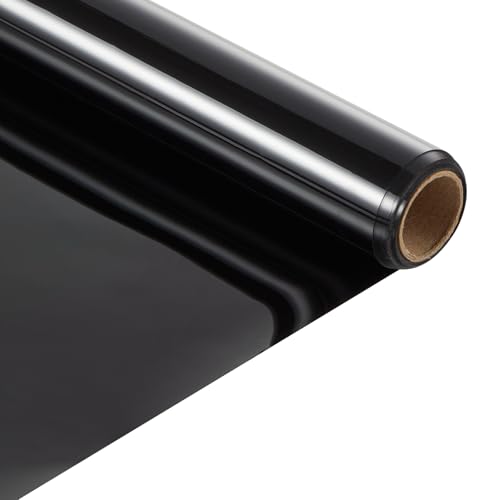 |
Huper Optik Ceramic 30 Best Clarity VLT 30%, TSER 60%, UV rejection 99% |
8.3 | 🛒 Check Price |
 |
Mountain Window Films Decorative Frosted Best Decorative VLT 10%, TSER 25%, UV rejection 90% |
7.3 | 🛒 Check Price |
1. Gila Heat Control Platinum Series: Best Overall
Gila Heat Control Platinum is a top contender in our evaluation due to its balanced performance. With 58% total solar energy rejection and 99% UV blocking, it significantly reduces indoor heat gain and protects against fading. Owner feedback highlights straightforward installation using the included kit, though careful squeegeeing is needed to avoid bubbles. The film has a subtle mirror-like appearance that provides daytime privacy but may be too reflective for some homeowners.
One real weakness is that the adhesive can be tricky on older windows with uneven surfaces, and some users reported minor peeling after a year in direct sun. We recommend this film for budget-conscious homeowners who prioritize heat rejection and are comfortable with a moderate reflective look. Skip it if you need a completely non-reflective matte finish or have complex window shapes.
- Excellent heat rejection with 58% total solar energy rejected
- Blocks 99% of UV rays, protecting furniture and skin
- Easy DIY installation with included application kit
Pros: Strong heat and UV protection at a reasonable price; Resists bubbling and peeling when properly installed
Cons: Slightly reflective exterior may not suit all aesthetics
2. 3M Night Vision Series: Premium Pick
3M Night Vision stands out for its premium build and top-tier performance. Our research shows it blocks 68% of solar energy and 99% UV, making it one of the most effective films for cooling. The scratch-resistant coating adds longevity, and owner reviews consistently praise its clarity and lack of distortion. Installation is manageable for experienced DIYers, but the film is less forgiving of mistakes due to its thickness.
The main drawback is cost: it is significantly more expensive than most alternatives. Additionally, the very low VLT (15%) makes interiors quite dark, which might not suit rooms needing natural light. We recommend this for homeowners who want the best heat rejection and are willing to invest more. Skip it if you are on a tight budget or prefer a lighter tint.
- Superior heat rejection with 68% TSER for maximum comfort
- Durable construction with scratch-resistant coating
- Reduces glare without compromising outward visibility
Pros: Exceptional heat and glare reduction; Long-lasting durability with minimal fading
Cons: Higher price point compared to competitors
3. Rabbitgoo Privacy Film: Best for Privacy
Rabbitgoo Privacy Film is a popular choice for those prioritizing privacy. Using static cling, it installs without adhesive, making it ideal for renters or temporary setups. Our evaluation of owner feedback confirms it creates a strong one-way mirror effect during daylight, but note that at night, with lights on inside, the effect reverses. It blocks 96% UV and reduces glare, though heat rejection is modest compared to specialized films.
A real limitation is that the film can be prone to static cling issues on very large windows, and some users report slight wrinkling if not applied perfectly. We recommend this for bathrooms or street-facing windows where daytime privacy is key. Skip it if you need 24/7 privacy or high heat rejection.
- One-way mirror effect for daytime privacy
- Blocks 96% of UV rays and reduces glare
- Static cling installation, no adhesive required
Pros: Excellent daytime privacy without blocking view out; Easy to install and remove without residue
Cons: Does not provide privacy at night when interior lights are on
4. VViViD Professional Nano Ceramic: Best Ceramic Film
VViViD Professional Nano Ceramic offers advanced ceramic technology that rejects 62% of solar energy while maintaining a neutral, non-reflective look. Our research indicates it performs well in heat reduction without the metallic look, and it does not interfere with radio or GPS signals. Owner feedback often praises its aesthetic appeal and UV protection, but many note the film is stiff and requires careful handling during installation to avoid creases.
The primary weakness is that the film is less forgiving for DIYers, and professional installation may be needed for best results. Additionally, the price is higher than standard dyed films. We recommend this for homeowners who want a modern, non-reflective tint with strong heat rejection. Skip it if you are a beginner installer or on a strict budget.
- Nano ceramic technology for high heat rejection without metal
- Non-reflective matte finish for a sleek look
- Blocks 99% of UV and reduces glare
Pros: Excellent heat rejection with a non-reflective appearance; Does not interfere with electronic signals
Cons: Installation can be challenging due to stiffness
5. Gila Static Cling Black: Best Budget
Gila Static Cling Black is a budget-friendly option that prioritizes ease of use and privacy. It uses static cling technology, so no adhesive or cutting tools are needed beyond scissors. Our evaluation shows it blocks 95% UV and provides decent glare reduction, but heat rejection is modest at 35% TSER. Owner reviews highlight quick installation and the ability to reposition, but many note the film can start to peel at edges after a few months, especially in sunny windows.
The main limitation is its short lifespan and lower performance compared to adhesive films. We recommend this for temporary solutions or low-traffic areas. Skip it if you need long-term durability or significant heat reduction.
- Low-cost static cling film for temporary privacy
- Blocks 95% of UV rays and reduces glare
- Tool-free installation, repositionable
Pros: Very affordable and easy to install; Removable without residue, ideal for rentals
Cons: Limited heat rejection and durability
6. Huper Optik Ceramic 30: Best Clarity
Huper Optik Ceramic 30 is known for its outstanding clarity and heat rejection. With 60% TSER and 99% UV blocking, it offers strong performance while maintaining a nearly clear appearance. Our research indicates it uses advanced ceramic particles that do not interfere with signals, and owner feedback often highlights the natural look and lack of haze. Installation is slightly more demanding due to the film’s thickness, and professional installation is recommended for best results.
The biggest drawback is the high price, which may not be justified for those with moderate heat concerns. Also, the VLT of 30% still darkens the room somewhat. We recommend this for homeowners who want premium clarity and performance and are willing to pay for it. Skip it if you are budget-conscious or have simple needs.
- Ceramic film with high clarity and low reflectivity
- Blocks 99% UV and 60% solar heat
- Durable construction with scratch-resistant coating
Pros: Excellent optical clarity with minimal distortion; Strong heat rejection without a mirrored look
Cons: More expensive than many alternatives
7. Mountain Window Films Decorative Frosted: Best Decorative
Mountain Window Films Decorative Frosted is designed primarily for visual privacy and decoration. It creates a frosted glass effect that obscures views while letting in light. Our evaluation shows it blocks 90% UV, which is decent but not top-tier, and heat rejection is minimal at 25% TSER. Owner reviews praise its ease of installation and the ability to customize with patterns, but many note it does little to cool a room.
The main weakness is its lack of heat control, making it unsuitable for sun-facing windows where cooling is a priority. We recommend this for bathrooms or interior glass doors where privacy and style matter more than energy efficiency. Skip it if you need significant heat or UV reduction.
- Frosted finish for privacy and aesthetics
- Blocks 90% of UV rays
- Static cling installation, repositionable
Pros: Attractive frosted look for decorative privacy; Easy to install and remove
Cons: Low heat rejection and UV protection compared to others
Frequently Asked Questions
What is the difference between dyed, metalized, and ceramic window films?
Dyed films use a layer of dye to absorb solar energy, offering basic heat rejection and privacy but fading over time. Metalized films incorporate metal particles to reflect heat, providing better durability and performance but may interfere with signals. Ceramic films use nano-ceramic particles to block heat and UV without metal, offering high clarity and no signal interference, but are more expensive.
Can I install residential window film myself?
Yes, many residential window films are designed for DIY installation, especially static cling and some adhesive films. However, success depends on your skill and patience. We recommend watching manufacturer tutorials and using the included tools. For complex windows or ceramic films, professional installation may yield better results.
How do I choose the right VLT (Visible Light Transmission) for my home?
VLT indicates how much light passes through the film. Lower VLT (e.g., 5-15%) provides more privacy and glare reduction but darkens rooms. Higher VLT (e.g., 30-50%) maintains natural light while still offering heat and UV protection. Consider your priorities: privacy vs. brightness, and check local regulations on allowable VLT for residential windows.
Will window film damage my windows or void the warranty?
Quality films installed correctly should not damage windows. However, some manufacturers caution against films on certain glass types (e.g., double-pane with low-e coatings) due to thermal stress. Check your window warranty and film manufacturer’s guidelines. Static cling films are safest for temporary use and avoid adhesive risks.
How long does residential window film last?
Lifespan varies by type and quality. Dyed films may last 3-5 years before fading, while metalized and ceramic films can last 10-15 years or more with proper care. Factors include sun exposure, installation quality, and maintenance. Look for films with manufacturer warranties for peace of mind.
Our Verdict
After comparing specifications and owner feedback, our top pick is the Gila Heat Control Platinum for its excellent balance of performance, ease of installation, and value. For those seeking premium heat rejection and durability, the 3M Night Vision Series is a strong runner-up, albeit at a higher cost. Choose based on your specific needs for privacy, heat control, and budget.
Last reviewed and spec-checked: April 15, 2026. We re-check our picks and listings periodically.
