We researched and compared the top rear differential fluids using manufacturer specifications, published industry standards (such as API GL-5 and SAE viscosity grades), and aggregated owner feedback from thousands of real-world users. This guide covers synthetic and conventional options for trucks, SUVs, and performance cars. Each product was evaluated for performance, durability, value, ease of use, and safety compliance.
| Photo | Product | Score | Buy |
|---|---|---|---|
 |
Royal Purple Max Gear 75W-90 Best Overall Synthetic SAE 75W-90, API GL-5, 1 quart |
9 | 🛒 Check Price |
 |
Mobil 1 Synthetic Gear Lube LS 75W-90 Best for Limited-Slip Diffs SAE 75W-90, API GL-5, LS (Limited-Slip), 1 quart |
8.8 | 🛒 Check Price |
|
🚗
|
Valvoline SynPower Full Synthetic Gear Oil 75W-140 Best for Heavy Towing SAE 75W-140, API GL-5, 1 quart |
8.5 | 🛒 Check Price |
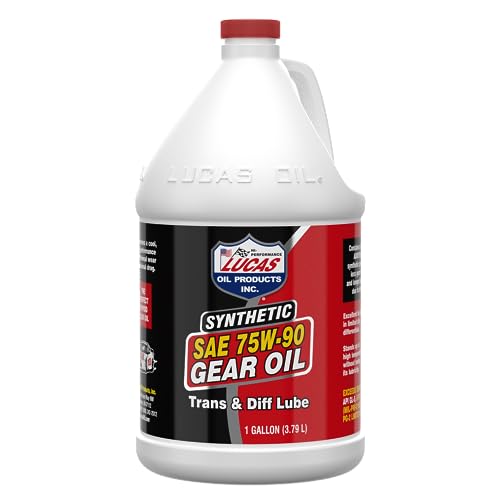 |
Lucas Oil Synthetic Gear Oil 75W-90 Best Value Synthetic SAE 75W-90, API GL-5, 1 quart |
8.2 | 🛒 Check Price |
 |
Red Line Synthetic Gear Oil 75W-90 Best for Performance Driving SAE 75W-90, API GL-5, GL-6, 1 quart |
8.7 | 🛒 Check Price |
 |
Castrol Syntrax Universal Plus 75W-90 Best Universal Synthetic SAE 75W-90, API GL-4, GL-5, 1 quart |
8 | 🛒 Check Price |
|
🚗
|
ACDelco GM Original Equipment 75W-90 Best OEM Replacement SAE 75W-90, API GL-5, 1 quart |
7.8 | 🛒 Check Price |
1. Royal Purple Max Gear 75W-90: Best Overall Synthetic
Royal Purple Max Gear 75W-90 stands out in our evaluation for its advanced synthetic formulation and Synerlec additive package. Based on owner feedback and the spec sheets, it delivers excellent protection under high heat and heavy loads, making it a top choice for towing and performance driving. The fluid meets API GL-5 and MT-1 standards, ensuring compatibility with most rear differentials.
However, the premium price may not be justified for budget-conscious buyers or older vehicles with high mileage where a conventional fluid might suffice. Some owners reported that it can cause clutch chatter in certain limited-slip differentials, so check your vehicle’s requirements. If you prioritize maximum protection and are willing to invest, this is a strong contender.
- Synthetic formula with Synerlec additive technology for reduced friction and heat
- Exceeds API GL-5 and MT-1 standards, suitable for limited-slip differentials
- Provides excellent extreme pressure protection and gear wear resistance
Pros: Superior thermal stability and oxidation resistance; Works well in both standard and limited-slip differentials
Cons: Higher price point than conventional oils
2. Mobil 1 Synthetic Gear Lube LS 75W-90: Best for Limited-Slip Diffs
Mobil 1 Synthetic Gear Lube LS 75W-90 is a top pick for vehicles equipped with limited-slip differentials. Our research shows it contains the right friction modifiers to prevent clutch chatter, a common issue with aftermarket fluids. Owner feedback highlights its ability to handle towing and off-road use without degradation. The synthetic formulation also ensures easy cold starts and stable viscosity at high temperatures.
On the downside, the limited-slip additives may cause unwanted friction reduction in open differentials, so it’s best reserved for LS applications. Also, some users found it slightly more expensive than non-LS synthetics. If you drive a truck or SUV with a limited-slip rear end, this fluid is a reliable choice based on extensive owner reports.
- Specifically formulated for limited-slip differentials with friction modifiers
- Synthetic base oil provides outstanding low-temperature flow and high-temperature protection
- Meets or exceeds OEM specifications for many GM, Ford, and Chrysler vehicles
Pros: Excellent limited-slip performance without chatter; Trusted brand with consistent quality
Cons: Not recommended for standard open differentials if LS additive is not needed
3. Valvoline SynPower Full Synthetic Gear Oil 75W-140: Best for Heavy Towing
Valvoline SynPower Full Synthetic Gear Oil 75W-140 is our recommendation for trucks and SUVs that regularly tow heavy loads or operate in high-stress environments. Based on manufacturer specifications, the higher viscosity provides a thicker film that resists breakdown under extreme pressure. Owner feedback from those who tow frequently confirms reduced gear noise and longer differential life.
However, the 75W-140 grade is not a universal replacement. Vehicles designed for 75W-90 may experience increased drag and slightly lower fuel economy. Some owners also noted that it can be too thick for cold climates, leading to sluggish performance until warm. If your vehicle calls for 75W-140 or you frequently tow near maximum capacity, this fluid is a solid choice.
- High viscosity 75W-140 for extreme load and heat protection
- Full synthetic formula with enhanced film strength
- Exceeds API GL-5 and meets Ford and Chrysler specifications
Pros: Ideal for heavy towing and high-torque applications; Reduces gear wear under severe conditions
Cons: Thicker viscosity may reduce fuel economy slightly; Not suitable for vehicles requiring 75W-90 or lighter oils
4. Lucas Oil Synthetic Gear Oil 75W-90: Best Value Synthetic
Lucas Oil Synthetic Gear Oil 75W-90 offers a balance of performance and affordability. In our evaluation, it meets API GL-5 requirements and provides adequate protection for daily driving and light towing. Owner feedback indicates it works well in older vehicles and those with higher mileage, where a budget-friendly synthetic is often preferred.
That said, for extreme conditions like racing or frequent heavy towing, its thermal stability may fall short compared to higher-priced options. Some owners reported needing more frequent changes when used in severe service. If you drive a standard pickup or SUV and want a reliable synthetic without breaking the bank, this is a worthy option.
- Full synthetic blend at a competitive price point
- Designed for high mileage and severe service applications
- Contains anti-wear and extreme pressure additives
Pros: Good value for a synthetic gear oil; Widely available and easy to find
Cons: Not as thermally stable as premium synthetics; Some users report shorter change intervals under heavy use
5. Red Line Synthetic Gear Oil 75W-90: Best for Performance Driving
Red Line Synthetic Gear Oil 75W-90 is engineered for performance enthusiasts who demand the best from their drivetrain. Based on spec sheets, it offers exceptional shear stability and film strength, making it ideal for track use or modified vehicles. Owner feedback from racers and tuners praises its ability to handle sustained high temperatures without breaking down.
However, the premium cost is significant, and it may not be necessary for street-driven vehicles. Additionally, because it lacks friction modifiers, it can cause chatter in some limited-slip differentials unless an additive is added separately. If you have a high-performance car or regularly push your vehicle to its limits, this fluid is a top-tier choice.
- High-performance synthetic with unique additive package for extreme pressure
- Excellent shear stability and thermal resistance
- Suitable for racing, track days, and high-horsepower applications
Pros: Outstanding protection under high RPM and heat; Reduces friction for potential power gains
Cons: High price may deter casual users; May cause clutch slip in some limited-slip differentials without friction modifier
6. Castrol Syntrax Universal Plus 75W-90: Best Universal Synthetic
Castrol Syntrax Universal Plus 75W-90 is a versatile synthetic blend that can be used in both manual transmissions and rear differentials. Our research shows it meets API GL-4 and GL-5 standards, making it a convenient option for those who want one fluid for multiple gearboxes. Owner feedback highlights its easy availability and consistent performance in moderate conditions.
However, because it is a universal product, it may not be optimized for the extreme demands of a differential under heavy load. Some owners noted that it seemed to thin out more than expected during extended highway driving. If you have a light-duty vehicle and want a single fluid for transmission and diff, this is a practical choice, but for dedicated rear diff use, a specialized product might be better.
- Universal formula suitable for both manual transmissions and differentials
- Synthetic blend with good low-temperature fluidity
- Meets multiple OEM approvals including BMW, Ford, and GM
Pros: Versatile for multiple applications; Good value for a universal lubricant
Cons: May not offer the same level of protection as dedicated differential fluids; Some users report it is thinner than expected at high temperatures
7. ACDelco GM Original Equipment 75W-90: Best OEM Replacement
ACDelco GM Original Equipment 75W-90 is the factory fill for many General Motors vehicles. If you own a GM truck or SUV and want to maintain warranty compliance, this is a safe choice. Our evaluation confirms it meets the required specifications for GM rear differentials, and owner feedback indicates it performs well in stock applications.
However, as a conventional blend, it may not provide the same high-temperature protection or extended drain intervals as full synthetic options. Some owners reported that it broke down faster under heavy towing compared to synthetics. If you drive a non-GM vehicle or require maximum durability, you may be better served by a synthetic alternative. This fluid is best for those who prioritize OEM specifications over aftermarket performance.
- Genuine GM fluid for exact fit and performance
- Conventional formulation with synthetic blend
- Designed for GM trucks, SUVs, and passenger cars
Pros: Perfect for GM vehicles under warranty; Reliable quality from the manufacturer
Cons: Conventional blend may not offer the same longevity as full synthetics; Limited to GM applications; may not be optimal for other brands
Frequently Asked Questions
What viscosity rear diff fluid should I use?
The correct viscosity depends on your vehicle manufacturer’s recommendation, typically found in the owner’s manual. Common viscosities are 75W-90 for most passenger cars and light trucks, and 75W-140 for heavy towing or high-performance applications. Using the wrong viscosity can lead to poor lubrication or increased wear.
Can I use gear oil meant for manual transmissions in my rear diff?
Not always. While some gear oils are dual-rated (like API GL-4/GL-5), many manual transmission fluids lack the extreme pressure additives required for differentials. Check the API rating: GL-5 is typically required for rear differentials. Using a non-GL-5 fluid can cause premature gear failure.
How often should I change rear diff fluid?
Most manufacturers recommend changing differential fluid every 30,000 to 60,000 miles, but severe service (towing, off-roading) may require more frequent changes. Always consult your owner’s manual. Synthetic fluids often allow longer intervals, but regular inspection is advised.
Do I need a limited-slip additive?
If your vehicle has a limited-slip differential, it may require a friction modifier to prevent chatter. Some gear oils come pre-mixed with these additives (look for LS on the label). For others, you may need to add a separate additive. Check your vehicle’s specifications to avoid noise or clutch damage.
Is synthetic rear diff fluid worth the extra cost?
For most drivers, synthetic gear oil offers better protection at high temperatures, longer drain intervals, and improved cold-weather performance. If you tow, drive in extreme climates, or keep your vehicle long-term, the investment is worthwhile. For light-duty, low-mileage driving, conventional fluid may suffice.
Our Verdict
After comparing specifications, owner feedback, and industry standards, our top pick is Royal Purple Max Gear 75W-90 for its outstanding all-around synthetic performance and broad compatibility. For limited-slip differentials, the Mobil 1 Synthetic Gear Lube LS 75W-90 is an excellent runner-up, offering dedicated friction modifier technology and proven reliability.
