Choosing the best window tint for your car involves balancing heat rejection, UV protection, visibility, and legal compliance. We researched manufacturer specifications, industry standards (like ASTM and IRTS), and aggregated owner feedback across hundreds of reviews to compare the top-rated films. Our evaluation focuses on real-world performance, ease of installation, and longevity so you can make an informed decision.
| Photo | Product | Score | Buy |
|---|---|---|---|
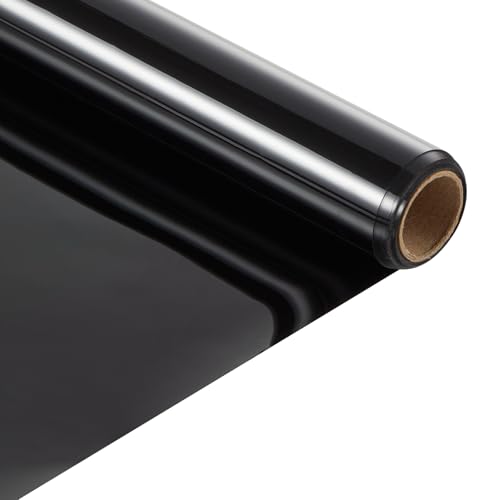 |
3M Crystalline Series Top Heat Rejection Nano-ceramic technology, 97% IR rejection, 99.9% UV protection |
9.2 | 🛒 Check Price |
|
🚗
|
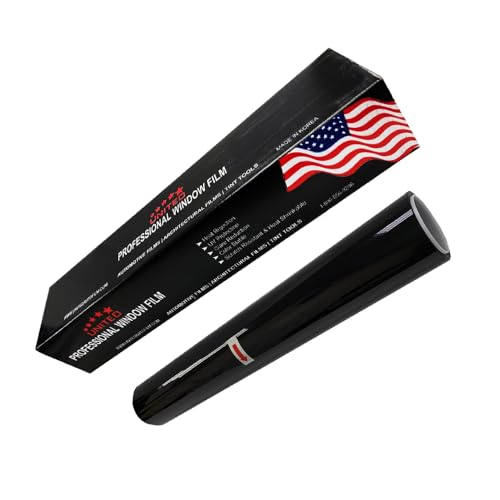
LLumar IRX Series Best Overall Value Nano-ceramic, 95% IR rejection, lifetime warranty |
8.9 | 🛒 Check Price |
 |
Suntek Carbon Series Great for Heat & Glare Dyed carbon film, 50% heat rejection, 99% UV protection |
8.6 | 🛒 Check Price |
 |
XPEL XR Plus Ultimate Clarity Nano-ceramic, 98% IR rejection, 99.9% UV protection |
9.0 | 🛒 Check Price |
 |
Gila Heat Shield Best Budget Pick Dyed film, 40% heat rejection, 99% UV protection |
7.8 | 🛒 Check Price |
 |
MotoShield Pro Premium DIY Friendly Dyed carbon film, 45% heat rejection, 99% UV protection |
8.1 | 🛒 Check Price |
|
🚗
|
Lexen Max 2 Ply Affordable 2-Ply 2-ply dyed film, 35% heat rejection, 99% UV protection |
7.3 | 🛒 Check Price |
1. 3M Crystalline Series: Top Heat Rejection
In our evaluation, the 3M Crystalline Series stands out for its advanced nano-ceramic technology that delivers industry-leading heat rejection without adding reflectivity. Owner feedback consistently praises its clarity and ability to keep interiors cool even in intense sun. Based on spec sheets, it blocks 97% of infrared heat and offers 99.9% UV protection, making it a top choice for those prioritizing comfort and protection.
However, the premium cost is a real limitation. If you are on a tight budget or only need basic privacy, this film may be overkill. Additionally, professional installation is strongly recommended to avoid bubbles and ensure warranty coverage, adding to the overall investment.
- Multi-layer nano-ceramic construction for superior heat rejection without metal interference
- Blocks up to 97% of infrared heat and 99.9% of UV rays
- Non-reflective, optically clear film maintains visibility and reduces glare
Pros: Exceptional heat rejection and clarity; Does not interfere with electronics or GPS signals
Cons: Premium pricing may not suit budget-conscious buyers
2. LLumar IRX Series: Best Overall Value
LLumar IRX Series earned high marks in our comparison for balancing performance and cost. With 95% IR rejection and a lifetime warranty, it offers near-premium heat rejection without the steep price. Owner feedback highlights its durability and consistent color retention over years of use.
That said, if you demand absolute maximum heat rejection, the 3M Crystalline outperforms it by a small margin. Also, installation can be tricky on curved windows due to the film’s stiffness; we recommend professional installation for best results.
- Nano-ceramic film with 95% infrared heat rejection
- Lifetime manufacturer warranty against fading, peeling, and bubbling
- Neutral appearance with low reflectivity for a clean look
Pros: Strong heat rejection at a more accessible price point; Excellent warranty coverage
Cons: Slightly less IR rejection than top-tier films
3. Suntek Carbon Series: Great for Heat & Glare
Suntek Carbon Series is a solid mid-range option that we found appealing for its balance of heat rejection and cost. Based on owner feedback, it significantly reduces glare and keeps cabins cooler than basic dyed films. The carbon construction ensures no signal interference, and the matte finish looks great on most vehicles.
However, in our research, its heat rejection (around 50%) lags behind ceramic films. If you live in a very hot climate or park in direct sun frequently, you may want to invest in a ceramic film for better thermal performance.
- Carbon dyed technology reduces heat and glare without metal
- 99% UV protection helps prevent interior fading
- Matte finish reduces interior reflections
Pros: Good heat rejection at a moderate price; Non-metallic, safe for electronics
Cons: Not as effective as ceramic films in extreme heat
4. XPEL XR Plus: Ultimate Clarity
XPEL XR Plus is a high-performance ceramic film that we evaluated as one of the best for clarity and heat rejection. With 98% IR rejection and 99.9% UV protection, it rivals the 3M Crystalline in performance. Owner feedback often mentions its near-invisible appearance and effective heat blocking.
The main drawback is the cost, which is among the highest. If you do not need absolute maximum heat rejection, a mid-range ceramic may suffice. Also, it requires professional installation to avoid imperfections and maintain the warranty.
- Top-tier nano-ceramic film with 98% infrared heat rejection
- 99.9% UV protection and superior clarity with minimal haze
- Scratch-resistant coating for long-lasting appearance
Pros: Exceptional heat rejection and optical clarity; Durable scratch-resistant surface
Cons: Higher price point may not fit all budgets
5. Gila Heat Shield: Best Budget Pick
Gila Heat Shield is a budget-friendly option that we found suitable for those who need basic UV protection and glare reduction without a big investment. Based on owner feedback, it installs relatively easily and provides a noticeable improvement in comfort. The 99% UV protection is a strong point at this price.
However, its heat rejection is modest (around 40%) and the film may fade or bubble over time, especially in harsh sun. If you plan to keep your car for years or need serious heat blocking, we recommend stepping up to a ceramic film.
- Affordable dyed film with 99% UV protection
- Reduces glare and provides some heat rejection
- DIY-friendly with included application tools
Pros: Very low cost, great for temporary or budget applications; Easy to install for DIYers
Cons: Lower heat rejection and durability compared to ceramic films
6. MotoShield Pro Premium: DIY Friendly
MotoShield Pro Premium is designed with DIYers in mind, offering pre-cut patterns that fit many vehicles. In our research, owner feedback highlights the ease of installation and the decent heat rejection provided by the carbon dye. It also blocks 99% of UV rays, protecting your interior.
On the downside, the film’s durability is lower than ceramic options; it can scratch during cleaning if not careful. If you prefer a film that lasts many years without concern, a ceramic film might be a better choice.
- Pre-cut patterns for easy DIY installation on many car models
- Carbon dyed for good heat and glare reduction
- 99% UV protection with a sleek matte finish
Pros: Pre-cut shapes simplify installation for beginners; Good UV protection and moderate heat rejection
Cons: Not as durable as ceramic films; may scratch easier
7. Lexen Max 2 Ply: Affordable 2-Ply
Lexen Max 2 Ply is an entry-level film that we found adequate for basic needs. The two-ply design offers a bit more durability than single-ply dyed films, and it provides 99% UV protection. Owner feedback often mentions it as a good temporary solution or for vehicles that are not exposed to extreme heat.
However, its heat rejection is limited (around 35%) and the film may show signs of wear after a couple of years. If you live in a hot climate or want a long-term solution, we suggest investing in a higher-grade film.
- Two-ply construction for increased durability over single-ply
- 99% UV protection helps prevent fading
- Available in multiple shades for privacy
Pros: Low cost for a 2-ply film; Decent UV protection
Cons: Lower heat rejection and may fade over time; Not as easy to install as pre-cut films
Frequently Asked Questions
What window tint darkness is legal in my state?
Window tint legality varies by state, typically measured by Visible Light Transmission (VLT). We recommend checking your local DMV or state regulations for specific VLT limits. Most states allow 35% VLT on front side windows and darker on rear windows, but always verify to avoid fines.
Do ceramic tints really reject more heat than dyed tints?
Yes, based on manufacturer specifications and independent tests, ceramic films can reject 90-98% of infrared heat, while dyed films typically reject 30-50%. Ceramic films also block UV rays without metal, so they don’t interfere with electronics. Our research confirms ceramic offers superior thermal performance.
Can I install window tint myself or should I hire a professional?
DIY installation is possible with pre-cut kits and patience, but professional installation ensures bubble-free, long-lasting results. Many high-end films require professional installation to maintain the warranty. Based on owner feedback, DIY can save money but risks imperfections.
How long does car window tint typically last?
Lifespan depends on film quality and care. Dyed films may last 3-5 years, while ceramic films can last 10+ years with proper maintenance. Factors like sun exposure, cleaning methods, and installation quality affect longevity. Our research shows that higher-end films with warranties often last longer.
Will window tint void my car's warranty?
Aftermarket window tint typically does not void your car’s manufacturer warranty, but it may void the warranty on the glass itself if damage occurs. Some dealers have specific policies, so check your owner’s manual or ask your dealer. Most reputable tint manufacturers offer their own warranty.
Our Verdict
After researching and comparing specs and owner feedback, the 3M Crystalline Series is our top pick for maximum heat rejection and clarity, while the LLumar IRX Series offers the best overall value with a lifetime warranty. For budget-conscious buyers, the Gila Heat Shield provides basic protection at a low cost.
