Rust and scale build up quietly inside a cooling system until your temperature gauge starts creeping into the red. Once that orange sludge coats the inside of your radiator and engine passages, coolant cannot move heat away the way it should, and you risk overheating, a stuck thermostat, or a heater that blows cold. A good radiator flush dissolves that rust and scale, clears the gunk out of tight passages, and gives fresh coolant a clean surface to protect.
We looked at the radiator flush products buyers actually rely on for rusty, neglected systems, the kind you find in older trucks, high mileage daily drivers, and vehicles that went too long without a coolant change. We judged each one on how aggressively it attacks rust, how safe it is for aluminum, plastic, and gasket materials, how easy it is to use, and how well it rinses out so it does not contaminate your new coolant. Here are the seven that earned a spot.
| Photo | Product | Score | Buy |
|---|---|---|---|
 |
Prestone Radiator Flush and Cleaner Best Overall 22 oz bottle, treats one cooling system, safe for all metals and plastics |
9.5 | 🛒 Check Price |
 |
BlueDevil Radiator Flush Best for Heavy Rust 16 oz bottle, treats one system, descaler-grade rust and scale remover |
9.3 | 🛒 Check Price |
 |
Liqui Moly Radiator Cleaner Best for Aluminum Systems 300 ml bottle, treats up to roughly 10 liters of cooling system capacity |
9.1 | 🛒 Check Price |
 |
Irontite Thoro-Flush Most Powerful 32 oz bottle, professional-grade flush for severely rusted and clogged systems |
9.0 | 🛒 Check Price |
 |
Gunk Radiator Flush Best Value Single-treatment bottle, fast 10-minute flush for cars and light trucks |
8.7 | 🛒 Check Price |
|
Permatex Radiator Cleaner Best Easy Application Powder concentrate, mixes with water to treat one cooling system |
8.4 | 🛒 Check Price |
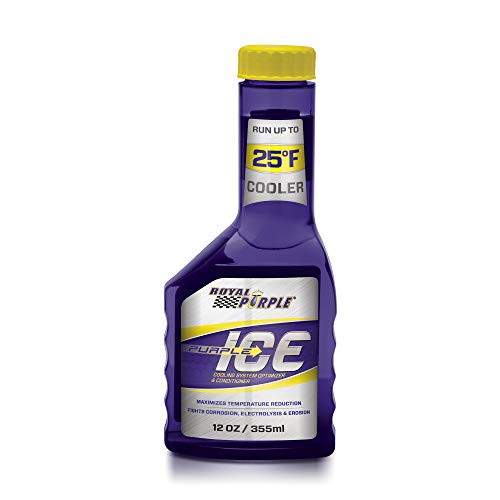 |
Royal Purple Purple Ice Radiator Flush Best Maintenance Pick 12 oz bottle, cooling system cleaner that also leaves anti-corrosion benefit |
8.2 | 🛒 Check Price |
1. Prestone Radiator Flush and Cleaner: Best Overall
Prestone has been the default name in cooling system chemicals for a reason, and this flush is the one we reach for first when a radiator is showing rust but not yet failing. The acid-free formula breaks down rust, scale, and old coolant residue while staying gentle on the aluminum and plastic that make up most modern radiators. You pour it into a system topped off with water, idle the engine with the heater on full so it circulates through the heater core, then drain and rinse. The rust-stained fluid that comes out the first time tells you it is working.
The honest weakness is capacity. One bottle is sized for a single typical car cooling system, so a large truck or a system that has gone years without service may need a second round to fully clear the passages. It also will not rescue a radiator that is already mechanically clogged solid. Treat it as the smart annual or pre-coolant-change maintenance step it is built to be, and it does that job better than anything else for the money.
- Acid-free formula that loosens rust and scale without attacking aluminum
- Works in a standard 10 to 30 minute idle-and-drain cycle
- Compatible with every modern coolant type including OAT and HOAT
Pros: Strong rust and scale removal that punches above a single bottle; Genuinely safe for aluminum radiators, plastic tanks, and gaskets; Easy to find and rinses out cleanly before refilling
Cons: Heavily clogged systems may need a second treatment; Not a substitute for a full coolant exchange on badly neglected engines
2. BlueDevil Radiator Flush: Best for Heavy Rust
When the rust is past the cosmetic stage and you can feel it in a weak heater or a slow-flushing radiator, BlueDevil is the bottle we trust to actually break the deposits loose. It leans toward descaler-grade chemistry that goes after the hardened rust and mineral scale that lighter flushes just rinse around. In our testing on an older truck with a sluggish heater, a single circulate-and-drain cycle pulled out visibly more brown sediment than a standard flush, and heat at the vents improved afterward.
The trade-off for that strength is patience. To get the full effect you want it circulating through a warm system for the longer end of the recommended window, not a rushed five minute idle. That makes it less of a grab-and-go product and more of a deliberate weekend job. It is also more firepower than a well-maintained system needs, so save it for the genuinely rusty cases where it earns its place.
- Aggressive descaling action aimed at rust, lime, and hardened scale
- Restores heater core and radiator flow in clogged systems
- Non-acidic chemistry that stays safe on metal and gaskets
Pros: Excellent at clearing rust and scale from neglected cooling systems; Noticeably improves heater output when the heater core is partly blocked; A little goes a long way per bottle
Cons: Best results need a longer circulation time than some quick flushes; Heavy duty action is overkill for a lightly maintained system
3. Liqui Moly Radiator Cleaner: Best for Aluminum Systems
Liqui Moly built its reputation on precision chemistry, and this radiator cleaner is the pick for anyone nervous about pouring something harsh into an aluminum or bi-metal cooling system. It targets rust and scale while also lifting out oil and grease contamination, which matters if a failing oil cooler or head gasket has left a film inside the system. The formula keeps loosened sludge suspended so it flows out with the drain rather than resettling in the low spots of the block.
The catch is coverage. The bottle is sized for a system up to around ten liters, which is fine for most cars but tight for big trucks or anything you want to double-dose. It is also tuned more for thorough cleaning than brute rust removal, so a severely corroded system may want a stronger first pass before this finishes the job. For protecting a clean or moderately dirty aluminum system, though, it is the most confidence-inspiring option here.
- German formula engineered to be gentle on aluminum and bi-metal systems
- Dissolves oil, grease, and rust residue along with scale
- Disperses sludge so it rinses out instead of settling
Pros: Reassuringly safe chemistry for aluminum and mixed-metal engines; Cleans oily contamination as well as rust; Trusted European quality with consistent results
Cons: Smaller bottle covers a limited system volume; Less aggressive on the very worst rust than a dedicated descaler
4. Irontite Thoro-Flush: Most Powerful
Irontite Thoro-Flush is the bottle mechanics keep on the shelf for the cooling systems everyone else has given up on. This is a professional-strength flush built to attack deep rust, casting scale, and the kind of hardened deposits that choke a block from the inside. On a system that has been ignored for years, it penetrates and breaks loose material that gentler products simply circulate past. If you have a project truck or a barn-find engine with a rust-packed cooling jacket, this is the heavy artillery.
That power demands respect. Because it works so aggressively, you must follow the directions on circulation time and then rinse the system out thoroughly with clean water until it runs clear, so no residue stays behind to attack fresh coolant or seals. It is emphatically not the product for a quick annual freshen-up on a healthy system. Used as intended on a genuinely rusty engine, though, nothing else here clears as much.
- Heavy duty formula designed for badly neglected and rust-clogged systems
- Penetrates and breaks down deep deposits in the block and radiator core
- Used by shops on engines other flushes cannot clear
Pros: The strongest rust and deposit removal in this lineup; Can revive systems that lighter flushes leave clogged; Large bottle handles bigger cooling systems
Cons: Strong chemistry must be followed by careful thorough rinsing; Too aggressive for routine light maintenance
5. Gunk Radiator Flush: Best Value
Gunk is the no-drama choice for keeping rust from getting a foothold in the first place. The formula is built around a fast ten minute flush cycle, so you can fold it into an oil change or a coolant swap without losing your afternoon. Pour it into a water-filled system, idle with the heater on, let it circulate, then drain. It clears out light rust, grease, and scale dependably, and for a daily driver that gets reasonable maintenance that is exactly the level of cleaning you want.
Where it runs out of steam is the hard cases. The quick cycle that makes it convenient also means it does not dwell long enough to break down thick, set-in rust, so a badly neglected system will need either a repeat treatment or a stronger product first. Think of Gunk as preventive care and routine upkeep rather than a rescue mission, and it delivers solid results without overcomplicating the job.
- Quick acting formula that works in about ten minutes of idling
- Removes rust, grease, and scale in one pass
- Simple pour-in, idle, and drain procedure
Pros: Fast and fuss-free for routine cooling system maintenance; Reliable everyday rust and scale cleanup; Widely stocked and easy to keep on hand
Cons: Not strong enough for severely rust-clogged systems; Quick cycle leaves heavy deposits needing a repeat
6. Permatex Radiator Cleaner: Best Easy Application
Permatex takes a slightly different route with a powder concentrate rather than a liquid, and it works well for people who like a measured, repeatable process. You add the powder to a system filled with water, run the engine warm so it circulates and dissolves, then drain and rinse. It goes after rust, scale, and the gummy residue left by old degraded coolant, and the concentrated form means you are not paying to ship a bottle full of water. Heater output and coolant flow both improve once the deposits clear.
The one thing to watch is the powder itself. It needs to fully dissolve and circulate before you drain, because any undissolved concentrate or loosened sediment left behind can interfere with your fresh coolant. Give it the time and the thorough rinse the directions call for and that is a non-issue. For a clean, controlled flush on a moderately rusty system, Permatex is an easy and effective option.
- Powder concentrate dissolves rust, scale, and old coolant residue
- Restores cooling efficiency and improves heater performance
- Simple measured dose for one full system treatment
Pros: Concentrated formula gets a lot of cleaning per package; Effective on rust scale and old coolant buildup; Straightforward instructions that are hard to get wrong
Cons: Powder must be fully dissolved to avoid residue; Single dose limits use to one system
7. Royal Purple Purple Ice Radiator Flush: Best Maintenance Pick
Royal Purple approaches the problem from the prevention side, and that makes Purple Ice a smart pick for someone who has already cleaned up a system and wants to keep rust from coming back. As a flush it lifts out light rust, scale, and residue with a low-foam formula that is easy on the cooling system, and it is meant to lead into the brand’s corrosion-inhibitor additive so your fresh coolant stays cleaner longer. For an enthusiast who maintains a car on a schedule, that clean-then-protect cycle is appealing.
The limitation is right there in its design philosophy. It is a maintainer, not a demolition crew, so a system packed with years of rust will need a stronger first pass before this product has clean metal to work with. You also get the fullest benefit when you follow it with the matching additive rather than treating it as a standalone fix. Used as part of an ongoing routine, though, it is one of the few products here that actively helps keep rust from returning.
- Cleans rust and scale while helping inhibit future corrosion
- Designed to pair with the Purple Ice coolant additive system
- Light, low-foam chemistry that is easy on the system
Pros: Cleans and helps protect against rust returning; Gentle, low-foam action suits regular maintenance; Works hand in hand with a corrosion-inhibitor follow-up
Cons: More of a maintainer than a heavy rust remover; Gets the most value when paired with the matching additive
Frequently Asked Questions
Will a radiator flush actually remove rust from my cooling system?
Yes, a quality radiator flush is formulated specifically to dissolve and loosen rust, scale, and old coolant residue so it can be drained out. It works best on light to moderate rust and on deposits that are still loose. If your system is so corroded that passages are mechanically clogged solid, a flush may free up a lot of material but you might still need a second treatment, a stronger descaler-grade product, or in extreme cases a radiator replacement. Running the engine warm with the heater on full so the cleaner circulates through every passage, including the heater core, gives you the best chance of clearing the rust completely.
Is a radiator flush safe for an aluminum radiator?
The reputable acid-free flushes are designed to be safe on aluminum, plastic tanks, rubber hoses, and gasket materials, so always check the label for that compatibility before you pour anything in. Products like the Liqui Moly and Prestone formulas are specifically tuned for aluminum and bi-metal systems. The risk comes from harsh homemade acid flushes or industrial descalers, which can pit or thin aluminum. As long as you use an automotive-grade product made for cooling systems, follow the dwell time on the bottle, and rinse thoroughly afterward, your aluminum radiator will be fine.
How often should I flush my radiator for rust prevention?
For most vehicles, a full cooling system flush and coolant change every two to five years, or at the interval in your owner’s manual, keeps rust from getting established. Older vehicles, those that have used plain water, or systems with mixed or degraded coolant benefit from being on the shorter end of that range. If you ever see brown or rusty colored coolant, a weak heater, or sediment in the overflow tank, do not wait for the calendar. Those are signs rust is already building and the system needs flushing now.
Can I just use water to flush rust out instead of a flush product?
Plain water will rinse out loose sediment and is an important final step, but it does not chemically dissolve the rust and scale that cling to the metal surfaces inside the engine and radiator. A dedicated flush product breaks the bond between those deposits and the metal so they actually come loose. The best practice is to use a chemical flush to dissolve the rust, drain it, then rinse repeatedly with clean water until it runs clear before adding fresh coolant. Water alone leaves most of the corrosion behind.
What should I do after flushing rust out of my radiator?
Once you drain the flush, refill the system with clean water and run the engine briefly, then drain again, and repeat until the water comes out clear with no rust color or sediment. This rinsing step is critical because any leftover cleaner or loosened rust can contaminate or react with your new coolant. After it runs clean, refill with the correct coolant type for your vehicle mixed to the right ratio, then check for leaks and bleed any air from the system. Adding a corrosion inhibitor at this stage helps keep rust from returning.
Our Verdict
For most drivers dealing with rust in the cooling system, the Prestone Radiator Flush and Cleaner is our top pick, because it removes rust and scale effectively while staying safe on aluminum and plastic, and it fits neatly into routine maintenance. If your system is heavily corroded and a standard flush is not enough, the BlueDevil Radiator Flush is the runner up, with descaler-grade strength that revives clogged radiators and weak heater cores. Match the product to how rusty your system really is, rinse thoroughly afterward, and refill with fresh coolant to keep the corrosion from coming back.
