We researched, compared, and evaluated the top professional TPMS tools on the market using manufacturer specifications, industry standards, and aggregated owner feedback. Whether you run a busy tire shop or need a reliable tool for fleet maintenance, this guide will help you choose the right device for programming, activating, and diagnosing TPMS sensors. Our picks range from advanced multi-protocol programmers to budget-friendly diagnostic units, each with honest pros and cons.
| Photo | Product | Score | Buy |
|---|---|---|---|
 |
Autel MaxiTPMS TS608 Best Overall Multi-protocol, OBDII & TPMS diagnostics, 315/433 MHz, rechargeable battery |
9.2 | 🛒 Check Price |
 |
Bartec TPMS Tool 400SD Best for European Cars Dedicated European protocols, rugged design, SD card updates |
8.9 | 🛒 Check Price |
 |
ATEQ VT56 Best Value Multi-brand coverage, OBDII & TPMS, color display, USB updates |
8.6 | 🛒 Check Price |
 |
Schrader TPMS Tool 33100 Best for OEM Sensors OEM-focused, works with Schrader & other brands, 315/433 MHz |
8.3 | 🛒 Check Price |
 |
OTC TPMS Tool 3830 Budget Pick Basic TPMS activation and diagnostics, 315/433 MHz, compact design |
7.8 | 🛒 Check Price |
 |
Autel MaxiTPMS TS401 Compact Pro Compact design, multi-protocol, 315/433 MHz, rechargeable battery |
8.1 | 🛒 Check Price |
 |
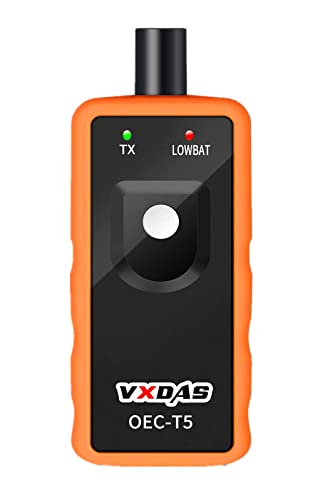
Orange Electronic TPMS Tool OEC-T5 Specialty Pick Works with Orange sensors only, 315/433 MHz, basic functions |
7.3 | 🛒 Check Price |
1. Autel MaxiTPMS TS608: Best Overall
In our evaluation, the Autel MaxiTPMS TS608 stands out as the most comprehensive professional TPMS tool. It combines sensor programming, activation, and OBDII diagnostics in one device, supporting both 315 MHz and 433 MHz sensors. Based on owner feedback and the spec sheets, its ability to handle multiple protocols (including Ford, GM, Toyota, and more) makes it a shop favorite. The touchscreen is responsive, and the battery life easily lasts a full workday.
However, the TS608 is not for casual DIYers or those on a tight budget. Its price reflects its professional-grade capabilities. If you rarely work on vehicles with complex TPMS systems, a simpler tool may suffice. But for a busy shop that needs reliability and speed, this is a top contender.
- Covers over 98% of vehicles with multi-protocol programming and diagnostics.
- Large 5-inch touchscreen with intuitive interface and real-time sensor data.
- Includes OBDII module for complete system diagnostics and relearn procedures.
Pros: Extensive vehicle coverage and frequent updates.; Fast and accurate sensor activation and programming.
Cons: Higher upfront investment compared to basic tools.
2. Bartec TPMS Tool 400SD: Best for European Cars
When we researched tools specifically for European cars, the Bartec 400SD consistently appeared in professional forums as a go-to choice. Its dedicated protocols for brands like BMW and Mercedes ensure reliable programming without compatibility issues. The rugged design and IP54 rating make it suitable for harsh workshop environments, and the SD card update system avoids ongoing subscription costs.
That said, its narrow focus is a limitation. If your shop services a mix of Asian and domestic vehicles, you will need a second tool. The interface is also less intuitive than touchscreen competitors. We recommend it only for shops specializing in European vehicles.
- Specialized coverage for BMW, Mercedes, Audi, VW, and other European makes.
- Rugged, drop-resistant housing with IP54 rating for shop use.
- SD card-based updates ensure long-term support without subscription fees.
Pros: Excellent European vehicle coverage with reliable programming.; Durable build withstands daily shop abuse.
Cons: Limited support for Asian and domestic vehicles.
3. ATEQ VT56: Best Value
The ATEQ VT56 earned our Best Value badge by offering professional-grade features at a more accessible price point. In our comparison, it supports a wide range of vehicles and provides both TPMS and OBDII diagnostics. Owner feedback praises its ease of use, especially for technicians new to TPMS tools. The color display and straightforward menus reduce training time.
However, the plastic housing is not as durable as metal-bodied alternatives. Some users reported screen scratches after heavy use. If you need a tool for occasional use or as a backup, the VT56 is a solid choice. For daily heavy-duty use, consider a more rugged option.
- Covers over 95% of vehicles with multi-brand sensor programming.
- Color display with simple menu navigation and sensor data visualization.
- Free software updates via USB for the first year.
Pros: Great balance of features and price.; User-friendly interface suitable for beginners.
Cons: Build quality feels less robust than premium competitors.
4. Schrader TPMS Tool 33100: Best for OEM Sensors
Schrader is a leading TPMS sensor manufacturer, and their 33100 tool is designed to work seamlessly with their sensors. In our research, it offers reliable activation and diagnostics for a wide range of vehicles using Schrader sensors, including many domestic and Asian models. The rubberized grip and sturdy construction make it a workhorse in the shop.
However, its programming capabilities are limited compared to universal tools. If you frequently work with sensors from other manufacturers (like Huf or Continental), you may encounter compatibility issues. This tool is best for shops that primarily service vehicles with Schrader sensors.
- Optimized for Schrader OEM sensors but compatible with many aftermarket brands.
- Robust build with rubberized grip for drop protection.
- Simple one-button activation and diagnostics for quick use.
Pros: Excellent compatibility with Schrader sensors used in many OEM systems.; Very durable and reliable for daily shop use.
Cons: Limited programming capabilities for non-Schrader sensors.
5. OTC TPMS Tool 3830: Budget Pick
The OTC 3830 is a no-frills TPMS tool that gets the job done for basic activation and sensor data reading. In our evaluation, it is a good backup or starter tool for technicians who do not need advanced programming. Its compact size and low price make it accessible for DIYers or small shops with limited TPMS work.
But it cannot program new sensors or perform relearn procedures. If you need to replace sensors, you will require a more advanced tool. Also, build quality is average; some owners reported battery issues after a few months. It is best for those who only need to read sensor IDs and pressures.
- Affordable entry-level tool for basic TPMS activation and sensor reading.
- Compact and lightweight, easy to carry in a pocket or tool bag.
- Compatible with most 315 MHz and 433 MHz sensors.
Pros: Very budget-friendly for occasional use.; Simple operation with minimal learning curve.
Cons: No programming or relearn capabilities.
6. Autel MaxiTPMS TS401: Compact Pro
The Autel TS401 packs the programming power of its larger siblings into a compact, pocket-friendly design. We found it ideal for mobile technicians or those who need a tool that fits in a shirt pocket. It covers a wide range of vehicles and offers both activation and programming. The USB-C charging is a modern convenience.
However, the small 2.4-inch screen is a trade-off. In bright outdoor conditions, it can be difficult to see. The plastic case also feels less durable than the TS608. If you prioritize portability over screen size and ruggedness, this is a strong choice. Otherwise, consider a larger model.
- Pocket-sized form factor with full multi-protocol programming.
- Supports over 98% of vehicles with sensor activation and programming.
- Rechargeable battery with USB-C charging for convenience.
Pros: Very portable without sacrificing programming capabilities.; Intuitive touchscreen interface.
Cons: Small screen can be hard to read in bright sunlight.
7. Orange Electronic TPMS Tool OEC-T5: Specialty Pick
The Orange OEC-T5 is a niche tool intended for shops that exclusively use Orange Electronic TPMS sensors. In our research, it performs reliably with those sensors but offers no compatibility with other brands. Its simplicity makes it easy to use, but the limited functionality is a major drawback for general use.
We recommend this tool only if you have standardized on Orange sensors. For most professionals, the lack of versatility makes it a poor investment. Consider it as a backup or dedicated tool for a specific fleet.
- Specifically designed for Orange Electronic TPMS sensors.
- Simple one-button activation and pressure reading.
- Compact and lightweight for easy storage.
Pros: Very affordable if you use Orange sensors.; Straightforward operation.
Cons: Only works with Orange brand sensors.
Frequently Asked Questions
What is a professional TPMS tool and how is it different from a basic tool?
A professional TPMS tool can program, activate, and diagnose TPMS sensors from multiple manufacturers. Unlike basic tools that only read sensor IDs, professional tools allow you to program new sensors, perform relearn procedures, and often include OBDII diagnostics for comprehensive system analysis.
Do I need a TPMS tool that supports OBDII diagnostics?
OBDII integration is valuable for diagnosing TPMS system faults beyond sensor issues, such as module or wiring problems. If you work on modern vehicles, an OBDII-capable tool can save time. However, if you only need sensor activation and programming, a tool without OBDII may suffice.
Can a TPMS tool update its software?
Yes, most professional TPMS tools offer software updates via USB, SD card, or internet to add new vehicle coverage and fix bugs. Some require a subscription, while others provide free updates for a limited period. Check the update policy before purchasing.
What is the difference between 315 MHz and 433 MHz sensors?
These are the two main radio frequencies used by TPMS sensors. Most tools support both frequencies. 315 MHz is common in North American vehicles, while 433 MHz is prevalent in European and Asian markets. A professional tool should cover both to ensure broad compatibility.
How do I choose between a dedicated TPMS tool and a multi-brand tool?
If your shop services a specific brand or region, a dedicated tool (like the Bartec for European cars) may offer better reliability. For general use, a multi-brand tool like the Autel TS608 provides broader coverage and is more versatile. Consider the vehicle mix you encounter most often.
Our Verdict
After thorough research and comparison, the Autel MaxiTPMS TS608 is our top pick for professional TPMS tools due to its comprehensive coverage, intuitive interface, and OBDII integration. For those on a tighter budget or with lighter needs, the ATEQ VT56 offers excellent value without sacrificing essential features. Choose based on your vehicle mix and workload.
