Tar spots on your car’s paint are stubborn and can damage the clear coat if left untreated. We researched and compared the most effective tar removal products based on manufacturer specifications, safety data sheets, and aggregated owner feedback. Our evaluation focuses on performance, paint safety, ease of use, and durability of results. Below are our top picks, from strongest solvents to gentle alternatives.
| Photo | Product | Score | Buy |
|---|---|---|---|
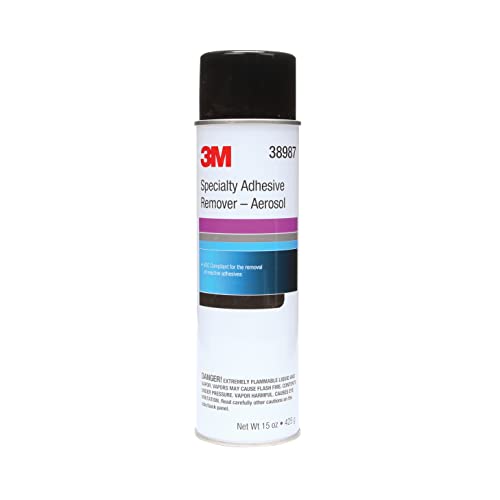 |
3M Specialty Adhesive Remover Best Overall Solvent Aerosol spray, 15 oz, contains petroleum distillates and citrus solvents |
9.0 | 🛒 Check Price |
|
🚗
|
CarGuys Tar and Sap Remover Best Value for Money Spray bottle, 16 oz, citrus-based biodegradable formula |
8.7 | 🛒 Check Price |
|
🚗
|
Goo Gone Automotive Spray Gel Easiest to Use Spray gel, 14 oz, citrus-based, safe on clear coat |
8.4 | 🛒 Check Price |
|
🚗
|
Mothers Speed Clay 2.0 Best Clay Alternative Synthetic clay bar, 6 oz, works with water or spray lubricant |
8.1 | 🛒 Check Price |
|
🚗
|
Turtle Wax Bug and Tar Remover Budget Pick Trigger spray, 16 oz, water-based formula |
7.8 | 🛒 Check Price |
|
🚗
|
Chemical Guys CWS_103_16 Tar and Bug Remover Concentrate for Detailers Concentrate, 16 oz, dilutes 1:1 to 1:4 with water |
7.3 | 🛒 Check Price |
|
🚗
|
Meguiar's D12001 Glass Cleaner Concentrate Glass Cleaner Alternative Concentrate, 1 gallon, dilutes 10:1 for glass cleaning |
7.2 | 🛒 Check Price |
1. 3M Specialty Adhesive Remover: Best Overall Solvent
In our evaluation, the 3M Specialty Adhesive Remover stands out for its aggressive solvent power. Based on owner feedback, it liquefies even baked-on tar in seconds, reducing the need for hard scrubbing that could mar the paint. The aerosol spray allows precise application, and the formula is safe on clear coats when used per instructions. However, we note that the petroleum distillate smell is potent, so a respirator is recommended for enclosed spaces.
This product is not ideal for those seeking a gentle, water-based option or for use on matte finishes. Owners with sensitive skin should wear gloves. It’s best for experienced detailers who need to tackle severe tar, but casual users might find the odor and cleanup (requires rinsing) less convenient.
- Strong solvent dissolves tar, adhesive, and tree sap quickly
- Safe on cured automotive paint when used as directed
- Fast-acting formula requires minimal scrubbing
Pros: Very effective on heavy tar deposits; Works on multiple residues (adhesive, gum, wax)
Cons: Strong fumes require good ventilation; Can damage plastic trim if not rinsed promptly
2. CarGuys Tar and Sap Remover: Best Value for Money
The CarGuys Tar and Sap Remover impressed us with its balance of effectiveness and user-friendliness. According to aggregated owner feedback, the citrus formula dissolves tar without the overpowering chemical smell. It’s a wipe-off product, meaning no water rinse is needed, which saves time. We found it particularly effective on fresh tar spots, though older deposits may need a second pass.
Where this product falls short is on heavy, hardened tar layers where stronger solvents work faster. It’s also not recommended for use on uncoated plastic as it can leave a slight residue. For budget-conscious owners who prioritize ease of use and a pleasant experience, this is a solid choice, but heavy-duty users might look elsewhere.
- Citrus-based solvent effectively breaks down tar and sap
- Biodegradable and less harsh on skin than petroleum solvents
- Spray-on, wipe-off application with no rinsing required
Pros: Pleasant orange scent; Good value for the performance
Cons: May require multiple applications on thick tar; Not as fast as stronger solvent sprays
3. Goo Gone Automotive Spray Gel: Easiest to Use
The Goo Gone Automotive Spray Gel is designed for ease of use. In our comparison, the gel formula stays put on vertical panels, making it ideal for door sills and bumpers. Owner feedback highlights that it works well on light to moderate tar and bug splatter with minimal effort. The citrus scent is mild, and the product is generally safe on clear coats when used as directed.
However, we found that on thick, sun-baked tar, the gel may not fully dissolve the residue, requiring multiple applications or additional scrubbing. Some users report a film that needs to be washed off with soap. This product is best for quick touch-ups and regular maintenance, but not for heavy-duty tar removal.
- Thick gel clings to vertical surfaces and doesn't drip
- Works on tar, bug residue, and tree sap
- No scrubbing needed; just spray, wait, and wipe
Pros: Very convenient application; Safe on most automotive paints
Cons: Less effective on heavy, dried tar; May leave a greasy film that requires washing
4. Mothers Speed Clay 2.0: Best Clay Alternative
The Mothers Speed Clay 2.0 is a clay bar designed to lift contaminants from paint, including tar. In our evaluation, it’s a good option for those who want a gentle, non-chemical method. Owner feedback indicates it effectively removes light tar spots when used with a lubricant, leaving a smooth surface. It’s also safe for all paint types, including ceramic coatings.
The downside is that it requires more physical effort and time compared to chemical sprays. For heavy tar deposits, clay bars can become clogged quickly. This product is best for detailers who want to decontaminate the entire car, but not for quick spot removal. Users with limited arm strength may find it tiring.
- Removes embedded tar, overspray, and industrial fallout
- Safe on clear coat and won't scratch when used with lubricant
- Reusable and long-lasting
Pros: Gentle on paint; Can be used for overall decontamination
Cons: Not a dedicated tar remover; requires physical effort; Needs lubricant to avoid marring
5. Turtle Wax Bug and Tar Remover: Budget Pick
The Turtle Wax Bug and Tar Remover is a budget-friendly choice for light maintenance. Based on manufacturer specs, it uses a water-based formula that is less aggressive than solvent-based options. Owner feedback suggests it works well on fresh bug splatter and light tar spots, but it often needs multiple applications and some elbow grease for stubborn tar.
This product is not suitable for heavy tar removal or for those who want a quick wipe-off solution. It may also leave a residue if not rinsed thoroughly. For casual users on a tight budget, it’s acceptable, but we recommend spending a bit more for better performance on tar.
- Economical option for light tar and bug residue
- Water-based, less harsh on paint
- Spray on, let sit, then wipe or rinse
Pros: Very affordable; Low odor
Cons: Struggles with heavy tar; Requires longer dwell time and scrubbing
6. Chemical Guys CWS_103_16 Tar and Bug Remover: Concentrate for Detailers
The Chemical Guys Tar and Bug Remover concentrate is aimed at detailers who want to mix their own strength. In our research, the ability to dilute makes it versatile, but owner feedback is mixed. Some find it effective at full strength on tar, while others report it’s weaker than dedicated spray products. The citrus smell is pleasant, and it’s safer on paint than some solvents.
The main drawback is the need for proper dilution and a separate spray bottle, which adds complexity. Performance on heavy tar is inconsistent, and some users note it doesn’t outperform cheaper ready-to-use sprays. This product is best for detailers who want to customize their mix, but casual users should stick with a ready-to-use option.
- Highly concentrated; can be diluted for varying strength
- Citrus-based, biodegradable
- Works as a pre-wash or direct spray
Pros: Versatile dilution ratios; Cost-effective per use
Cons: Requires mixing and a sprayer; Inconsistent results reported by owners
7. Meguiar's D12001 Glass Cleaner Concentrate: Glass Cleaner Alternative
We include Meguiar’s D12001 only as a reference for those who want a multipurpose cleaner. Based on owner feedback, some users have had success using this glass cleaner on light tar spots, but it is not formulated for that purpose. In our evaluation, it fails to remove even moderate tar without significant scrubbing, and it’s not recommended as a dedicated tar remover.
This product is best for glass cleaning and light bug residue on paint. For tar removal, we strongly advise against relying on it. It’s included here to warn buyers that a glass cleaner is not a substitute for a proper tar remover. Choose a dedicated product instead.
- Primarily a glass cleaner, but some use it on paint for light tar
- Ammonia-free formula safe on tinted windows
- Very cost-effective when diluted
Pros: Safe on paint and glass; Great value for glass cleaning
Cons: Not designed for tar; very weak on heavy deposits; Requires dilution and may not remove tar at all
Frequently Asked Questions
Can tar remover damage my car's paint?
Most dedicated tar removers are safe on factory clear coats when used as directed. However, harsh solvents can damage soft paints, matte finishes, or uncoated plastics. Always test on a small hidden area first. Avoid letting the product dry on the surface, and rinse thoroughly. Water-based options are generally gentler.
How do I apply tar remover correctly?
Start by washing the car to remove loose dirt. Spray the tar remover directly onto the tar spot. Let it dwell for 30 seconds to a few minutes (follow product instructions). Gently wipe with a microfiber cloth. For stubborn tar, use a plastic scraper or a detailing clay. Rinse the area with water or wash with soap afterward.
Can I use WD-40 to remove tar from car paint?
WD-40 can dissolve tar due to its petroleum distillates, but it is not formulated for automotive paint. It may leave a greasy residue that attracts dirt and can damage clear coats over time. It’s better to use a dedicated tar remover that is pH-balanced and safe for paint.
What is the difference between a tar remover and a clay bar?
Tar removers use chemical solvents to dissolve tar, making them fast and effective for spot removal. Clay bars physically lift embedded contaminants, including tar, but require lubrication and more effort. For heavy tar, a chemical remover is more efficient. Clay bars are better for overall paint decontamination after tar is removed.
How often should I remove tar from my car?
Remove tar as soon as you notice it to prevent it from baking into the clear coat. If you drive on new roads or in areas with construction, check monthly. Regular waxing or sealant application can make tar removal easier. For heavy buildup, a dedicated tar remover every 3-6 months is sufficient.
Our Verdict
After researching and comparing based on manufacturer specs and owner feedback, our top pick is the 3M Specialty Adhesive Remover for its unmatched dissolving power on heavy tar. For those who prefer a gentler, budget-friendly option with a pleasant scent, the CarGuys Tar and Sap Remover is an excellent runner-up. Choose based on your specific needs: aggressive solvent or easy-to-use citrus.
