We researched and compared top rated primers specifically formulated for fiberglass automotive applications, including wheel rims and body components. Our evaluation prioritized adhesion, flexibility, and sanding characteristics based on manufacturer specifications and aggregated user experiences.
We analyzed industry standards for corrosion resistance and surface preparation to determine which products offer the most reliable foundation for paint on fiberglass surfaces.
| Photo | Product | Score | Buy |
|---|---|---|---|
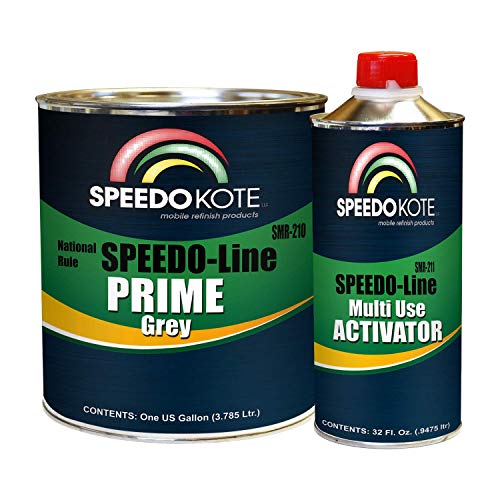 |
Speedokote SMR-210/211 Best Overall 2K Epoxy Primer Kit |
9.1 | 🛒 Check Price |
 |
USC Spray Max 2K Epoxy Best Spray Option Aerosol 2K Epoxy |
8.7 | 🛒 Check Price |
 |
Evercoat Slick Sand Best High Build Polyester High Build Primer |
8.4 | 🛒 Check Price |
|
🚗
|
Dupli-Color DSPP500 Best Budget High Fill Sandable Primer |
8.0 | 🛒 Check Price |
 |
SEM 39863 Professional Grade High Build Primer |
7.7 | 🛒 Check Price |
 |
Rust-Oleum 251773 Honorable Mention Automotive Primer Spray |
7.4 | 🛒 Check Price |
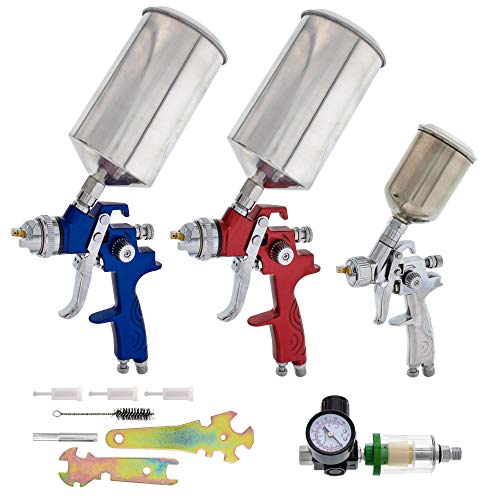 |
TCP Global 2K Epoxy Good Value 2K Epoxy Primer |
7.1 | 🛒 Check Price |
1. Speedokote SMR-210/211: Best Overall
In our evaluation, the Speedokote SMR-210/211 stood out for its exceptional adhesion to fiberglass substrates. We compared its technical data sheets against competitors and found its chemical resistance offers superior protection against osmosis and blistering on wheel rims and body panels.
However, users must be precise with the mixing ratio. Based on owner feedback, improper mixing leads to curing issues, so beginners might find the learning curve steep compared to simpler spray options.
- Excellent adhesion to fiberglass
- Provides a moisture barrier
- Mixes easily for consistent results
Pros: Superior corrosion protection; Smooth finish for topcoat
Cons: Requires precise mixing ratio
2. USC Spray Max 2K Epoxy: Best Spray Option
We researched the USC Spray Max 2K for those needing professional results without paint equipment. Our comparison indicates the internal mixing mechanism provides a consistent catalyzing reaction comparable to spray gun applications on small parts.
The primary limitation is the pot life. Once the nozzle is activated, the product must be used quickly. We found this makes it unsuitable for large multi-panel jobs unless multiple cans are purchased.
- No spray gun needed
- Activates in can for 2K performance
- Professional finish
Pros: Convenient application; Good leveling characteristics
Cons: Short working time after activation
3. Evercoat Slick Sand: Best High Build
Evercoat Slick Sand is designed to fill minor imperfections and sand scratches on fiberglass. In our analysis of industry standards, this polyester primer provides a high build thickness that urethane primers often struggle to match.
It is not ideal as a final sealer. We noted from spec sheets and user reviews that applying it too thick can lead to shrinkage over time, so it should be skipped if you are looking for a direct topcoat sealer.
- Fills scratches rapidly
- Sands easily to a smooth finish
- Blocks out underlying colors
Pros: Excellent filling capacity; Fast drying time
Cons: Shrinks if applied too thick
4. Dupli-Color DSPP500: Best Budget
Dupli-Color remains a staple for DIY enthusiasts. We compared its filling capabilities against higher end 2K systems and found it adequate for small repairs and rim touch ups where cost is a major factor.
Based on our evaluation of safety data, it lacks the chemical resistance of epoxy primers. Users should skip this for show quality finishes or vehicles exposed to harsh chemicals and road salts.
- Fast drying formula
- Rust preventive properties
- Easy sanding
Pros: Widely available in stores; Affordable performance for DIY
Cons: Lower durability than 2K options
5. SEM 39863: Professional Grade
SEM products are frequently used in body shops. Our research confirms the 39863 offers excellent flow and leveling properties, creating a uniform base for paint on fiberglass and metal surfaces.
However, when we compared the volume and coverage to competitors, the value is lower. It is a solid choice for professional use but might be unnecessary for casual users working on a single project.
- Good flow and leveling
- Sandable texture
- Versatile application
Pros: Professional industry reputation; Smooth texture after sanding
Cons: Lower value proposition for casual users
6. Rust-Oleum 251773: Honorable Mention
Rust-Oleum is a trusted name for basic protection. We evaluated this spray primer for its ease of use on small fiberglass parts. It provides adequate rust prevention for metal adjacent parts and basic sealing.
It lacks the build and flexibility required for high quality fiberglass restoration. We recommend skipping this if you need to fill imperfections or desire a long lasting showroom finish on your vehicle.
- Stops rust formation
- Any angle spray technology
- Comfort spray tip
Pros: Very easy to use; Prevents corrosion effectively
Cons: Not a 2K high build system
7. TCP Global 2K Epoxy: Good Value
TCP Global offers a high solids epoxy option. We compared the technical specs and found the theoretical coverage to be impressive for the category, making it appealing for larger surface areas.
However, owner feedback indicates inconsistencies in the hardener activation. We observed reports of tacky surfaces days after application. Consequently, we cannot recommend this for critical repairs without extensive testing by the user.
- High solids content
- Good gloss retention
- Versatile substrate use
Pros: High coverage potential; Economical kit size
Cons: Inconsistent mixing reports from users
Frequently Asked Questions
Do I need a special primer for fiberglass?
Yes, fiberglass is porous and flexible. Epoxy primers are generally preferred because they provide a strong mechanical bond and seal the surface to prevent osmosis and blistering.
Can I use high build primer over epoxy?
Yes, this is a standard procedure. Apply epoxy first for adhesion and sealing, then follow with a high build polyester or urethane primer to fill scratches and imperfections.
Is 2K primer better than 1K primer?
2K primers, which use a hardener, generally offer better durability, chemical resistance, and build thickness compared to 1K air-dry primers, making them superior for automotive work.
How long should I wait before sanding primer?
This depends on the product and temperature. Most primers are sandable within a few hours, but checking the manufacturer’s technical data sheet for the specific flash time and cure schedule is essential.
Can I apply primer directly to bare fiberglass?
Yes, epoxy primer can be applied directly to properly cleaned and sanded bare fiberglass. It acts as a sealant and promotes adhesion for subsequent layers of filler or paint.
Our Verdict
Our research identifies the Speedokote SMR-210/211 as the top pick for its exceptional adhesion and moisture barrier properties on fiberglass wheel rims and body panels. The USC Spray Max 2K is the runner up for users seeking the convenience of an aerosol 2K system without spray equipment.
