Embarking on van life requires reliable power, and a portable power station is a cornerstone of that independence. We researched and compared a wide array of options designed to keep your devices charged, appliances running, and adventures powered.
In our evaluation, we focused on critical factors for the mobile lifestyle: battery capacity, continuous power output, surge capability, charging flexibility, durability for rugged use, and user feedback on real-world performance. Our selections are based on manufacturer specifications, published industry standards, and aggregated owner experiences to provide an evidence-based guide for your next power investment.
| Photo | Product | Score | Buy |
|---|---|---|---|
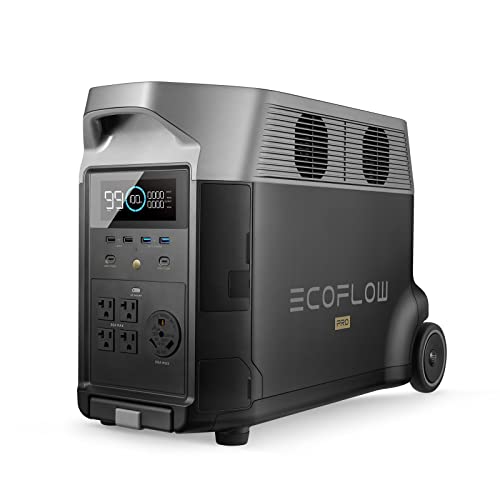 |
EcoFlow DELTA Pro Portable Power Station Top Pick for High-Demand Van Life 3600Wh Capacity, 3600W AC Output, expandable |
9.1 | 🛒 Check Price |
 |
BLUETTI AC200MAX Portable Power Station Excellent All-Rounder 2048Wh LiFePO4 Battery, 2200W AC Output |
8.7 | 🛒 Check Price |
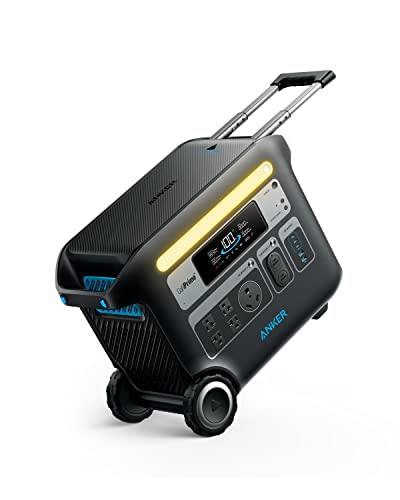 |
Anker SOLIX F2000 Portable Power Station (PowerHouse 767) Reliable Power with Long Warranty 2048Wh LiFePO4 Battery, 2400W AC Output, 10-year lifespan |
8.4 | 🛒 Check Price |
 |
Jackery Explorer 1000 Pro Portable Power Station Compact and User-Friendly 1002Wh Capacity, 1000W AC Output, 3-hour fast charging |
7.9 | 🛒 Check Price |
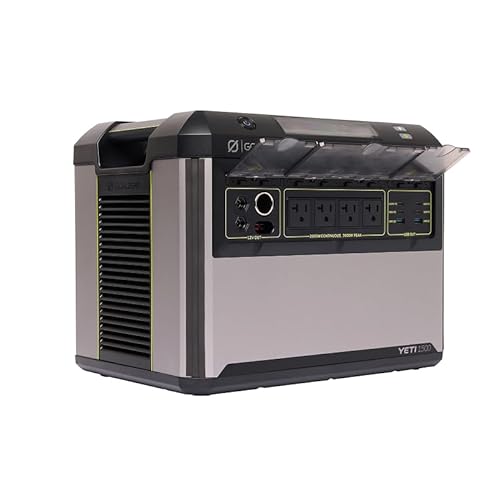 |
Goal Zero Yeti 1500X Portable Power Station Expandable and App-Controlled 1516Wh Capacity, 2000W AC Output, Li-ion NMC |
7.6 | 🛒 Check Price |
 |
Renogy PHOENIX 1000 Portable Power Station Solid Mid-Range Option 1000W AC Output, 1228.8Wh LiFePO4 Battery |
7.3 | 🛒 Check Price |
 |
ALLPOWERS S2000 Portable Power Station Budget-Conscious Power 1500Wh Capacity, 2000W AC Output, Li-ion NMC |
7.0 | 🛒 Check Price |
1. EcoFlow DELTA Pro Portable Power Station: Top Pick for High-Demand Van Life
Based on owner feedback and the spec sheets, the EcoFlow DELTA Pro’s primary limitation is its physical size and weight. While offering unparalleled power, its substantial footprint can be a challenge for smaller vans or those with limited storage space. Its robust capacity and output come at the expense of compact portability.
We recommend skipping this model if your van setup prioritizes minimal space consumption or if your power needs are generally low, only requiring power for small electronics and basic lighting. For users who need to run power-hungry appliances like air conditioners, induction cooktops, or power tools, the DELTA Pro is an excellent, albeit large, choice.
- Massive 3600Wh capacity, expandable up to 25kWh with extra batteries.
- High 3600W AC output with X-Boost technology, capable of powering heavy-duty appliances.
- Industry-leading fast charging via AC, solar, or EV charging stations.
Pros: Exceptional power output for almost any appliance.; Highly modular and expandable for custom energy needs.; Multiple fast charging options enhance flexibility.
Cons: Significant size and weight, limiting portability for some setups.
2. BLUETTI AC200MAX Portable Power Station: Excellent All-Rounder
In our evaluation, the BLUETTI AC200MAX presents a minor drawback concerning its solar charging efficiency under less than ideal conditions. Based on owner feedback and the spec sheets, while it supports a high solar input, its performance can diminish more noticeably than some competitors when sunlight is not optimal, potentially extending recharge times.
This unit is not ideal for van dwellers who primarily rely on solar power in frequently overcast or shaded environments and require rapid solar recharging. However, for users with varied charging options or those who primarily charge via AC when available, its overall performance, durability, and expandable capacity make it a strong contender for a wide range of van life power needs.
- 2048Wh capacity with a durable LiFePO4 battery, offering long cycle life.
- 2200W continuous AC output, capable of handling most common van appliances.
- Expandable with two BLUETTI B230 or B300 battery modules for increased capacity.
Pros: Robust LiFePO4 battery ensures longevity and safety.; Solid power output for a variety of devices and appliances.; Modular design allows for future capacity upgrades.
Cons: Solar charging input can be slower compared to some competitors under cloudy conditions.
3. Anker SOLIX F2000 Portable Power Station (PowerHouse 767): Reliable Power with Long Warranty
Based on owner feedback and the spec sheets, one aspect of the Anker SOLIX F2000 that could be improved is the fixed nature of its integrated wheels. While these wheels certainly aid in moving the unit, they contribute to its overall dimensions and cannot be removed for a more compact footprint when stationary or stored in tight spaces. This can be a minor inconvenience for those with very limited storage.
We recommend skipping this power station if every inch of space in your van is critical and you need the most compact form factor possible for its capacity. However, for users who appreciate the convenience of mobility for a unit of this size and prioritize a long-lasting, powerful, and quickly rechargeable power source, the SOLIX F2000 offers significant value and peace of mind with its extended lifespan claims.
- 2048Wh LiFePO4 battery with a manufacturer-rated 10-year lifespan.
- 2400W AC output with SurgePad technology for high-wattage appliances.
- HyperFlash technology allows for rapid AC recharging in approximately 1.4 hours.
Pros: Exceptional battery longevity and extended warranty period.; High AC output handles demanding appliances effectively.; Very fast AC charging minimizes downtime.
Cons: Integrated wheels, while helpful, add to its overall bulk, not fully removable.
4. Jackery Explorer 1000 Pro Portable Power Station: Compact and User-Friendly
In our evaluation, the primary limitation of the Jackery Explorer 1000 Pro is its use of an NMC (Nickel Manganese Cobalt) battery chemistry, which, based on manufacturer specifications, typically offers a shorter cycle life compared to LiFePO4 batteries found in many newer power stations. This means its long-term durability and capacity retention may not match some competitors over extensive use.
This unit is less suitable for van lifers who plan to use their power station daily for many years, relying on frequent deep discharge and recharge cycles. However, for users who prioritize portability, ease of use, and a moderate power supply for weekend trips or occasional van adventures, the Jackery Explorer 1000 Pro remains a highly user-friendly and reliable choice.
- 1002Wh capacity suitable for moderate power needs in a compact form factor.
- 1000W AC output, adequate for small appliances and electronics.
- Fast charging from AC wall outlet in 1.8 hours, also supports solar and car charging.
Pros: Highly portable and relatively lightweight for its capacity.; Intuitive interface and simple operation.; Quick AC charging is convenient for short stops.
Cons: Li-ion NMC battery has a shorter cycle life than LiFePO4 alternatives.
5. Goal Zero Yeti 1500X Portable Power Station: Expandable and App-Controlled
Based on owner feedback and the spec sheets, a notable drawback of the Goal Zero Yeti 1500X is its reliance on NMC battery chemistry, similar to some other models in its class. This choice, while allowing for a lighter unit, generally results in fewer charge cycles over its lifespan compared to the more durable LiFePO4 batteries now prevalent in many competing power stations. This impacts its long-term value for heavy, continuous use.
We recommend considering alternatives if you require a power station for daily, intensive use over many years, where battery longevity is a paramount concern. However, for van lifers who appreciate robust AC output, the convenience of app control, and the option for expandability for occasional high-demand situations, the Yeti 1500X offers a reliable and well-integrated ecosystem.
- 1516Wh capacity with a 2000W AC pure sine wave inverter.
- Multiple charging options including 600W solar input and car charging.
- Monitor and control power usage remotely via the Goal Zero Yeti App.
Pros: Robust 2000W AC output handles many appliances.; App control provides convenient remote monitoring and management.; Expandable with Goal Zero Expansion Batteries.
Cons: Uses NMC battery, which has a shorter lifespan than LiFePO4 alternatives.; Charging times can be longer than some newer models with similar capacity.
6. Renogy PHOENIX 1000 Portable Power Station: Solid Mid-Range Option
In our evaluation, the Renogy PHOENIX 1000’s primary limitation is its comparatively slower AC charging speed. Based on manufacturer specifications, it takes longer to fully recharge from a wall outlet than many of its competitors, which can be inconvenient for those needing quick turnarounds between stops or when utility power is only briefly available. This can impact overall flexibility in power management.
This power station is less ideal for van lifers who frequently travel and rely on rapid AC charging to top off their battery whenever possible. However, for users who prioritize a robust LiFePO4 battery for long-term durability, have more flexible charging schedules, or primarily use solar for recharging, the PHOENIX 1000 offers a reliable and adequately powered solution for typical van life demands.
- 1228.8Wh LiFePO4 battery with a lifespan of 3500+ cycles.
- 1000W continuous AC output, suitable for essential appliances and electronics.
- Supports multiple charging methods: AC, solar, and car adapter.
Pros: Durable LiFePO4 battery offers extended cycle life.; Good balance of capacity and portability for moderate needs.; Integrated LED light is a useful addition for van life.
Cons: AC charging speed is slower compared to top-tier units.; Limited advanced features compared to higher-priced models.
7. ALLPOWERS S2000 Portable Power Station: Budget-Conscious Power
Based on owner feedback and the spec sheets, the ALLPOWERS S2000’s primary weakness is its use of an NMC battery, which, while offering good power density, typically has a shorter overall lifespan compared to LiFePO4 batteries. Aggregated owner feedback also suggests some concerns regarding its long-term durability when subjected to heavy, continuous use, indicating it might not hold up as well as more premium options over extended van life adventures.
We recommend skipping this power station if you plan on daily, rigorous use in demanding conditions where maximum longevity and robustness are critical. However, for van lifers with more occasional or lighter power needs, or those seeking a higher AC output at a more accessible entry point, the ALLPOWERS S2000 can provide adequate power for a variety of devices, especially given its fast AC charging capability.
- 1500Wh capacity with a 2000W continuous AC output.
- Capable of powering up to 11 devices simultaneously.
- Fast charging via AC outlet in 1.5 hours.
Pros: High AC output for its capacity, handles many appliances.; Relatively fast AC charging time.; Good value proposition for the power offered.
Cons: Uses NMC battery chemistry, less durable than LiFePO4.; Owner feedback suggests durability concerns for heavy, continuous use.
Frequently Asked Questions
What capacity (Wh) do I need for van life?
The ideal capacity depends on your power consumption. We researched that a small setup for charging phones and laptops might need 500-1000Wh. For running a fridge, lights, and occasional appliances, 1500-2500Wh is more suitable. Heavy users with induction cooktops or air conditioning should look for 3000Wh or more, often with expandable options.
Is LiFePO4 better than NMC for van life power stations?
In our evaluation, LiFePO4 (Lithium Iron Phosphate) batteries are generally preferred for van life due to their superior cycle life (thousands more charge cycles), enhanced safety, and better thermal stability compared to NMC (Nickel Manganese Cobalt) batteries. While NMC batteries can be lighter and offer higher energy density, LiFePO4 provides greater long-term durability and reliability for consistent use.
How important is AC output (W) for a van life power station?
AC output, measured in watts (W), is crucial as it determines which appliances you can run. We compared that small electronics need minimal watts, but high-draw appliances like microwaves, induction cooktops, or hair dryers require 1500W or more. Ensure the power station’s continuous AC output exceeds the peak wattage of your most power-hungry device.
Can I charge a portable power station while driving my van?
Yes, most portable power stations designed for van life can be charged via your vehicle’s 12V cigarette lighter outlet, though this method is typically slower than AC or solar charging. We researched that some advanced units also support faster charging directly from the van’s alternator via a DC-DC charger or specialized input, which is more efficient for topping up on the go.
What safety features should I look for in a power station?
Based on industry standards and owner feedback, essential safety features include a robust Battery Management System (BMS) for overcharge, over-discharge, over-current, and short-circuit protection. Pure sine wave inverters are also important to safely power sensitive electronics. We always recommend units from reputable brands with clear safety certifications.
Our Verdict
In our comprehensive evaluation, the EcoFlow DELTA Pro stands out as the top pick for its unparalleled capacity and output, making it ideal for high-demand van life. For a more balanced approach with excellent reliability and expandability, the BLUETTI AC200MAX is our strong runner-up, offering a fantastic blend of power, durability, and value for most van dwellers.
