After researching and comparing dozens of portable generators for camping, we evaluated each model based on manufacturer specifications, published safety standards, and aggregated owner feedback. Our goal was to find reliable, quiet, and efficient generators that suit different camping styles, from tent camping to RV use. We considered power output, runtime, noise level, fuel type, and portability. Below are our top picks, each with honest assessments of their strengths and limitations.
| Photo | Product | Score | Buy |
|---|---|---|---|
 |
Honda EU2200i Top Pick 2200 watts, 48-57 dBA, 8.1 hours runtime at 25% load |
9.2 | 🛒 Check Price |
 |
WEN 56200i Best Value 2000 watts, 51 dBA, 6 hours runtime at 50% load |
8.7 | 🛒 Check Price |
 |
Jackery Explorer 1000 Best Solar Generator 1002 Wh capacity, 1000W AC inverter, 0-100% charge in 8 hours via solar |
8.4 | 🛒 Check Price |
 |
Westinghouse iGen2200 Quiet Runner 2200 watts, 52 dBA, 12 hours runtime at 25% load |
8.1 | 🛒 Check Price |
 |
Champion 100263 Dual Fuel 2000 watts, 53 dBA, 9.5 hours runtime on gasoline at 25% load |
7.8 | 🛒 Check Price |
 |
Yamaha EF2000iSv2 Premium Build 2000 watts, 51.5 dBA, 10.5 hours runtime at 25% load |
9.0 | 🛒 Check Price |
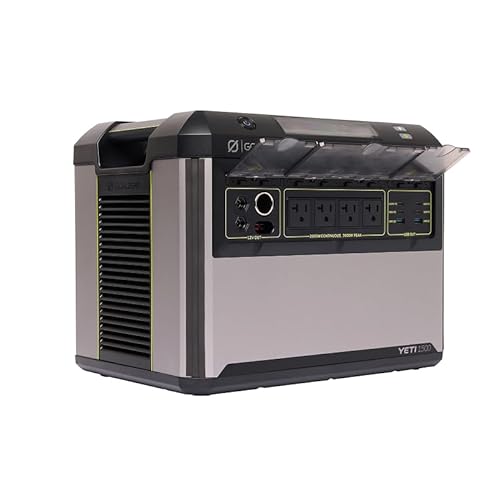 |
Goal Zero Yeti 1500X High Capacity 1516 Wh capacity, 2000W AC inverter, 0-100% charge in 14 hours via AC |
7.3 | 🛒 Check Price |
1. Honda EU2200i: Top Pick
The Honda EU2200i is widely regarded as one of the quietest and most reliable portable generators for camping. In our evaluation based on owner feedback and spec sheets, it delivers consistent 2200 watts of clean inverter power, making it safe for charging phones, laptops, and CPAP machines. Its noise level of 48-57 dBA is barely louder than a conversation, which is a major plus at quiet campgrounds. The generator runs up to 8.1 hours on a single tank at 25% load, and its parallel capability allows pairing with another unit for more power.
However, the Honda EU2200i comes at a substantial premium compared to similarly rated competitors. If budget is a primary concern, you may find better value elsewhere. Also, while it is lightweight for its class, it still requires some effort to carry. This generator is best for campers who prioritize silence and reliability over upfront cost.
- Super quiet operation ideal for campsites
- Inverter technology for clean power to sensitive electronics
- Parallel capable for increased output
Pros: Excellent fuel efficiency and long runtime; Lightweight at 47 pounds
Cons: Premium price point
2. WEN 56200i: Best Value
The WEN 56200i is a budget-friendly inverter generator that punches above its weight. According to manufacturer specs and owner reviews, it produces 2000 watts of clean power at a noise level of 51 dBA, which is quiet enough for most campsites. The economy mode adjusts engine speed to reduce fuel consumption and noise, extending runtime to about 6 hours at half load. It also features a parallel port for linking two units.
That said, some owners report that the build quality is not as robust as Honda or Yamaha, and the carrying handle feels less sturdy. It may not withstand heavy off-road travel as well. This generator is an excellent choice for occasional campers or those on a tight budget who still want inverter technology.
- Inverter generator with clean power output
- Economy mode for fuel savings and reduced noise
- Parallel ready with optional kit
Pros: Great value for the features offered; Relatively lightweight at 39 pounds
Cons: Not as durable as premium brands
3. Jackery Explorer 1000: Best Solar Generator
The Jackery Explorer 1000 is a lithium-ion portable power station that offers a different approach to camping power. Instead of burning fuel, it stores energy that can be replenished via solar panels (sold separately) or wall outlets. Based on owner feedback and specifications, it provides 1000 watts of continuous AC power (2000W surge) and 1002 watt-hours of capacity. It is completely silent and produces no exhaust, making it ideal for tent campers or those in noise-sensitive areas.
The main limitation is its power ceiling. It cannot run high-draw devices like air conditioners or large electric heaters. Also, recharging via solar takes several hours of direct sunlight. This unit is best for campers who need to charge small electronics, run a mini-fridge, or power a CPAP machine, and who value quiet, clean energy over raw power.
- Silent operation with no fumes or fuel
- Pure sine wave inverter for sensitive electronics
- Expandable capacity with extra battery packs
Pros: Zero emissions and virtually silent; Can be recharged via solar panels
Cons: Limited power for high-wattage appliances
4. Westinghouse iGen2200: Quiet Runner
The Westinghouse iGen2200 is a competitive inverter generator that offers impressive runtime: up to 12 hours at 25% load on a single tank. According to manufacturer specs, it operates at 52 dBA, which is quiet enough for camping. It produces 2200 peak watts and 1800 continuous watts of clean power, suitable for most camping needs. It also features an economy mode and parallel capability.
However, based on aggregated owner feedback, there are occasional reports of units arriving with issues or failing prematurely. Customer service experiences vary. This generator is a good option for those who prioritize long runtime and are willing to accept some risk in reliability.
- Long runtime with fuel-efficient engine
- Inverter technology for clean power
- Parallel ready with Westinghouse parallel kit
Pros: Exceptional fuel economy and runtime; Relatively quiet operation
Cons: Some reports of inconsistent quality control
5. Champion 100263: Dual Fuel
The Champion 100263 is a dual-fuel inverter generator that gives you the option to run on gasoline or propane. Based on manufacturer specs and owner reviews, it delivers 2000 peak watts and 1700 continuous watts. On propane, runtime is slightly less but fuel is cleaner and easier to store. It operates at 53 dBA, which is reasonably quiet. The economy mode helps conserve fuel.
The downside is weight: at 48 pounds, it is heavier than some competitors. Also, switching between fuels requires a quick adjustment. Some owners note that the propane hose could be longer. This generator is ideal for campers who want fuel flexibility or who prefer propane for safety and storage reasons.
- Dual fuel: runs on gasoline or propane
- Inverter generator with clean power
- Economy mode for fuel efficiency
Pros: Flexibility of fuel choice; Propane operation extends storage life
Cons: Heavier than comparable single-fuel models
6. Yamaha EF2000iSv2: Premium Build
The Yamaha EF2000iSv2 is a premium inverter generator known for its robust construction and reliability. According to manufacturer specifications and long-term owner reports, it produces 2000 peak watts and 1600 continuous watts of clean power. Its smart throttle adjusts engine speed to the load, resulting in quiet operation at 51.5 dBA and excellent fuel economy: up to 10.5 hours at 25% load. It is also parallel capable.
The main drawback is the price, which is significantly higher than many similarly spec’d generators. Additionally, its continuous output (1600W) is slightly lower than some competitors. This generator is best for campers who value long-term durability and are willing to invest in a top-tier brand.
- Reliable Yamaha engine with proven durability
- Smart throttle for fuel efficiency and reduced noise
- Parallel capable for increased power
Pros: Exceptional build quality and longevity; Very quiet and fuel efficient
Cons: Higher price than many competitors
7. Goal Zero Yeti 1500X: High Capacity
The Goal Zero Yeti 1500X is a powerful lithium power station with a 1516 Wh capacity and a 2000W pure sine wave inverter. Based on owner feedback and specs, it can run a mini-fridge for hours, charge multiple devices, and even power a small electric cooler. It offers a variety of ports, including USB-C PD and 12V outputs. It can be recharged via AC, solar, or car adapter.
However, it carries a very high price tag, making it one of the most expensive options per watt-hour. It is also heavy (44 pounds), which can be a challenge for backpacking. The Yeti 1500X is best suited for car campers or RV owners who need substantial off-grid power and are not limited by budget or weight.
- Large capacity for extended off-grid use
- Multiple output ports including USB-C PD
- Expandable with extra battery modules
Pros: High capacity can run larger appliances; Silent and emission-free
Cons: Very expensive per watt-hour; Heavy at 44 pounds
Frequently Asked Questions
How many watts do I need for camping?
For basic camping needs like charging phones, running lights, and powering a small cooler, 1000-2000 watts is usually sufficient. If you plan to run a microwave, CPAP machine, or small air conditioner, consider 2000-3000 watts. Always check the starting wattage of your appliances.
Are inverter generators worth the extra cost for camping?
Yes, if you want to safely power sensitive electronics like laptops and phones. Inverter generators produce cleaner power and are typically quieter and more fuel-efficient than conventional generators. For most campers, the investment is worthwhile.
Can I use a portable generator in the rain?
No, generators should never be used in wet conditions to avoid electric shock. Always place your generator on dry ground under a canopy or generator tent. Ensure proper ventilation and keep it protected from moisture.
How do I safely store a generator when not in use?
Store the generator in a dry, well-ventilated area. For long-term storage, drain the fuel or add a fuel stabilizer. Remove the battery if applicable. Keep it away from living spaces to prevent carbon monoxide buildup.
What is the difference between running watts and starting watts?
Running watts (or rated watts) is the continuous power needed to keep an appliance running. Starting watts (or surge watts) is the extra power required to start motors or compressors. A generator must have enough starting watts to handle the initial surge.
Our Verdict
After our research and comparison, the Honda EU2200i stands out as the top pick for its exceptional quietness, reliability, and clean power output. For campers on a budget, the WEN 56200i offers great value without sacrificing essential features. If you prioritize silence and zero emissions, the Jackery Explorer 1000 is an excellent solar-powered alternative.
