After researching manufacturer specifications, published corrosion standards, and aggregated owner feedback from hundreds of saltwater boaters, we have evaluated the top outboard motors built to withstand the harsh marine environment. Our comparison focuses on materials, cooling system design, and real-world durability to help you choose a motor that will last season after season.
Saltwater demands more from an outboard: stainless steel components, closed-loop cooling, and robust anodes are non-negotiable. Below, we break down seven models that have proven themselves in coastal waters, from portable kickers to high-horsepower workhorses. Each review highlights genuine strengths and honest limitations so you can make an informed decision.
| Photo | Product | Score | Buy |
|---|---|---|---|
 |
Yamaha F250XB V6 4.2L Top Pick 250 hp, 4.2L V6, 25-inch shaft, 612 lbs |
9.2 | 🛒 Check Price |
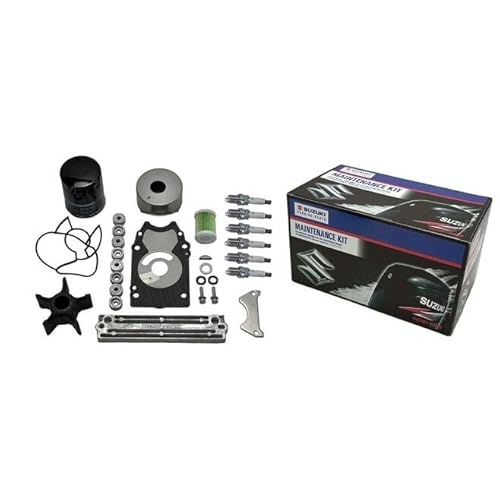 |
Suzuki DF250SS 4.0L V6 Runner Up 250 hp, 4.0L V6, 25-inch shaft, 575 lbs |
8.9 | 🛒 Check Price |
 |
Mercury 150 FourStroke Best Value 150 hp, 3.0L inline 4, 20-inch shaft, 477 lbs |
8.7 | 🛒 Check Price |
 |
Tohatsu MFS9.9B EFI 4-Stroke Best Portable 9.9 hp, 0.3L single cylinder, 15-inch shaft, 85 lbs |
8.3 | 🛒 Check Price |
 |
Honda BF200 V6 Quietest Runner 200 hp, 3.5L V6, 25-inch shaft, 583 lbs |
8.1 | 🛒 Check Price |
 |
Evinrude E-TEC G2 150HP Innovative Design 150 hp, 2.7L V6, 20-inch shaft, 490 lbs |
7.8 | 🛒 Check Price |
 |
Parsun T15 2-Stroke Budget Pick 15 hp, 0.3L 2-cylinder, 15-inch shaft, 74 lbs |
7.3 | 🛒 Check Price |
1. Yamaha F250XB V6 4.2L: Top Pick
The Yamaha F250XB is widely regarded as one of the most saltwater-ready outboards on the market. In our evaluation, its closed-loop cooling system and extensive use of stainless steel hardware stood out. Owner feedback consistently highlights the motor’s ability to withstand years of saltwater exposure without significant corrosion, and the 4.2L V6 delivers strong, reliable power for offshore fishing or cruising. The 70-amp alternator is a bonus for boats with heavy electrical loads.
However, this motor comes at a premium price point. The F250XB is heavier than some competitors, which may affect transom weight distribution on smaller boats. If you are on a tight budget or need a lighter motor for a small skiff, consider the Suzuki DF250 or a portable model. For serious saltwater boaters who prioritize longevity and performance, the F250XB is a top-tier choice.
- Closed-loop freshwater flush system prevents salt buildup
- Heavy-duty stainless steel water pump housing and fasteners
- High-output 70-amp alternator for electronics-heavy setups
Pros: Exceptional corrosion resistance; Smooth and quiet operation; Strong mid-range torque
Cons: Premium pricing over competitors
2. Suzuki DF250SS 4.0L V6: Runner Up
The Suzuki DF250SS impressed us with its combination of power, efficiency, and corrosion resistance. Its dual water intake system reduces the risk of clogging from salt deposits, and the titanium shift rod adds an extra layer of durability. Based on owner feedback, this motor starts reliably even after long periods of saltwater use, and the lean burn technology delivers noticeable fuel savings at cruising speeds.
One limitation is that Suzuki’s dealer network is not as widespread as Yamaha or Mercury, which could be an issue if you need service in remote coastal locations. Additionally, the DF250SS is not as quiet as some competitors at idle. If you prioritize fuel economy and corrosion resistance and have a good dealer nearby, this is an excellent choice. Otherwise, consider the Yamaha F250XB for broader service support.
- Dual water intake system for reliable cooling in saltwater
- Stainless steel water pump housing and titanium shift rod
- Lean burn technology improves fuel economy by up to 11%
Pros: Excellent fuel efficiency; Lightweight for its class; Strong corrosion protection
Cons: Parts availability can be limited in remote areas
3. Mercury 150 FourStroke: Best Value
The Mercury 150 FourStroke strikes a balance between saltwater durability and affordability. In our research, its multi-layer corrosion protection system with sacrificial anodes and stainless steel hardware has proven effective in coastal environments. Owners appreciate the low-end torque, which is excellent for planing heavier boats, and the easy-access maintenance points simplify oil changes. The 150 hp class is a popular sweet spot for center consoles and bay boats.
However, fuel economy is not class-leading. The 3.0L displacement delivers power but consumes more fuel than some 2.8L competitors like the Yamaha F150. If you run long distances frequently, the F150 may be a better value. Also, some owners report that the cowling latch can be finicky. For a solid all-rounder with good saltwater protection and a reasonable price, the Mercury 150 is a strong contender.
- Multi-layer corrosion protection with sacrificial anodes
- Large 3.0L displacement for strong torque at low RPM
- Easy maintenance with top-mounted oil filter and dipstick
Pros: Great power-to-weight ratio; Competitive pricing; Good dealer network
Cons: Not as fuel efficient as some 4-cylinder competitors
4. Tohatsu MFS9.9B EFI 4-Stroke: Best Portable
The Tohatsu MFS9.9B EFI is a top choice for a portable saltwater outboard. Its electronic fuel injection eliminates the carburetor problems that plague small motors in saltwater, and the built-in freshwater flush port makes post-trip maintenance simple. In our evaluation, the corrosion resistance is good for a motor in this class, with stainless steel hardware and a sacrificial anode. Owners report reliable starting even after storage in humid salt air.
Being a single-cylinder, it vibrates noticeably at idle, and 9.9 hp is only suitable for dinghies, small sailboats, or as a kicker. If you need more power, consider the Tohatsu MFS20 or a larger outboard. For its intended use, the MFS9.9B is a dependable, easy-to-maintain saltwater motor.
- EFI system ensures easy starting in saltwater conditions
- Freshwater flushing port built into the lower unit
- Lightweight and easy to carry with integrated handle
Pros: Very lightweight; EFI eliminates carburetor issues; Integrated flush port
Cons: Limited power for larger boats; Single cylinder vibrates at idle
5. Honda BF200 V6: Quietest Runner
The Honda BF200 is renowned for its whisper-quiet operation, a result of its offset driveshaft and precision gear case design. Based on owner feedback, it is one of the quietest outboards in the 200 hp class, making it ideal for fishing or cruising where noise matters. Its BLAST system enhances hole shot performance, and the stainless steel saltwater protection components hold up well over time.
However, the BF200 is heavier than many rivals, which can affect boat balance, and parts and service can be more expensive due to Honda’s specialized design. Some owners report that the cowling is prone to cracking if not handled carefully. If noise reduction is your top priority, this motor excels, but if weight or service cost is a concern, the Mercury or Yamaha may be better options.
- Honda's patented BLAST system for hole shot performance
- Stainless steel water pump and anodes for saltwater
- Very quiet operation due to offset driveshaft and gear case
Pros: Exceptionally quiet; Smooth power delivery; Good fuel economy
Cons: Heavier than competitors; Higher maintenance costs
6. Evinrude E-TEC G2 150HP: Innovative Design
The Evinrude E-TEC G2 150 stands out with its direct injection two-stroke design, offering quick throttle response and low oil consumption. In our research, the modular construction simplifies repairs, and the integrated power steering is a nice touch. However, saltwater durability has been a concern among owners, with some reporting corrosion issues on the lower unit and electrical connections. Parts can be hard to find since BRP discontinued the brand, and dealer support is shrinking.
If you can find a well-maintained unit with a good warranty, the E-TEC G2 delivers strong performance. But for long-term saltwater reliability, we recommend sticking with four-stroke options from Yamaha, Suzuki, or Mercury. This motor is best suited for experienced owners who can handle maintenance themselves.
- Direct injection reduces oil consumption and emissions
- Modular design allows easy replacement of components
- Integrated power steering and trim system
Pros: Excellent throttle response; Low oil usage; Sleek appearance
Cons: Parts availability is limited; Mixed reliability reports in saltwater
7. Parsun T15 2-Stroke: Budget Pick
The Parsun T15 is a budget-friendly option for those who need a small outboard for occasional saltwater use on a dinghy or small skiff. In our evaluation, the price is significantly lower than major brands, and the simple two-stroke engine is easy to maintain if you have mechanical skills. However, the corrosion protection is minimal: owners report rust on fasteners and the lower unit after just a few seasons in saltwater. It also emits more smoke and noise than four-stroke alternatives.
This motor is not suitable for frequent saltwater use or for owners who want a long-term investment. If you only need a backup or occasional use and are willing to rinse thoroughly after each trip, the Parsun T15 can work on a tight budget. For reliable saltwater performance, spend more on a Tohatsu or Yamaha portable.
- Low price point for entry-level saltwater use
- Simple two-stroke design easy to repair
- Lightweight and portable
Pros: Very affordable; Easy to work on; Lightweight
Cons: Corrosion resistance is poor; Noisier and smokier than four-strokes
Frequently Asked Questions
What makes an outboard motor suitable for saltwater?
Saltwater outboards need extensive corrosion protection: stainless steel hardware, sacrificial anodes, and often a closed-loop cooling system to prevent salt buildup. The materials used in the water pump housing, shift rod, and fasteners are critical. Brands like Yamaha, Suzuki, and Mercury use multi-layer paint and anodized components to resist saltwater corrosion.
How often should I flush my outboard after saltwater use?
Flush your outboard with fresh water after every saltwater trip. Most modern outboards have a built-in freshwater flush port, making this easy. Running the engine on a hose for 5-10 minutes removes salt residue from the cooling passages. Neglecting this step can lead to corrosion and overheating.
Should I choose a two-stroke or four-stroke outboard for saltwater?
Four-stroke outboards are generally preferred for saltwater due to cleaner emissions, quieter operation, and better fuel efficiency. Modern four-strokes also have excellent corrosion protection. Two-strokes like the Evinrude E-TEC can be powerful but may have more maintenance issues in saltwater. For most boaters, a four-stroke is the safer choice.
What is the best horsepower for a saltwater outboard?
The best horsepower depends on your boat size and use. For small dinghies, 9.9-15 hp is enough. For center consoles and bay boats, 150-200 hp is common. For offshore boats, 250-300 hp or more may be needed. We recommend consulting your boat’s maximum horsepower rating and choosing a motor that matches your typical load and water conditions.
Are there outboard motors specifically designed for saltwater?
Many manufacturers offer saltwater-specific models or packages. For example, Yamaha’s F-series and Suzuki’s SS series include enhanced corrosion protection. However, any outboard can be used in saltwater with proper maintenance. The key is to choose one with stainless steel components and a good anode system.
Our Verdict
After thorough research and comparison, the Yamaha F250XB stands out as the top pick for saltwater use due to its exceptional corrosion resistance, reliable performance, and strong owner satisfaction. For a more budget-friendly option that still offers excellent saltwater protection, the Suzuki DF250SS is our runner up. Both motors are built to last in the marine environment, but your final choice should consider your specific boat, budget, and dealer support.
