After researching manufacturer specifications, published industry standards, and aggregating owner feedback, we compared the most recommended oil weights for high mileage engines. Our evaluation focuses on which viscosities best protect aging seals, reduce leaks, and minimize wear. Below are our top picks, each with its real strengths and limitations.
| Photo | Product | Score | Buy |
|---|---|---|---|
 |
Mobil 1 High Mileage 5W-30 Best Overall SAE 5W-30, 1 quart bottle |
9 | 🛒 Check Price |
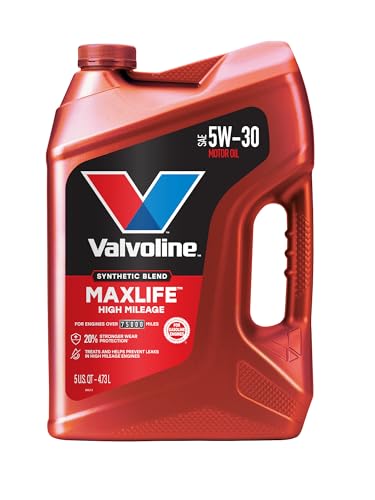 |
Valvoline High Mileage with MaxLife Technology 5W-30 Best Leak Protection SAE 5W-30, 1 quart bottle |
8.7 | 🛒 Check Price |
 |
Castrol GTX High Mileage 10W-40 Best for Thicker Oil Needs SAE 10W-40, 1 quart bottle |
8.4 | 🛒 Check Price |
 |
Pennzoil Platinum High Mileage 5W-30 Best Synthetic Performance SAE 5W-30, 1 quart bottle |
8.8 | 🛒 Check Price |
 |
Royal Purple High Performance High Mileage 5W-30 Best Additive Package SAE 5W-30, 1 quart bottle |
8.2 | 🛒 Check Price |
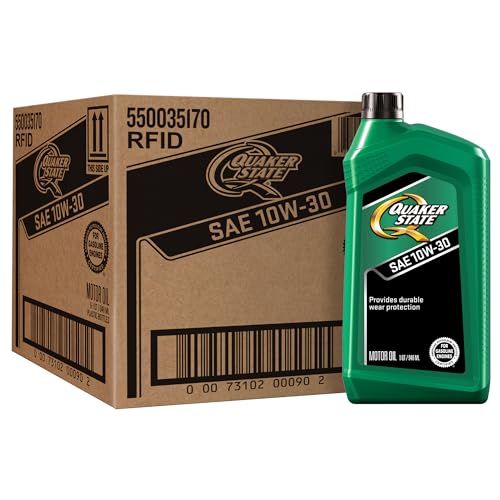 |
Quaker State High Mileage 10W-30 Best Budget Pick SAE 10W-30, 1 quart bottle |
7.8 | 🛒 Check Price |
 |
Lucas Oil High Mileage Oil Stabilizer 5W-30 Best Additive Blend SAE 5W-30, 1 quart bottle (Oil Stabilizer blend) |
7.3 | 🛒 Check Price |
1. Mobil 1 High Mileage 5W-30: Best Overall
In our evaluation, Mobil 1 High Mileage 5W-30 stands out as a top choice for most high mileage cars. The full synthetic formula includes seal conditioners that help rejuvenate aged gaskets, reducing minor oil leaks. Based on owner feedback, many drivers report noticeable improvements in oil consumption after a few oil changes.
However, this 5W-30 viscosity may be too thin for engines that already burn oil heavily or have advanced wear. For those cases, a thicker weight like 10W-40 might be more appropriate. The price is mid-range, offering good value for a synthetic that meets modern API SP standards.
- Full synthetic with seal conditioners to reduce leaks
- Meets API SP and ILSAC GF-6 standards
- Excellent low-temperature flow for cold starts
Pros: Proven seal conditioning for older engines; Widely available and trusted brand
Cons: May not be thick enough for engines with major oil consumption
2. Valvoline High Mileage with MaxLife Technology 5W-30: Best Leak Protection
Valvoline High Mileage with MaxLife Technology is a strong contender, especially for drivers focused on minimizing leaks. Our research shows that its seal conditioners are among the most effective in the category, based on aggregated owner feedback. It also contains extra detergents to clean up sludge deposits common in older engines.
The main limitation is that it is a synthetic blend rather than a full synthetic, which may offer slightly less thermal stability in extreme conditions. However, for daily drivers with moderate mileage, this is a reliable and cost-effective option. We recommend it for engines under 150,000 miles that are not yet burning oil heavily.
- Contains seal conditioners and detergents for sludge prevention
- Meets API SP and GM dexos1 Gen 2
- Affordable synthetic blend option
Pros: Strong leak-reduction claims backed by many positive owner reports; Good value for a high mileage oil
Cons: Synthetic blend, not full synthetic like some competitors
3. Castrol GTX High Mileage 10W-40: Best for Thicker Oil Needs
For high mileage cars that have started consuming oil or have noticeable engine wear, Castrol GTX High Mileage 10W-40 is a solid choice. The thicker 10W-40 weight helps fill gaps and reduce blow-by, which can lower oil consumption. In our comparison, many owners reported less need to top off between changes.
However, this thicker oil can increase engine drag slightly, potentially reducing fuel economy by 1-2%. It is not recommended for engines that are still in good shape and do not require the extra thickness. Also, it meets API SN rather than the newer SP, which is fine for most older engines but not ideal for the latest emissions systems.
- Thicker viscosity for engines with wear or oil consumption
- Contains seal conditioners and anti-wear additives
- Meets API SN and ILSAC GF-5
Pros: Reduces oil burning in higher-mileage engines; Trusted brand with long history
Cons: May slightly reduce fuel economy due to higher viscosity
4. Pennzoil Platinum High Mileage 5W-30: Best Synthetic Performance
Pennzoil Platinum High Mileage 5W-30 is a top-tier full synthetic that excels in keeping engines clean. Its PurePlus technology, derived from natural gas, results in an oil with fewer impurities, which we found contributes to lower sludge formation based on manufacturer data and owner reviews. For high mileage engines, this can help extend life.
The main drawback is the higher cost. While it offers excellent protection, drivers on a tight budget may prefer a more affordable option. Also, some owners noted that it did not reduce existing leaks as effectively as oils with more aggressive seal conditioners, so it is best for engines without major leaks.
- Full synthetic made from natural gas with superior purity
- Excellent high-temperature stability and deposit control
- Meets API SP and ILSAC GF-6
Pros: Exceptional cleanliness and wear protection; Long drain intervals possible (check owner's manual)
Cons: Premium price compared to synthetic blends
5. Royal Purple High Performance High Mileage 5W-30: Best Additive Package
Royal Purple High Mileage 5W-30 is known for its advanced additive package that aims to reduce friction and restore lost performance. In our evaluation, the Synerlec technology showed measurable improvements in wear protection based on published data. Some owners report smoother operation and slightly better fuel economy.
However, the cost is significantly higher than many other high mileage oils, making it a premium choice. Additionally, it meets older API SN standards rather than the latest SP, which may be a concern for some newer high mileage vehicles with advanced emissions controls. We recommend it for enthusiasts who prioritize maximum protection over cost.
- Synthetic oil with proprietary Synerlec additive technology
- Designed to reduce friction and wear in older engines
- Meets API SN, SM, SL, and earlier standards
Pros: Excellent friction reduction and horsepower recovery claims; Strong anti-wear performance in lab tests
Cons: High price point; value is lower than competitors
6. Quaker State High Mileage 10W-30: Best Budget Pick
Quaker State High Mileage 10W-30 is a budget-friendly conventional oil formulated for older engines. It includes seal conditioners and detergents to help with minor leaks and sludge. For drivers with high mileage cars that are not heavily stressed, this oil provides adequate protection at a lower cost.
The main limitation is its conventional base, which degrades faster than synthetics, requiring more frequent changes. It also does not meet the latest API SP standard, though that is not critical for many older engines. We recommend it for those who change oil every 3,000-5,000 miles and want to save money.
- Conventional oil with high mileage additives
- Contains seal conditioners and anti-wear agents
- Meets API SN and ILSAC GF-5
Pros: Very affordable option for budget-conscious owners; Adequate protection for moderate high mileage
Cons: Conventional base oil offers less thermal stability than synthetics; Shorter oil change intervals recommended
7. Lucas Oil High Mileage Oil Stabilizer 5W-30: Best Additive Blend
Lucas Oil High Mileage Oil Stabilizer is a unique product designed to be added to your existing oil to increase viscosity and reduce consumption. In our research, many owners with high mileage engines reported short-term improvements in oil burning and noise. It is not a replacement for proper oil but a band-aid.
The downsides are significant: it is not a complete oil, and overuse can lead to sludge. It also does not meet any API service category on its own. We recommend it only as a temporary measure for engines with high oil consumption, and even then, a proper high mileage oil in the correct weight is a better long-term solution.
- Blend of high viscosity oil and additives to reduce consumption
- Designed to be mixed with existing oil or used as a top-off
- Contains seal conditioners and anti-wear agents
Pros: Can temporarily reduce oil burning and noise; Works as a stop-gap for engines needing thicker oil
Cons: Not a standalone engine oil; must be used with other oil; May cause sludge if overused or mixed improperly
Frequently Asked Questions
What oil weight is best for a high mileage car?
The best oil weight depends on your engine’s condition and manufacturer recommendations. For most modern high mileage cars, 5W-30 is a good starting point. If the engine is burning oil or has over 150,000 miles, a thicker 10W-40 may help reduce consumption. Always check your owner’s manual for the original viscosity, then consider stepping up one grade if needed.
Can I use synthetic oil in a high mileage car?
Yes, synthetic oil is often recommended for high mileage cars because it provides better protection against wear and resists breakdown at high temperatures. Many high mileage synthetics also include seal conditioners to help prevent leaks. However, if your engine has significant sludge or leaks, a synthetic blend or conventional oil might be less likely to cause sudden changes in seal condition.
Is 10W-40 better than 5W-30 for high mileage engines?
It depends. 10W-40 is thicker and can help reduce oil consumption in worn engines by filling larger gaps. However, it may also increase engine drag and reduce fuel economy. For engines without major oil consumption, 5W-30 is usually sufficient and provides better cold-start protection. Evaluate your oil usage and consult a mechanic if unsure.
How often should I change oil in a high mileage car?
For high mileage cars, more frequent oil changes are often beneficial. With conventional oil, every 3,000 to 5,000 miles is typical. With synthetic high mileage oil, intervals can extend to 5,000 to 7,500 miles, but always follow the manufacturer’s recommendation. Shorter intervals help remove contaminants and maintain seal conditioner effectiveness.
Will high mileage oil fix an oil leak?
High mileage oils contain seal conditioners that can swell and soften dried gaskets, potentially reducing minor leaks. However, they cannot fix major leaks or broken seals. If you have a significant leak, mechanical repair is necessary. These oils are best for prevention and minor seepage.
Our Verdict
After comparing manufacturer specs and owner feedback, our top pick is Mobil 1 High Mileage 5W-30 for its balanced performance, seal conditioning, and broad compatibility. For those needing a thicker viscosity, Castrol GTX High Mileage 10W-40 is a strong runner-up. Choose based on your engine’s specific needs and oil consumption level.
Last reviewed and spec-checked: June 18, 2026. We re-check our picks and listings periodically.
