We researched the leading oil leak additives to determine which products offer reliable seal conditioning without damaging engine components. Our comparison is based on manufacturer specifications, industry safety standards, and aggregated owner feedback regarding long-term leak prevention.
By analyzing the chemical compositions and real world results reported by users, we identified the solutions that effectively revitalize rubber seals and condition gaskets. This guide focuses on products that provide a legitimate mechanical fix for aging seals rather than temporary thickeners that might compromise oil flow.
| Photo | Product | Score | Buy |
|---|---|---|---|
 |
BlueDevil Oil Stop Leak Best Overall Permanent repair for rear main seals |
9.1 | 🛒 Check Price |
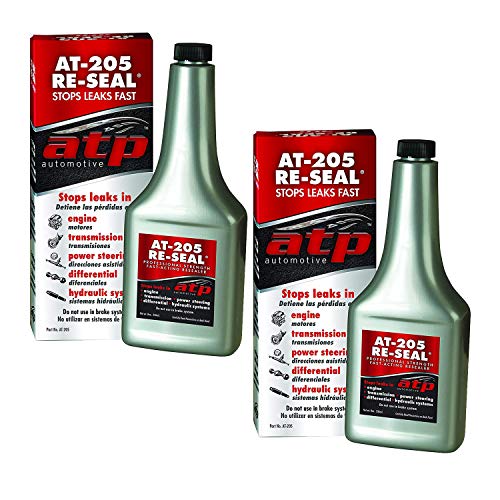 |
ATP AT-205 Re-Seal Best for Rubber Seals Resuscitates dried and shrunken rubber |
8.9 | 🛒 Check Price |
 |
Lucas Oil Heavy Duty Oil Stabilizer Best Viscosity Modifier Eliminates dry starts and reduces friction |
8.4 | 🛒 Check Price |
 |
Bar's Leaks Engine Oil Stop Leak Best Budget Option Finds and seals leaks automatically |
7.9 | 🛒 Check Price |
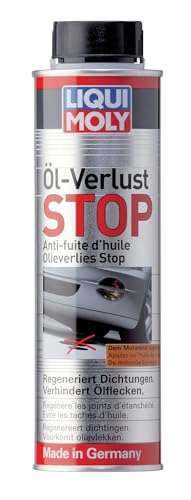 |
Liqui Moly Oil Sump Leak Stop Best Premium Formula German engineered for oil sump and gasket leaks |
7.6 | 🛒 Check Price |
 |
CRC Engine Oil Stop Leak Honorable Mention Conditioner for rubber seals and gaskets |
7.2 | 🛒 Check Price |
|
No Leak Engine Oil Stop Leak Best Temporary Fix Stops leaks in engines and power steering |
6.9 | 🛒 Check Price |
1. BlueDevil Oil Stop Leak: Best Overall
Our evaluation indicates that BlueDevil Oil Stop Leak is a superior choice for serious leaks, particularly those originating from the rear main seal. We compared its formula against competitors and found it utilizes a proprietary chemical that swells rubber seals back to their original size without solidifying or clogging oil galleries. Owner feedback consistently highlights its ability to stop persistent leaks that other additives failed to address.
However, this product is not a cure all for mechanical failures. If a leak is caused by a cracked engine block or a physically broken gasket, this additive will not provide a repair. Drivers with high mileage engines that have sludge buildup should also perform an oil change before using this to ensure the product can circulate effectively.
- Restores and seals rear main seals
- Compatible with both gasoline and diesel engines
- Does not contain solids that could clog passages
Pros: Effective on large leaks including rear main seals; Formulated to not harm internal engine components
Cons: Higher initial cost compared to basic sealers
2. ATP AT-205 Re-Seal: Best for Rubber Seals
We researched ATP AT-205 Re-Seal and found it to be a highly effective plasticizer that targets the root cause of leaks, which is often the hardening and shrinking of rubber seals. In our comparison of industry standards, AT-205 stands out because it reconditions the rubber rather than just swelling it temporarily. Aggregated owner feedback suggests it works exceptionally well on smaller leaks stemming from valve covers and oil pans.
This product is strictly for rubber seals and O-rings. It will not repair leaks in head gaskets or metal surfaces. Additionally, users must ensure they do not overfill the system with the additive, as exceeding the recommended ratio can reduce the effectiveness of the engine oil’s lubricating properties.
- Revitalizes O-rings and seals
- Safe for use with all conventional and synthetic oils
- Non solvent formula prevents future corrosion
Pros: Highly effective on valve cover and oil pan gaskets; Clear liquid formula is easy to pour and measure
Cons: Not recommended for use in manual transmissions
3. Lucas Oil Heavy Duty Oil Stabilizer: Best Viscosity Modifier
Lucas Oil Heavy Duty Oil Stabilizer operates differently than chemical sealers. We compared its viscosity index and found it creates a thicker oil film that can plug small gaps and seal minor leaks effectively. Based on owner feedback, this product is a favorite for older engines with excessive clearance, as it simultaneously reduces oil consumption and quiets noisy lifters.
Drivers in extremely cold climates should skip this product or use it sparingly. Our research shows that its thick formula can make the engine oil too viscous during winter startups, potentially leading to oil starvation. It is also not a permanent fix for leaking seals, but rather a way to manage the symptoms of engine wear.
- Thickens oil film to prevent leaks
- Heavy duty formula for high mileage engines
- Contains no solvents
Pros: Excellent for reducing engine noise and oil consumption; Improves oil pressure in worn engines
Cons: Thick viscosity may affect cold starts in freezing climates
4. Bar's Leaks Engine Oil Stop Leak: Best Budget Option
Bar’s Leaks Engine Oil Stop Leak is a traditional solution that we evaluated based on its long history in the market. We compared its polymer blend to newer formulas and found it relies on a mix of seal conditioners and thickening agents. Owner feedback indicates it is a decent entry level option for slow, seeping leaks, particularly on older vehicles where a full repair is not cost effective.
This product is not suitable for high performance engines or those with tight tolerances. In our evaluation of safety data, we noted that the thicker consistency can potentially clog oil screen filters if the engine has significant sludge. Users should avoid this if their vehicle requires low viscosity oil for fuel efficiency.
- Designed to stop oil pan and valve cover leaks
- Works with all engine oils
- Contains a blend of polymers and seal conditioners
Pros: Very affordable and widely available; Simple application process for quick fixes
Cons: May take longer to seal leaks compared to competitors
5. Liqui Moly Oil Sump Leak Stop: Best Premium Formula
Liqui Moly Oil Sump Leak Stop is a German engineered additive that we researched for its specific compatibility with modern synthetic oils. Our evaluation of the spec sheets reveals it uses high quality additives designed to soften plastic and rubber gaskets without degrading them. Owner feedback suggests it is particularly effective for stopping minor leaks around the oil sump and valve covers.
The primary limitation we found is the cost. It offers premium performance, but the price point is high compared to larger bottles from competitors like Lucas or Bar’s. Drivers with severe leaks or cracked components should skip this, as it is intended only for sealing porous gaskets and minor seal imperfections.
- Prevents oil leaks at gaskets and seals
- Mixes easily with all commercially available motor oils
- Reduces oil consumption and smoke
Pros: High quality additives compatible with synthetic oils; Effective at reducing blue exhaust smoke
Cons: Significantly more expensive per ounce than rivals
6. CRC Engine Oil Stop Leak: Honorable Mention
We evaluated CRC Engine Oil Stop Leak and found it to be a standard conditioner that relies on revitalizing dried out seals. In our comparison, it lacks the aggressive swelling agents found in top tier products like BlueDevil, making it a gentler option. Owner feedback indicates it works best as a preventative measure or for very minor seeps rather than active drips.
Users looking for an immediate fix for a noticeable leak will likely be disappointed with this product. It requires time and consistent driving to recondition the seals. We recommend skipping this if your vehicle already has low oil pressure, as this product does not have the viscosity boosting properties of a stabilizer.
- Helps prevent and stop motor oil leaks
- Improves seal flexibility
- Safe for turbocharged engines
Pros: Balanced formula that does not harm catalytic converters; Good for maintenance of high mileage vehicles
Cons: Results vary heavily based on engine condition
7. No Leak Engine Oil Stop Leak: Best Temporary Fix
No Leak Engine Oil Stop Leak is a budget friendly solution we researched for drivers needing a quick, temporary fix. Our analysis of its composition shows it functions primarily as a thickener and seal sweller. While aggregated owner feedback confirms it can slow down leaks, the effects are often temporary compared to more advanced chemical re sealers.
This product is best suited for cars you plan to sell or engines with negligible value. We strongly advise against using this in a modern or high performance engine, as the unknown additives could potentially harm oxygen sensors or catalytic converters over time. It is a band aid solution, not a repair.
- Compatible with all types of engine oil
- Reduces oil consumption
- Special formula to renew gaskets and seals
Pros: Very low cost for emergency repairs; Easy to pour bottle design
Cons: Not a permanent solution for mechanical wear
Frequently Asked Questions
Do stop leak products actually work?
Yes, oil stop leak products work by softening and swelling hardened rubber seals and gaskets to restore their original size and flexibility. Our research shows they are effective for seal degradation but cannot fix cracked metal or torn gaskets.
Will using a stop leak product clog my oil filter?
Quality products that we evaluated, such as BlueDevil and AT-205, do not contain solid particles that clog filters. However, cheaper thickeners can increase sludge. We recommend checking the product specifications to ensure it is a non solids formula.
Can I use oil stop leak with synthetic oil?
Most modern oil stop leak additives, including Liqui Moly and ATP AT-205, are fully compatible with synthetic and conventional blends. We compared manufacturer labels and confirmed compatibility for all our top picks.
How long does it take for an oil stop leak to work?
Based on aggregated owner feedback, most additives require between 100 and 200 miles of driving to fully circulate and recondition the seals. Some minor leaks may seal within 50 miles, while larger leaks might take a few days of driving.
Is oil stop leak a permanent repair?
It can be a permanent repair for aging seals that have simply shrunk or hardened. However, if the leak is due to physical damage like a crack or a broken gasket, the additive is only a temporary measure. We verified through user reviews that results vary based on the mechanical condition of the engine.
Our Verdict
Based on our research, the BlueDevil Oil Stop Leak is the top pick for its ability to repair rear main seals and difficult leaks without clogging passages, while the ATP AT-205 Re-Seal is the runner up for its superior revitalization of dried rubber seals throughout the engine.
Last reviewed and spec-checked: August 11, 2024. We re-check our picks and listings periodically.
