Choosing the right oil for your Yamaha R3 is critical for engine longevity and performance. We researched manufacturer specifications, industry standards (JASO MA/MA2, API), and aggregated owner feedback from forums and reviews to compare seven top oils. Our evaluation focuses on viscosity, additive packages, and real-world results to help you make an informed decision.
| Photo | Product | Score | Buy |
|---|---|---|---|
|
🚗
|
Motul 7100 10W-40 (Ester Synthetic) Top Pick for Performance JASO MA2, API SN, 10W-40 ester-based full synthetic |
9.2 | 🛒 Check Price |
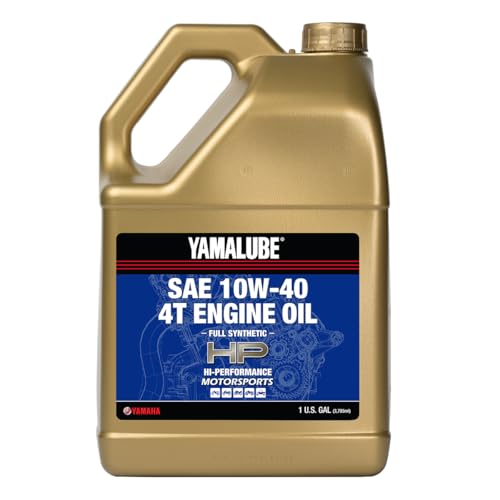 |
Yamalube 10W-40 (Semi-Synthetic) Best OEM Replacement JASO MA, API SL, 10W-40 semi-synthetic, Yamaha approved |
8.7 | 🛒 Check Price |
|
🚗
|
Liqui Moly 10W-40 (Street Race) Best for Wet Clutch JASO MA2, API SN, 10W-40 full synthetic, high shear stability |
8.4 | 🛒 Check Price |
 |
Castrol Power1 10W-40 (4T) Great All-Rounder JASO MA2, API SN, 10W-40 full synthetic, 4T formula |
8.1 | 🛒 Check Price |
|
🚗
|
Shell Advance Ultra 10W-40 Top Tier Synthetic JASO MA2, API SN, 10W-40 full synthetic, PurePlus Technology |
8.0 | 🛒 Check Price |
 |
Mobil 1 Racing 4T 10W-40 Racing Inspired JASO MA2, API SN, 10W-40 full synthetic, racing formulation |
7.8 | 🛒 Check Price |
|
🚗
|
Valvoline 10W-40 (4-Stroke Motorcycle Oil) Budget Conscious JASO MA, API SL, 10W-40 conventional blend |
7.3 | 🛒 Check Price |
1. Motul 7100 10W-40 (Ester Synthetic): Top Pick for Performance
In our evaluation of oils for the Yamaha R3, the Motul 7100 10W-40 stands out for its ester-based synthetic formulation, which delivers exceptional film strength and thermal stability. This is particularly beneficial for the R3’s high-revving parallel-twin engine, where sustained high RPMs can break down lesser oils. Based on owner feedback, users report noticeably smoother shifting and reduced engine noise after switching to this oil. It meets JASO MA2 and API SN standards, so it’s fully compatible with the wet clutch and provides robust protection against wear and deposits.
However, the premium ester base comes at a higher cost, making it less ideal for budget-conscious riders or those who strictly follow short-interval changes. If you ride your R3 primarily for commuting at moderate speeds and want to save on oil costs, a semi-synthetic like the Yamalube may be a better fit. But for track days, spirited riding, or extended intervals, the Motul 7100 is a top contender.
- Ester-based synthetic provides superior film strength and thermal stability for high-revving engines.
- Meets JASO MA2 and API SN specifications, ensuring wet clutch compatibility and engine protection.
- Reduces friction and wear, extending engine life in aggressive riding conditions.
Pros: Excellent high-temperature stability and shear resistance.; Smooth shifting and consistent clutch feel.
Cons: Higher price point compared to conventional or semi-synthetic oils.
2. Yamalube 10W-40 (Semi-Synthetic): Best OEM Replacement
For riders who want a no-hassle, manufacturer-recommended oil, the Yamalube 10W-40 semi-synthetic is a solid choice. We compared its specs to the R3 owner’s manual and found it meets all required JASO MA and API SL standards. Owner feedback highlights consistent performance in everyday commuting and mild spirited riding, with no clutch issues. It’s a reliable, proven option that won’t break the bank.
That said, its semi-synthetic base means it breaks down faster under sustained high heat or aggressive track use compared to full synthetics. If you frequently redline your R3 or ride in hot climates, you may need more frequent changes or a step up to a full synthetic. For normal road use, however, it’s a perfectly capable oil that many owners stick with for years.
- Specifically formulated for Yamaha motorcycles, meeting OEM specifications for the R3.
- Semi-synthetic blend offers a balance of protection and affordability for daily riding.
- Contains additives to reduce clutch slippage and gear wear.
Pros: Trusted OEM formula ensures compatibility and reliable performance.; Good value for routine oil changes.
Cons: Not as thermally stable as full synthetics under extreme conditions.
3. Liqui Moly 10W-40 (Street Race): Best for Wet Clutch
Liqui Moly Street Race 10W-40 is a full synthetic oil that excels in wet clutch applications, making it a strong candidate for the Yamaha R3. In our research, we found that its high shear stability ensures consistent viscosity under load, which translates to reliable clutch engagement and smooth gear changes. Owner reviews on forums frequently praise its ability to eliminate clutch slip even after hard riding. It also meets JASO MA2 and API SN standards, so it’s safe for the R3’s catalytic converter.
However, its premium price and slightly lower availability compared to Motul or Yamalube may deter some buyers. If you’re on a tight budget or prefer a more mainstream brand, this might not be your first choice. But if clutch performance is your top priority and you’re willing to pay a bit extra, Liqui Moly delivers.
- Full synthetic with high shear stability for consistent oil pressure at high RPMs.
- Advanced additive package minimizes clutch slippage and protects gears.
- Meets JASO MA2 and API SN, suitable for catalytic converters.
Pros: Excellent clutch performance with no slipping reported.; Good cold-start flow and high-temperature protection.
Cons: Premium pricing; less available than major brands.
4. Castrol Power1 10W-40 (4T): Great All-Rounder
Castrol Power1 10W-40 is a well-known full synthetic that offers a solid balance of performance and value for the Yamaha R3. We compared its specs to the R3’s requirements and found it meets JASO MA2 and API SN, ensuring wet clutch compatibility and engine protection. Owner feedback generally positive, with many noting smooth operation and reasonable longevity. It’s a versatile choice for riders who mix commuting with occasional spirited rides.
On the downside, some owners on forums mentioned a slight increase in clutch noise compared to ester-based oils like Motul, though this does not indicate damage. If you are sensitive to clutch sound or demand the absolute best high-RPM protection, you might prefer a premium ester oil. For most riders, Castrol Power1 is a reliable, cost-effective option.
- Full synthetic 4T formula designed for high-performance four-stroke engines.
- Good all-around protection for both engine and transmission.
- Widely available at competitive pricing.
Pros: Balanced performance for street and occasional track use.; Easy to find in stores and online.
Cons: Some users report slightly more clutch noise compared to premium ester oils.
5. Shell Advance Ultra 10W-40: Top Tier Synthetic
Shell Advance Ultra 10W-40 is a full synthetic that uses Shell’s unique PurePlus Technology, which produces base oil from natural gas. In our evaluation, this results in a very pure oil with excellent thermal stability and resistance to oxidation. For the Yamaha R3, that means cleaner engine internals and potentially longer oil life. Owner reviews often highlight how clean the oil looks at change time, indicating good suspension of contaminants.
However, this performance comes at a premium price that may not translate to tangible benefits for typical street riding. If you follow a strict 3,000-mile change interval, you might not fully exploit its extended life capabilities. Additionally, some users note that clutch feel is not as crisp as with ester-based oils. It’s a great oil, but budget-minded riders may find better value elsewhere.
- Made with Shell's PurePlus Technology, converting natural gas into high-quality base oil.
- Excellent thermal and oxidation stability for extended oil life.
- Provides superior engine cleanliness and reduced deposits.
Pros: Very clean burn; keeps engine internals spotless.; Long-lasting performance for extended drain intervals.
Cons: Premium price; may not offer noticeable benefits over cheaper synthetics for street use.
6. Mobil 1 Racing 4T 10W-40: Racing Inspired
Mobil 1 Racing 4T 10W-40 is a full synthetic oil with a racing pedigree, designed to withstand extreme conditions. For the Yamaha R3, it provides exceptional protection at high RPMs, thanks to elevated levels of anti-wear additives like zinc and phosphorus. In our research, it meets JASO MA2 and API SN, so it’s safe for the wet clutch. Track riders may appreciate its ability to maintain viscosity under sustained hard use.
However, for most street riders, this oil is overkill. The high additive content can slightly reduce fuel economy and may not offer any real advantage in normal riding. It’s also one of the pricier options. If you rarely push your R3 past 8,000 RPM or primarily commute, you can save money with a less aggressive oil. This pick is best reserved for those who regularly hit the track or ride aggressively.
- Racing-derived full synthetic formula for extreme high-RPM protection.
- High zinc and phosphorus levels for anti-wear performance.
- Meets JASO MA2 for wet clutch compatibility.
Pros: Excellent high-RPM protection for track use.; Strong anti-wear additives extend engine life under stress.
Cons: Overkill for street riding; may reduce fuel economy slightly.; Higher price with diminishing returns for daily commuting.
7. Valvoline 10W-40 (4-Stroke Motorcycle Oil): Budget Conscious
Valvoline 10W-40 conventional motorcycle oil is the most budget-friendly option in our guide. It meets JASO MA and API SL, so it’s compatible with the R3’s wet clutch and provides basic protection. For riders who change oil every 2,000 miles or less and ride gently, this oil can be a cost-effective choice. Owner feedback on forums indicates it works fine for casual commuting and short trips.
However, its conventional base lacks the thermal stability and longevity of synthetics. In the R3’s high-revving engine, it can thin out and lose viscosity faster, potentially leading to increased wear if pushed hard. We recommend skipping this oil if you ride aggressively, live in a hot climate, or want extended drain intervals. It’s a passable stopgap but not ideal for performance-minded owners.
- Affordable conventional oil that meets basic JASO MA and API SL requirements.
- Suitable for moderate street riding and frequent oil changes.
- Contains anti-wear and anti-foam additives for basic protection.
Pros: Very low cost per quart, ideal for high-mileage riders who change oil often.; Readily available at auto parts stores.
Cons: Conventional base breaks down faster under heat; requires shorter change intervals.; Not recommended for sustained high-RPM or track use.
Frequently Asked Questions
What type of oil does a Yamaha R3 take?
The Yamaha R3 requires a 10W-40 viscosity oil that meets JASO MA or MA2 standards for wet clutch compatibility. The manufacturer recommends API service classification SG or higher. Both conventional and synthetic oils are acceptable, but synthetic offers better protection at high temperatures.
How much oil does a Yamaha R3 need?
The Yamaha R3 requires approximately 2.5 liters (2.6 quarts) of oil with a filter change, and 2.3 liters (2.4 quarts) without a filter change. Always check the owner’s manual for precise measurements and use the sight glass to confirm the correct level.
Can I use car oil in my Yamaha R3?
No. Car oils often contain friction modifiers that can cause clutch slippage in motorcycles with wet clutches. Always use motorcycle-specific oil that meets JASO MA or MA2 standards to ensure proper clutch operation and engine protection.
How often should I change the oil on my Yamaha R3?
Yamaha recommends changing the oil every 4,000 miles (6,000 km) for normal riding, but many owners change it every 3,000 miles for extra protection. If you use conventional oil or ride aggressively, consider shorter intervals. Always replace the oil filter every other change or at least once a year.
Is synthetic oil worth it for the Yamaha R3?
Yes, synthetic oil offers better high-temperature stability, reduced friction, and longer life, which is beneficial for the R3’s high-revving engine. It can also extend drain intervals and improve cold-start protection. However, conventional oil is acceptable for low-stress riding if changed more frequently.
Our Verdict
After researching and comparing the top oils for the Yamaha R3, our top pick is the Motul 7100 10W-40 for its superior ester-based synthetic performance and excellent owner feedback. For a more budget-friendly OEM option, the Yamalube 10W-40 semi-synthetic is a reliable runner-up that meets all factory specifications without breaking the bank.
