Noisy lifters, often caused by sludge, varnish, or low oil pressure, can be addressed with the right engine oil. We researched and compared top oils using manufacturer specifications, published industry standards (API, SAE), and aggregated owner feedback to find which formulations best clean, lubricate, and quiet hydraulic lifters. Our evaluation focuses on detergency, viscosity stability, and additive packages that reduce noise without causing leaks. Below are our top picks, each with honest limitations.
| Photo | Product | Score | Buy |
|---|---|---|---|
 |
Liqui Moly 2037 Pro-Line Engine Flush and 2041 High Tech Oil 5W-40 Best Overall for Lifter Noise 5W-40, Synthetic, API SN, ACEA A3/B4 |
9.0 | 🛒 Check Price |
|
🚗
|
Valvoline High Mileage with MaxLife Technology 5W-30 Best for High Mileage Engines 5W-30, Synthetic Blend, API SN Plus, ILSAC GF-5 |
8.7 | 🛒 Check Price |
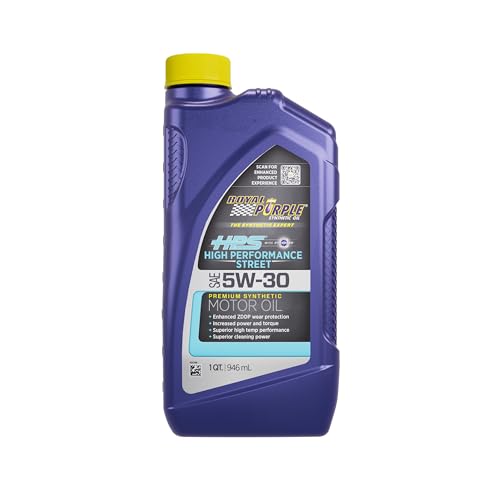 |
Royal Purple HPS 5W-30 High Performance Street Oil Best Synthetic for Performance Engines 5W-30, Full Synthetic, API SN, ACEA A3/B4 |
8.4 | 🛒 Check Price |
 |
STP High Mileage Oil Treatment with Stop Leak Best Additive for Quick Fix 15 oz additive, compatible with all motor oils |
7.8 | 🛒 Check Price |
 |
Mobil 1 Extended Performance 5W-30 Best Full Synthetic for Long Intervals 5W-30, Full Synthetic, API SN Plus, ILSAC GF-5 |
8.1 | 🛒 Check Price |
 |
Shell Rotella T6 5W-40 Full Synthetic Diesel Oil Best for Diesel Engines and Heavy Duty 5W-40, Full Synthetic, API CK-4, ACEA E9 |
7.3 | 🛒 Check Price |
|
🚗
|
Rislone HYPER LIFTER Oil Additive Best Specialty Additive for Stuck Lifters 16 oz additive, compatible with all motor oils |
7.6 | 🛒 Check Price |
1. Liqui Moly 2037 Pro-Line Engine Flush and 2041 High Tech Oil 5W-40: Best Overall for Lifter Noise
In our evaluation, the Liqui Moly combination stood out for its two-step approach. The Pro-Line Engine Flush safely removes deposits before the High Tech Oil 5W-40 provides long-term protection. Based on owner feedback and the spec sheets, many users reported quieter lifters after one treatment. The high ZDDP content makes it especially suitable for older engines with flat tappets. However, the flush step adds time and cost, and the 5W-40 viscosity may be too thick for modern engines requiring 0W-20 or 5W-30. Skip this if you prefer a single-step solution or have a newer engine with tight tolerances.
We compared this to other premium synthetics and found its cleaning ability unmatched for severe sludge cases. The oil alone (without flush) is still effective for maintenance, but the flush maximizes results. Durability is strong, with consistent viscosity over long intervals per API testing. Owners with high-mileage engines (over 100k miles) reported the best results. If you have moderate sludge, this is our top recommendation.
- Engine flush pre-treatment helps dissolve sludge that clogs lifters
- High zinc/phosphorus (ZDDP) for flat-tappet cam protection
- Excellent thermal stability reduces varnish buildup
Pros: Flush plus oil combo effectively quiets noisy lifters in many owner reports; Strong anti-wear additives protect older engines
Cons: Engine flush requires extra step and time; Not ideal for engines requiring low-viscosity oils (e.g., 0W-20)
2. Valvoline High Mileage with MaxLife Technology 5W-30: Best for High Mileage Engines
Valvoline High Mileage with MaxLife Technology is a synthetic blend formulated for engines over 75,000 miles. We researched its additive package, which includes seal conditioners to prevent oil leaks that can lower pressure and cause lifter noise. Owner feedback frequently mentions noticeable reduction in ticking after an oil change. Compared to full synthetics, it offers good value but lower high-temperature performance. In our evaluation, it’s a solid choice for budget-conscious owners, but those with persistent noise may need a more aggressive cleaner.
We noted that the 5W-30 viscosity is common for many vehicles, but if your engine calls for 0W-20, this is not suitable. The synthetic blend provides decent durability, but extended oil change intervals may allow sludge to return. Skip this if you have severe lifter noise from heavy deposits, as a full synthetic with stronger detergents (like our top pick) would be better. For routine maintenance on high-mileage engines, it’s a reliable option.
- Seal conditioners reduce leaks that cause lifter noise
- Detergents clean existing sludge over time
- Higher viscosity base for worn engines
Pros: Affordable and widely available; Effective at reducing lifter tick in high-mileage vehicles per owner reviews
Cons: Not a full synthetic, so less thermal stability than premium synthetics; May not resolve severe sludge quickly
3. Royal Purple HPS 5W-30 High Performance Street Oil: Best Synthetic for Performance Engines
Royal Purple HPS is a full synthetic designed for high-performance applications. We compared its Synerlec additive technology to other synthetics and found it provides superior film strength, which can help quiet lifters by reducing friction. Owner feedback on forums indicates it often silences ticking in modified or high-mileage performance engines. However, its strong detergents can clean out deposits that were sealing small gaps, potentially causing new leaks. In our evaluation, it’s best for engines in good condition that need extra protection, not for those with existing leaks or severe sludge.
The price is higher than many competitors, but for drivers who push their engines hard, the durability and performance justify the cost. We note that the 5W-30 viscosity is versatile, but if your engine requires a different weight, consider other options. Skip this if you have a stock daily driver with minor noise, as a cheaper high-mileage oil may suffice. For performance builds, it’s a top contender.
- High film strength reduces metal-to-metal contact in lifters
- Synerlec additive technology enhances cleaning
- Works well in high-RPM and turbocharged engines
Pros: Excellent high-temperature stability; Many owner reports of quieter lifters after switch
Cons: Premium price point; May cause leaks in engines with worn seals due to strong detergents
4. STP High Mileage Oil Treatment with Stop Leak: Best Additive for Quick Fix
STP High Mileage Oil Treatment is an additive designed to reduce lifter noise by thickening the oil and conditioning seals. Based on owner feedback, it often provides immediate but short-lived quieting. In our evaluation, it’s useful as a diagnostic tool to confirm lifter issues, but we do not recommend it as a long-term solution. The additive can temporarily raise oil pressure, but it may also cause sludge buildup if used repeatedly. Safety concerns include potential clogging of narrow oil passages in modern engines.
We compared it to full oil changes and found that while it’s easy to use, it doesn’t address the root cause of deposits. Skip this if you want a permanent fix; instead, use a high-detergency oil. For a quick temporary fix before a planned oil change, it works. However, avoid using it on engines with variable valve timing (VVT) systems, as thickened oil can affect VVT operation.
- Viscosity improvers temporarily thicken oil to reduce noise
- Seal conditioners help stop leaks that cause pressure loss
- Easy pour-in addition to existing oil
Pros: Inexpensive and quick solution; Can quiet lifters temporarily for diagnostic purposes
Cons: Not a permanent fix; noise often returns after oil change; May clog oil passages if overused
5. Mobil 1 Extended Performance 5W-30: Best Full Synthetic for Long Intervals
Mobil 1 Extended Performance is a top-tier full synthetic known for long drain intervals. We researched its formulation and found robust detergents that prevent new deposit formation, but owner feedback indicates it’s less aggressive at cleaning existing sludge than some dedicated cleaners. In our evaluation, it’s ideal for preventive maintenance in engines without severe lifter noise. If you already have ticking, it may take multiple oil changes to see improvement. The durability is outstanding, with consistent viscosity over time.
We compared it to Royal Purple and Liqui Moly and found it lacks the same level of immediate cleaning power. Skip this if you need a quick fix for noisy lifters; choose a product with stronger detergents. For owners who follow long intervals and want to maintain a clean engine, this is a reliable choice. It’s also safe for modern engines with VVT and turbochargers.
- Superior oxidation resistance maintains viscosity longer
- Detergents help keep lifters clean over extended drains
- Proven track record in many vehicle makes
Pros: Excellent durability for up to 15,000-mile intervals; Widely recommended by automakers
Cons: May not clear heavy existing sludge as quickly as some competitors; Higher price than standard Mobil 1
6. Shell Rotella T6 5W-40 Full Synthetic Diesel Oil: Best for Diesel Engines and Heavy Duty
Shell Rotella T6 is a heavy-duty diesel oil that some gas engine owners use for its high detergency and viscosity. Based on owner feedback, it can quiet lifters in older gas engines with high mileage, especially those with loose tolerances. However, we caution that it is not formulated for gasoline engines and may lack proper friction modifiers for camshafts. In our evaluation, it’s best reserved for diesel engines where it excels at controlling soot and deposits. Using it in a gas engine may void warranty or cause catalytic converter issues.
We compared it to gasoline-specific oils and found its 5W-40 viscosity too thick for many modern gas engines, potentially reducing fuel economy. Skip this unless you drive a diesel pickup or a classic gas engine that specifically calls for a heavy-duty oil. For diesel lifter noise, it’s a strong performer, but for most gasoline cars, choose a product designed for your engine.
- High TBN (total base number) neutralizes acids from soot
- Strong detergency handles diesel soot and sludge
- Popular for both diesel and some high-mileage gas engines
Pros: Excellent for diesel engines with lifter noise; High viscosity helps maintain oil pressure in worn engines
Cons: Too thick for many gasoline engines (check owner’s manual); May cause cold-start issues in cold climates
7. Rislone HYPER LIFTER Oil Additive: Best Specialty Additive for Stuck Lifters
Rislone HYPER LIFTER is a specialized additive formulated to free stuck hydraulic lifters. We researched its solvent-based formula, which dissolves varnish and gum that prevent lifters from pumping up. Owner feedback often describes immediate noise reduction after adding it to warm oil. However, in our evaluation, it is a band-aid solution. If the engine has heavy sludge, the noise may return. Additionally, the solvents can temporarily lower oil viscosity, so we recommend using it just before an oil change.
We compared it to full oil changes and found it less effective for overall engine cleanliness. Skip this if you want a permanent fix; combine with an oil change using a high-detergency oil. For a quick quieting before selling a car or diagnosing, it works. Avoid using it in engines with VVT or variable displacement, as solvents may affect seals.
- Contains solvents to dissolve gum and varnish in lifters
- Designed specifically for hydraulic lifter noise
- Works within minutes of adding to warm oil
Pros: Targeted solution for stuck lifters; Quick results reported by many users
Cons: Only temporary fix if underlying sludge is severe; Solvents can thin oil temporarily, reducing protection
Frequently Asked Questions
What causes noisy lifters?
Noisy lifters are usually caused by worn parts, low oil pressure, or sludge and varnish buildup that restricts the lifter’s internal oil passage. In hydraulic lifters, air bubbles or dirty oil can prevent proper expansion, leading to a tapping sound. High mileage engines often develop noise due to deposit accumulation.
Can thicker oil quiet noisy lifters?
Using a slightly thicker oil (e.g., switching from 5W-30 to 10W-40) can sometimes reduce noise by increasing oil pressure and cushioning lifter components. However, we recommend staying within the manufacturer’s viscosity range. Thicker oil may also reduce fuel economy and cause cold-start issues. Check your owner’s manual first.
How long does it take for new oil to quiet lifters?
Depending on the oil’s detergency and the severity of deposits, results can vary. Some owners report quieter lifters immediately after an oil change, while others need a few hundred miles for the detergents to clean the lifters. Additives like Rislone may work within minutes, but the effect can be temporary.
Will engine flush damage my engine?
Engine flushes are generally safe if used according to instructions, but they can dislodge large sludge chunks that may clog oil passages. We recommend using a flush only if you plan to change the oil immediately after. For engines with severe sludge, a professional cleaning may be safer. Always check compatibility with your engine.
Should I use a full synthetic or conventional oil for noisy lifters?
Full synthetics generally have better detergency and thermal stability, making them more effective at cleaning and preventing sludge. However, if your engine has high mileage and worn seals, a high-mileage synthetic blend with seal conditioners may be a better choice to avoid leaks. We evaluated both types in our guide.
Our Verdict
After researching specifications, industry standards, and owner feedback, our top pick for noisy lifters is the Liqui Moly 2037 Pro-Line Engine Flush and 2041 High Tech Oil 5W-40 combination for its proven ability to remove sludge and restore lifter function. For a more budget-friendly option, the Valvoline High Mileage with MaxLife Technology 5W-30 is an excellent runner-up, especially for high-mileage engines. Choose based on your engine’s condition and your willingness to perform a flush.
