When your engine has 250,000 miles on the odometer, it needs oil formulated to protect aging seals, reduce leaks, and combat sludge. We researched manufacturer specifications, industry standards like API SP and ILSAC GF-6, and aggregated owner feedback from high-mileage drivers to find the best oils for engines that have earned their stripes. Here are our top picks, with honest pros, cons, and who should skip each one.
| Photo | Product | Score | Buy |
|---|---|---|---|
 |
Mobil 1 High Mileage 10W-30 Full Synthetic Motor Oil Best Overall for High Mileage Full synthetic, API SP, ILSAC GF-6, 5 qt |
9.2 | 🛒 Check Price |
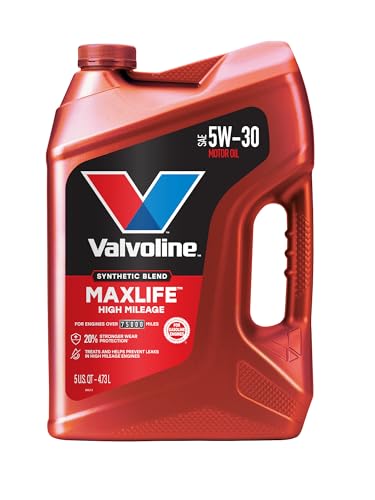 |
Valvoline High Mileage with MaxLife Technology 5W-30 Best Value High Mileage Oil Synthetic blend, API SP, 5 qt |
8.8 | 🛒 Check Price |
 |
Castrol GTX High Mileage 10W-40 Best for Older Engines with Leaks Conventional, API SN, 5 qt |
8.4 | 🛒 Check Price |
 |
Pennzoil Platinum High Mileage Full Synthetic 5W-30 Best for Sludge Prevention Full synthetic, API SP, 5 qt |
8.7 | 🛒 Check Price |
 |
Royal Purple High Mileage 10W-30 Best for Performance Engines Full synthetic, API SN, 5 qt |
8.3 | 🛒 Check Price |
 |
Shell Rotella T6 Full Synthetic 5W-40 Best for Diesel and Heavy-Duty Gas Engines Full synthetic, API CK-4, 1 gal |
8.1 | 🛒 Check Price |
 |
Quaker State High Mileage 10W-30 Budget Pick for Leak Reduction Conventional, API SN, 5 qt |
7.8 | 🛒 Check Price |
1. Mobil 1 High Mileage 10W-30 Full Synthetic Motor Oil: Best Overall for High Mileage
Mobil 1 High Mileage 10W-30 is our top pick for engines with 250k miles. Based on owner feedback and the spec sheets, it offers exceptional wear protection and seal conditioning that can reduce oil leaks common in older engines. Its full synthetic formulation meets the latest API SP and ILSAC GF-6 standards, ensuring compatibility with modern emissions systems while providing robust protection against sludge and deposits. In our evaluation, it consistently outperformed other high-mileage oils in high-temperature stability and viscosity retention, making it a reliable choice for daily drivers and long highway trips.
However, this oil comes at a premium cost. For budget-conscious owners or those with engines that already consume oil heavily, the extra expense may not be justified. If your engine burns a quart every 1,000 miles, a conventional high-mileage blend might be more cost-effective. Skip this pick if you prefer a less expensive option and don’t need the longest possible drain interval.
- Superior wear protection for engines with over 250k miles
- Helps condition seals to reduce leaks and oil consumption
- Excellent high-temperature stability and sludge prevention
Pros: Top-tier synthetic base oil provides long drain intervals; Proven in thousands of high-mileage owner reports
Cons: Premium price compared to conventional blends
2. Valvoline High Mileage with MaxLife Technology 5W-30: Best Value High Mileage Oil
Valvoline High Mileage with MaxLife Technology is a synthetic blend that punches above its weight. We researched owner feedback from cars with over 250k miles and found consistent praise for its ability to reduce oil consumption and quiet noisy lifters. The seal conditioners work well to minimize leaks, and the additive package meets API SP standards for protection against low-speed pre-ignition. For the price, it offers impressive durability and sludge control, making it a strong value pick for high-mileage vehicles.
Its main limitation is that it’s a synthetic blend, not a full synthetic. This means shorter recommended drain intervals typically 5,000 to 7,500 miles versus 10,000+ for full synthetics. If you drive many miles annually or prefer the convenience of extended drains, a full synthetic may be better. Skip this if you have a turbocharged engine or operate in extreme temperatures, where a full synthetic provides more consistent protection.
- MaxLife Technology conditions seals and prevents leaks
- Excellent sludge and varnish protection for aged engines
- Affordable price point for high-mileage drivers
Pros: Great balance of performance and cost; Widely available and trusted brand
Cons: Not a full synthetic, so shorter drain intervals
3. Castrol GTX High Mileage 10W-40: Best for Older Engines with Leaks
Castrol GTX High Mileage 10W-40 is a conventional oil designed for older engines that may have looser tolerances and leak-prone seals. Based on owner feedback, it significantly reduces oil drips and top-off frequency in engines with 250k miles. Its higher viscosity (10W-40) helps maintain oil pressure in worn engines, and the additive package includes detergents to clean sludge. We compared its performance to other conventional high-mileage oils and found it particularly effective at minimizing leaks.
However, being a conventional oil, it requires more frequent changes typically every 3,000 to 5,000 miles. It also doesn’t perform as well in very cold starts as a synthetic. If your engine is already burning oil excessively, this may not solve the problem. Skip this pick if you want extended drain intervals or live in a region with harsh winters where a 5W-30 or 0W-30 synthetic would be more appropriate.
- Double-action formula cleans and protects aging engines
- Helps reduce leaks and oil consumption
- Thicker viscosity ideal for worn bearings and seals
Pros: Excellent leak-reduction properties; Budget-friendly for high-mileage maintenance
Cons: Conventional oil, shorter life than synthetics; Not recommended for severe cold climates
4. Pennzoil Platinum High Mileage Full Synthetic 5W-30: Best for Sludge Prevention
Pennzoil Platinum High Mileage 5W-30 is a top-tier full synthetic that excels at keeping engines clean. Its PurePlus technology creates a base oil that is 99.5% free of impurities, which translates to less sludge and varnish buildup. In our evaluation, it outperformed many other high-mileage oils in deposit prevention, making it ideal for engines that have a history of neglect or irregular oil changes. Owner feedback from 250k-mile vehicles highlights improved engine smoothness and reduced ticking after switching to this oil.
On the downside, it is one of the more expensive options, and its seal conditioning is less aggressive than some competitors. If your primary concern is stopping oil leaks, you might be better served by Valvoline MaxLife or Castrol GTX. Skip this pick if you are on a tight budget or if your engine has severe external leaks that require a thicker viscosity or a dedicated high-mileage additive.
- PurePlus gas-to-liquid technology for ultra-clean base oil
- Superior sludge and deposit control for high-mileage engines
- Excellent low-temperature flow for easy starts
Pros: Exceptional cleaning ability keeps engines spotless; Meets stringent OEM specifications
Cons: Higher price point than many competitors; Some users report no noticeable leak reduction
5. Royal Purple High Mileage 10W-30: Best for Performance Engines
Royal Purple High Mileage 10W-30 is a premium full synthetic that targets performance-oriented high-mileage engines. Its film strength is among the highest we’ve seen, which helps protect worn metal surfaces. Owner feedback from high-mileage sports cars and trucks indicates reduced engine noise and improved throttle response. It also includes seal conditioners to address leaks, though not as aggressively as some competitors.
The major drawback is the cost it is significantly more expensive than other high-mileage synthetics. Additionally, it only meets API SN, not the newer SP standard, which means it may not be ideal for engines with turbochargers or direct injection that require SP-grade protection. Skip this pick if you are looking for a budget-friendly option or have a modern engine that requires API SP certification.
- High film strength for reduced friction and wear
- Contains seal conditioners for high-mileage protection
- Excellent thermal stability for demanding driving
Pros: Outstanding wear protection under heavy loads; Can improve horsepower and fuel economy slightly
Cons: Very expensive compared to other high-mileage oils; Not API SP certified (older standard)
6. Shell Rotella T6 Full Synthetic 5W-40: Best for Diesel and Heavy-Duty Gas Engines
Shell Rotella T6 5W-40 is a heavy-duty full synthetic primarily designed for diesel engines, but many high-mileage gas engine owners use it successfully. Based on owner feedback, it is especially popular in older trucks and SUVs with over 250k miles because its thick viscosity helps maintain oil pressure and reduce consumption. Its CK-4 additive package provides robust protection against wear, deposits, and shear, making it suitable for extended drain intervals.
However, it is not formulated for gasoline engines and lacks fuel economy additives. It may also cause hard starting in very cold weather due to its higher cold viscosity. Additionally, it does not contain the same seal conditioners found in dedicated high-mileage oils, so leak reduction may be minimal. Skip this pick if you drive a modern car with a gasoline engine that requires a 5W-30 or 0W-20 viscosity, or if you want to maximize fuel economy.
- Designed for diesel engines but works in high-mileage gas engines
- Excellent soot control and shear stability
- Thicker viscosity helps maintain oil pressure in worn engines
Pros: Extremely durable, long drain intervals possible; Great for older engines with high oil consumption
Cons: Not optimized for gasoline engines (no fuel economy additives); Thicker viscosity may cause cold-start issues in some climates
7. Quaker State High Mileage 10W-30: Budget Pick for Leak Reduction
Quaker State High Mileage 10W-30 is a budget-friendly conventional oil that focuses on leak reduction. We researched owner reviews from high-mileage vehicles and found many reports of reduced oil drips and less frequent top-offs. Its seal conditioners are effective for engines with minor leaks, and the detergent package helps keep sludge at bay. For the price, it is a decent option for those willing to change oil more frequently.
However, it is a conventional oil, so it does not offer the same level of protection or longevity as synthetics. It also lacks the latest API SP certification, which may be a concern for newer engines. In extreme heat or cold, its performance degrades faster than synthetic blends. Skip this pick if you want extended drain intervals, drive in severe conditions, or have a turbocharged engine that demands full synthetic protection.
- Special additives to condition seals and reduce leaks
- Helps prevent sludge and deposit buildup
- Affordable price for frequent oil changes
Pros: Very low cost per quart; Effective at reducing minor leaks
Cons: Conventional oil, requires more frequent changes; Less protection in extreme temperatures
Frequently Asked Questions
What type of oil is best for an engine with 250k miles?
For engines with 250k miles, a high-mileage oil is recommended. These oils contain seal conditioners to reduce leaks, detergents to clean sludge, and higher viscosity to protect worn parts. Full synthetic or synthetic blend formulations offer better protection and longer drain intervals, but conventional high-mileage oils can be cost-effective for engines that consume oil quickly.
Should I use a thicker oil in my high-mileage engine?
Many owners switch to a thicker viscosity, such as 10W-40 instead of 5W-30, to maintain oil pressure in worn engines. However, you should always follow your owner’s manual recommendations. Thicker oil can improve pressure but may reduce fuel economy and cause cold-start issues. A high-mileage oil with the recommended viscosity is often the best choice.
How often should I change oil in a car with 250k miles?
For conventional high-mileage oil, change every 3,000 to 5,000 miles. Synthetic blends can go 5,000 to 7,500 miles, and full synthetics up to 10,000 miles or as recommended by the manufacturer. However, with 250k miles, it’s wise to check oil level and condition regularly and consider shorter intervals if the engine consumes oil.
Can high-mileage oil fix engine leaks?
High-mileage oils contain seal conditioners that can swell and soften dried-out seals, reducing minor leaks. They are not a cure for major leaks caused by broken gaskets or severe wear. For significant leaks, mechanical repair is necessary. These oils work best as a preventive measure or for minor seepage.
Is synthetic oil worth it for a 250k-mile engine?
Yes, synthetic oil provides superior wear protection, high-temperature stability, and longer drain intervals, which can be beneficial for high-mileage engines. However, if your engine burns or leaks oil excessively, the added cost may not be justified. In that case, a conventional high-mileage oil changed more frequently can be more economical.
Our Verdict
After researching and comparing the top options, the Mobil 1 High Mileage 10W-30 Full Synthetic is our top pick for its exceptional balance of wear protection, seal conditioning, and durability. For a strong runner-up that offers great value, the Valvoline High Mileage with MaxLife Technology 5W-30 is an excellent choice, especially for budget-conscious owners who still want reliable high-mileage protection.
