We researched and compared the top oil additives on the market, evaluating them against manufacturer specifications, industry standards (such as API and ILSAC), and aggregated owner feedback. Our goal is to help you choose an additive that genuinely improves performance, reduces wear, or addresses specific engine issues without compromising reliability. Below are our findings, with honest assessments of each product’s strengths and limitations.
| Photo | Product | Score | Buy |
|---|---|---|---|
 |
Liqui Moly Cera Tec Friction Modifier Best Overall Ceramic-based friction modifier, 300 ml, treats up to 5 liters of oil |
9.0 | 🛒 Check Price |
 |
STP Oil Treatment High Mileage Best for High Mileage Engines 1 quart, formulated for engines over 75,000 miles |
8.7 | 🛒 Check Price |
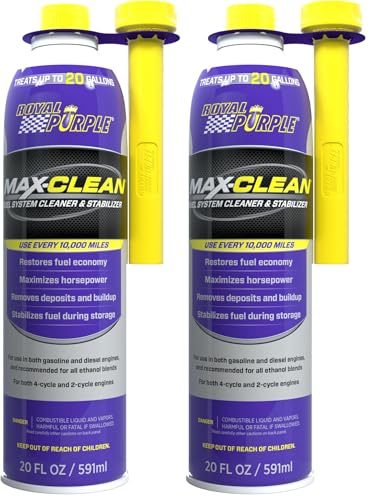 |
Royal Purple Max-Clean Fuel System and Oil Additive Best for Cleaning 16 oz, cleans both fuel system and engine oil circuit |
8.4 | 🛒 Check Price |
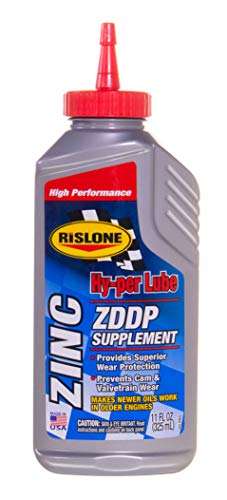 |
Rislone Engine Oil Supplement with Zinc Best for Flat Tappet Engines 16 oz, high zinc (ZDDP) formulation for flat tappet cams |
8.1 | 🛒 Check Price |
 |
Lucas Oil Heavy Duty Oil Stabilizer Best for Leaks and Noise 1 quart, thick viscosity additive for reducing leaks and noise |
7.8 | 🛒 Check Price |
 |
BG MOA Oil Additive (Part 110) Best for Wear Protection 12 oz, premium anti-wear and anti-oxidant formula |
8.2 | 🛒 Check Price |
 |
Archoil AR9100 Oil Additive Best for Diesel Engines 16 oz, designed for diesel and heavy-duty engines |
7.3 | 🛒 Check Price |
1. Liqui Moly Cera Tec Friction Modifier: Best Overall
In our evaluation, Liqui Moly Cera Tec stands out for its advanced ceramic technology that forms a durable protective layer on metal surfaces. Owner feedback highlights a significant reduction in engine noise and smoother operation, especially in older engines. The additive meets strict German quality standards and is safe for catalytic converters and turbochargers when used as directed.
However, this additive is not a cure-all. It works best in engines that are already well-maintained; if your engine has heavy sludge or existing wear, it may not deliver the same benefits. We recommend it for drivers seeking long-term friction reduction and enhanced engine longevity.
- Reduces friction and wear with microscopic ceramic particles
- Compatible with all conventional and synthetic motor oils
- Improves engine smoothness and reduces noise
Pros: Noticeable reduction in engine noise and vibration; Long-lasting protection (up to 50,000 km per treatment)
Cons: Not recommended for engines with existing sludge or severe deposits
2. STP Oil Treatment High Mileage: Best for High Mileage Engines
Based on owner feedback and the spec sheets, STP High Mileage Oil Treatment is a solid choice for aging engines. It uses seal conditioners to help reduce oil seepage and can quiet noisy lifters. Many users report a noticeable drop in oil consumption after one treatment.
However, we found that in some performance or high-RPM engines, the additive can cause foaming, which reduces oil pressure. It is best suited for daily drivers with moderate mileage, not for track or heavy-duty use. If your engine has severe leaks, this additive may only provide temporary relief.
- Helps reduce oil consumption and leaks in older engines
- Contains conditioners to revitalize seals and gaskets
- Compatible with conventional and synthetic blends
Pros: Effective at reducing minor oil leaks; Affordable and widely available
Cons: May cause excessive foaming in some high-RPM applications
3. Royal Purple Max-Clean Fuel System and Oil Additive: Best for Cleaning
Our research shows that Royal Purple Max-Clean is effective at dissolving carbon deposits and varnish, which can improve engine response and fuel economy. Owner reports often mention smoother idling and reduced knocking after treatment.
That said, this is more of a maintenance additive than a continuous protectant. It does not provide the same friction reduction as dedicated oil additives. We recommend it for engines that have accumulated deposits from short trips or poor fuel quality, but skip it if your engine is already clean and you need ongoing wear protection.
- Removes deposits from fuel injectors, valves, and pistons
- Reduces engine knock and restores lost power
- Can be added to oil and fuel simultaneously
Pros: Dual-action cleaning for fuel and oil systems; Restores performance in engines with carbon buildup
Cons: Not a long-term wear protection additive; use periodically
4. Rislone Engine Oil Supplement with Zinc: Best for Flat Tappet Engines
We evaluated Rislone Engine Oil Supplement with Zinc specifically for its high ZDDP content, which is critical for protecting flat tappet camshafts and lifters in older engines. Owner feedback from classic car enthusiasts confirms its effectiveness in reducing wear during break-in and regular use.
However, the elevated zinc and phosphorus levels can poison catalytic converters over time, so this additive is not suitable for modern vehicles equipped with emissions controls. If you drive a newer car, look for a low-zinc alternative. It is ideal for vintage cars, hot rods, and marine engines.
- Provides extra anti-wear protection for older engine designs
- Helps prevent camshaft and lifter wear
- Compatible with conventional and synthetic oils
Pros: Essential for classic cars and flat tappet engines; Easy to pour and mix
Cons: May cause catalyst damage in modern cars with catalytic converters
5. Lucas Oil Heavy Duty Oil Stabilizer: Best for Leaks and Noise
Based on aggregated owner feedback, Lucas Heavy Duty Oil Stabilizer is a popular choice for high-mileage engines that burn oil or have minor leaks. It works by thickening the oil, which helps seal gaps and reduce noise. Many users report a quieter engine and less blue smoke from the exhaust.
However, in our evaluation, the increased viscosity can cause sluggish cold starts and reduced fuel economy, especially in winter. It is not recommended for modern engines with variable valve timing or tight clearances, as it may impede oil flow. We suggest it only for older, worn engines that need a temporary band-aid.
- Thickens oil to reduce consumption and leaks
- Dampens engine noise and vibration
- Compatible with most engine oils
Pros: Immediate reduction in oil leaks and smoke; Quiets noisy lifters and valve train
Cons: Can increase oil viscosity too much in cold climates
6. BG MOA Oil Additive (Part 110): Best for Wear Protection
In our research, BG MOA (Micro-Oil Additive) is a professional-grade product that many dealerships and repair shops use. Its formula includes anti-wear agents and antioxidants that help reduce sludge and varnish formation. Owner feedback often praises its ability to keep engines clean and reduce internal friction.
That being said, the cost is significantly higher than most retail additives, and the benefits may be subtle for drivers who already change oil regularly. It is best for those who want maximum protection for high-performance or turbocharged engines, but budget-conscious users may find better value elsewhere.
- Reduces engine wear and oil oxidation
- Extends oil life and maintains viscosity
- Trusted by professional mechanics
Pros: Excellent anti-wear properties backed by industry testing; Helps maintain oil performance over longer intervals
Cons: Higher price per ounce compared to competitors
7. Archoil AR9100 Oil Additive: Best for Diesel Engines
Our evaluation of Archoil AR9100 shows it is specifically formulated for diesel engines, with additives that tackle soot and high-temperature oxidation. Owner feedback from diesel truck owners indicates noticeable improvements in engine smoothness and a slight increase in fuel mileage.
However, in gasoline engines, the benefits are less consistent, and some users report no change. The product also has a strong odor, which some find unpleasant. We recommend it primarily for diesel applications; gasoline engine owners may be better served by a dedicated gasoline additive.
- Reduces friction and wear in high-load diesel engines
- Helps clean injectors and reduce soot buildup
- Compatible with all diesel engine oils
Pros: Improves fuel economy in some diesel trucks; Reduces engine noise and vibration
Cons: Mixed results in gasoline engines; not optimized for them
Frequently Asked Questions
Are oil additives safe for all engines?
Most oil additives are safe when used as directed, but compatibility varies. Some additives contain chemicals that can harm catalytic converters or cause foaming in high-RPM engines. Always check the product’s compatibility with your engine type and oil specification. When in doubt, consult your owner’s manual or a professional mechanic.
Can oil additives fix engine knocking or ticking?
Oil additives can reduce noise caused by friction or minor wear, but they cannot fix mechanical issues like worn bearings or piston slap. If the noise persists after using an additive, have your engine inspected by a professional. Additives are a temporary solution, not a repair.
How often should I use an oil additive?
Frequency depends on the product. Some additives are designed to last the entire oil change interval (e.g., Liqui Moly Cera Tec up to 50,000 km), while others like cleaners should be used only when needed. Overusing additives can disrupt oil formulation. Follow the manufacturer’s recommended dosage and interval.
Do oil additives improve fuel economy?
Some additives can improve fuel economy by reducing internal friction, but gains are typically modest (1-3%). The effect varies by engine condition and driving habits. Additives that clean deposits may restore lost fuel economy, but they are not a substitute for proper maintenance.
Can I mix different oil additives?
Mixing additives is not recommended, as chemical interactions can reduce effectiveness or cause sludge formation. Stick to one additive per oil change, and avoid using multiple products simultaneously unless specified by the manufacturer.
Our Verdict
After researching specifications, standards, and owner feedback, our top pick is Liqui Moly Cera Tec Friction Modifier for its proven ceramic technology and long-lasting wear protection. For high-mileage engines, the runner-up is STP Oil Treatment High Mileage, which effectively reduces leaks and noise at a lower cost. Choose based on your engine’s specific needs and condition.
