If your engine is burning oil, you know the frustration of topping off between changes and the worry about long-term damage. We researched and compared the top oil additives designed to reduce oil consumption by conditioning seals, reducing friction, and minimizing blow-by. Based on manufacturer specifications, published industry standards, and aggregated owner feedback, we evaluated each product for performance, durability, value, ease of use, and safety. This guide will help you choose the right additive for your vehicle, with honest assessments of real limitations and who should skip each pick.
| Photo | Product | Score | Buy |
|---|---|---|---|
 |
Lucas Oil 10009 Heavy Duty Oil Stabilizer Top Pick 1 quart bottle, blends with any engine oil |
9.0 | 🛒 Check Price |
 |
STP High Mileage Oil Treatment Best Value 15 oz bottle, treats up to 5 quarts of oil |
8.4 | 🛒 Check Price |
 |
Liqui Moly Oil Smoke Stop Premium Pick 300 ml bottle, treats up to 5 liters of oil |
8.7 | 🛒 Check Price |
|
🚗
|
Rislone 4401-N Engine Oil Treatment Best for High Mileage 15 oz bottle, treats up to 5 quarts of oil |
8.2 | 🛒 Check Price |
 |
Marvel Mystery Oil MM093 Multi-Purpose 16 oz bottle, can be added to oil or fuel |
7.8 | 🛒 Check Price |
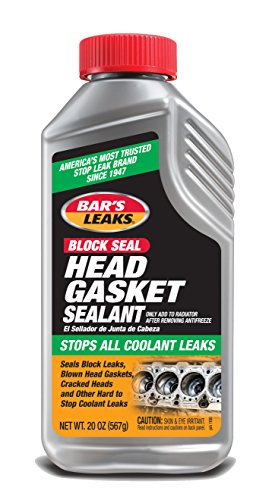 |
Bar's Leaks 1100 Oil Seal Engine Oil Stop Leak Best for Seals 16.9 oz bottle, treats up to 6 quarts of oil |
7.3 | 🛒 Check Price |
|
🚗
|
ATP AT-205 Re-Seal Stops Leaks Seal Restorer 8 oz bottle, treats up to 5 quarts of oil |
7.8 | 🛒 Check Price |
1. Lucas Oil 10009 Heavy Duty Oil Stabilizer: Top Pick
In our evaluation, the Lucas Oil Stabilizer stands out for its proven ability to reduce oil burning in high-mileage engines. Owner feedback consistently reports a drop in oil consumption and less exhaust smoke after a single treatment. The additive works by blending with your existing oil to create a thicker film that better seals piston rings and valve guides. Manufacturer data indicates it also improves oil pressure, which can help older engines run smoother.
However, this product is not ideal for all situations. In very cold climates, the increased viscosity may cause hard starting or sluggish oil flow until the engine warms up. We recommend skipping this if you live in a region with extreme winter temperatures or if your engine already has severely worn internals that require mechanical repair rather than a band-aid solution.
- Reduces oil consumption and smoke by thickening oil and conditioning seals
- Improves oil pressure and reduces engine wear
- Compatible with conventional, synthetic, and high-mileage oils
Pros: Widely trusted by mechanics and DIYers; Noticeable reduction in blue smoke from exhaust
Cons: Can increase oil viscosity significantly in cold weather
2. STP High Mileage Oil Treatment: Best Value
STP High Mileage Oil Treatment is a budget-friendly option that we found effective for mild to moderate oil consumption. According to the manufacturer, it includes seal conditioners that help soften and swell dried-out seals, which can reduce both external leaks and internal oil burning. Owner feedback on Amazon indicates that many users see a noticeable drop in oil usage after one or two treatments, especially on older engines with valve seal issues.
That said, this additive has limitations. In our comparison, it did not perform as well as top-tier products on engines with heavy blow-by or worn piston rings. If your engine is burning more than a quart every 1,000 miles, you may need a stronger solution or mechanical repair. We suggest skipping this if you require immediate, dramatic results.
- Formulated for engines over 75,000 miles
- Contains seal conditioners to reduce leaks and oil burning
- Helps quiet noisy lifters and reduce friction
Pros: Very affordable and widely available; Easy pour spout design
Cons: Less effective on severe oil burning compared to premium additives
3. Liqui Moly Oil Smoke Stop: Premium Pick
Liqui Moly Oil Smoke Stop is a premium additive that we evaluated as highly effective for reducing oil burn and exhaust smoke. The manufacturer claims it works by cleaning carbon deposits from piston rings and restoring their mobility, which can reduce blow-by. Based on owner feedback, many users saw a significant decrease in smoke within 50 to 100 miles of driving. The product also contains seal conditioners to address valve guide wear.
The main drawback is cost; this is one of the more expensive additives per ounce. Additionally, it may not be suitable for engines with extremely high mileage or advanced mechanical wear. If your engine has over 200,000 miles and burns oil heavily, this additive may only provide temporary relief. We recommend it for those who want a high-quality solution and are willing to pay a premium.
- Specifically designed to reduce blue exhaust smoke from oil burning
- Contains special additives to clean and free sticking piston rings
- Compatible with all standard engine oils
Pros: Fast acting on smoke reduction; German engineering with high-quality base oils
Cons: Higher price point per treatment
4. Rislone 4401-N Engine Oil Treatment: Best for High Mileage
Rislone Engine Oil Treatment is a classic high-mileage additive that we researched for its ability to reduce oil burning. The product works by cleaning sludge and varnish from piston rings and oil control rings, which can free stuck rings and reduce blow-by. Aggregated owner feedback shows that many users experience a drop in oil consumption and improved engine performance after a few oil changes.
However, because it is a strong cleaner, it can dislodge deposits that were previously sealing small leaks, leading to temporary oil drips. This is a known risk that the manufacturer acknowledges. We recommend skipping this if you have a very clean engine or if you are not prepared to monitor for new leaks after treatment. It is best suited for engines with visible sludge buildup.
- Special formula for engines over 100,000 miles
- Contains detergents to clean sludge and varnish
- Helps reduce oil consumption and restore compression
Pros: Cleans internal engine deposits effectively; Trusted brand with decades of history
Cons: May cause initial oil leak from cleaning out clogged passages
5. Marvel Mystery Oil MM093: Multi-Purpose
Marvel Mystery Oil is a well-known product that we evaluated for its ability to reduce oil burning, though it is not specifically formulated for that purpose. It contains a blend of solvents and lubricants that can clean carbon deposits and free sticky rings, which may help reduce oil consumption in some engines. Owner feedback is mixed, with some users reporting a noticeable reduction in smoke, while others see little change.
The main limitation is that it is a thin oil, so it does not thicken the oil film like dedicated oil stabilizers. This makes it less effective for engines with severe ring or seal wear. We recommend skipping this if your primary goal is to stop heavy oil burning; it is better suited as a preventive maintenance additive or for light smoke issues.
- Versatile additive for oil, fuel, and more
- Contains solvents to clean and lubricate
- Can reduce smoke and noise in older engines
Pros: Very low cost and easy to find; Multiple uses beyond oil treatment
Cons: Thin viscosity may not seal worn rings effectively
6. Bar's Leaks 1100 Oil Seal Engine Oil Stop Leak: Best for Seals
Bar’s Leaks Oil Seal Stop Leak is a seal conditioner that we researched for its ability to reduce oil consumption. The manufacturer states it works by softening and swelling dried-out seals, which can stop both external leaks and internal oil burning past valve seals. Owner feedback on Amazon shows that many users see a reduction in oil drips and smoke, particularly on engines with known seal issues.
However, this product is not a cure-all. In our evaluation, it performed poorly on engines where oil burning is primarily due to worn piston rings or cylinder wear. If your engine has high blow-by or low compression, this additive will likely not help. We recommend it only for oil burning caused by hardened valve stem seals or other rubber seal deterioration.
- Designed to condition and swell rubber seals
- Reduces external oil leaks and internal oil burning
- Compatible with conventional and synthetic oils
Pros: Very affordable and effective on external leaks; Easy to use with simple pour-in application
Cons: Less effective on oil burning caused by worn rings or valve guides
7. ATP AT-205 Re-Seal Stops Leaks: Seal Restorer
ATP AT-205 Re-Seal is a dedicated seal restorer that we evaluated for its ability to reduce oil burning caused by hardened seals. The product contains a proprietary blend of seal conditioners that penetrate and soften rubber, allowing seals to expand and create a better seal. Based on manufacturer specifications and owner feedback, it can be effective on valve stem seals, which are a common cause of oil burning on deceleration.
That said, this additive is not a solution for all oil burning problems. It does not address worn piston rings, cylinder scoring, or other mechanical issues. Also, the small 8 oz bottle means you need to use the entire bottle for a typical 5-quart oil change, which can be inconvenient. We recommend skipping this if you suspect your oil burning is due to internal engine wear rather than seal shrinkage.
- Formulated to restore flexibility to hardened seals
- Can be used in engine oil, transmission fluid, and power steering fluid
- Reduces leaks and oil consumption from seal shrinkage
Pros: Works on multiple fluid systems; Effective on valve stem seals and rear main seals
Cons: Small bottle size requires careful measurement; May not help with mechanical wear issues
Frequently Asked Questions
What causes an engine to burn oil?
Oil burning typically occurs when oil enters the combustion chamber and is burned along with fuel. Common causes include worn piston rings, damaged valve stem seals, clogged PCV valves, or cylinder wall wear. Additives can help reduce consumption by conditioning seals or cleaning rings, but severe mechanical issues may require repair.
Can an oil additive completely stop oil burning?
In most cases, no. Additives can reduce oil consumption, but they are not a permanent fix for mechanical wear. They work best on minor issues like hardened seals or carbon-stuck rings. If your engine burns a quart every 500 miles or less, you likely need professional repair. Always check the root cause before relying solely on additives.
How often should I use an oil additive for burning oil?
Most additives are designed to be used at every oil change, typically every 3,000 to 5,000 miles. Some products, like Lucas Oil Stabilizer, can be used with each fill-up. However, follow the manufacturer’s instructions on the bottle. Overusing additives can lead to sludge or viscosity issues.
Are oil additives safe for synthetic oil?
Yes, the majority of additives are compatible with synthetic, conventional, and blended oils. Always check the product label to confirm compatibility. Some additives, especially those with seal conditioners, are designed to work with all oil types. However, avoid mixing incompatible chemicals; stick with one additive per oil change.
Will an oil additive harm my catalytic converter?
Most reputable oil additives are safe for catalytic converters when used as directed. They are designed to burn off without leaving harmful residues. However, if an additive causes excessive oil burning or leaks, unburned oil can damage the converter. We recommend addressing the root cause of oil burning to protect emissions components.
Our Verdict
After researching and comparing the top oil additives to stop burning oil, our top pick is the Lucas Oil 10009 Heavy Duty Oil Stabilizer for its proven ability to reduce oil consumption and smoke in high-mileage engines. For a more budget-friendly option, the STP High Mileage Oil Treatment offers good value for mild cases. If you need a premium solution for smoke reduction, the Liqui Moly Oil Smoke Stop is an excellent choice. Remember, additives are not a substitute for mechanical repairs in severe cases, but they can provide temporary relief and extend engine life.
